
Germany taz
Tax estimate for 2027: Klingbeil doesn't want to know anything about reducing the electricity tax
According to the current tax estimate, over 4 billion euros more could be collected in 2027. The finance minister still wants to keep the money together. more...
Deutsch (original) ·Auto-translated to English
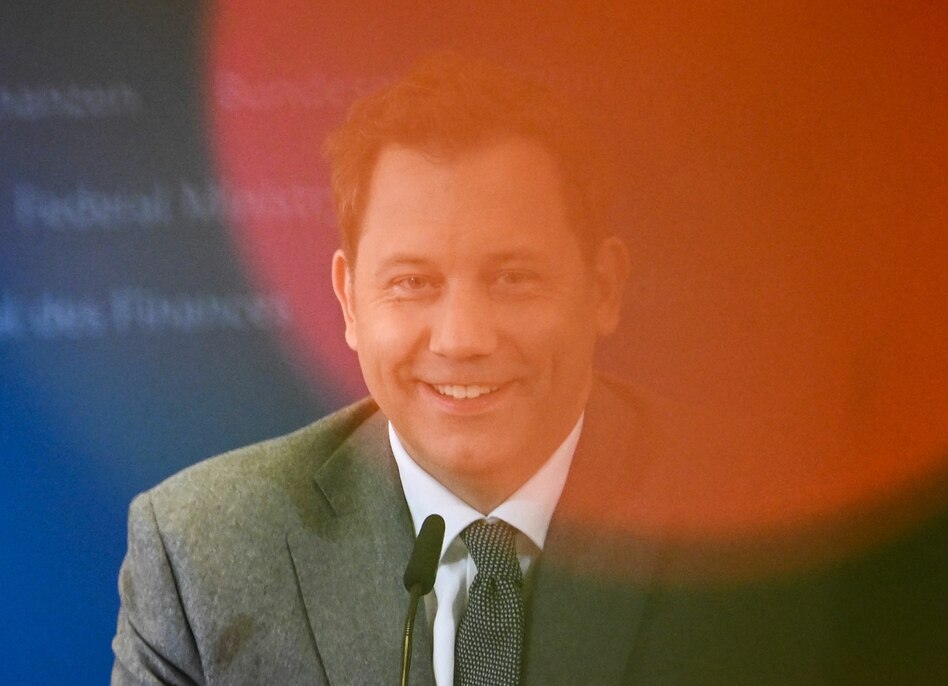
afp/dpa/taz | The federal government can expect higher tax revenues in the coming year. As the Federal Ministry of Finance announced on Thursday, the new tax estimate for 2027 assumes additional revenue of 4.1 billion euros. Federal Finance Minister Lars Klingbeil (SPD) sees “no new scope” in the budget.
The federal, state and local governments together are expected to collect a total of 10.9 billion euros more in taxes in 2027 than predicted in the tax estimate from spring. For the first time, tax revenues at all levels of government are expected to total more than one trillion euros next year.
According to the forecast, the federal states can expect additional tax revenue of 2.9 billion euros in the coming year, and the municipalities can expect 3.3 billion euros more. For the current year, federal tax estimators expect a loss of three billion euros compared to the estimate from May. States and municipalities can therefore expect a small increase of 100 million or 800 million euros in tax revenue in 2026.
Klingbeil explained that despite “international crises and uncertainties,” the state could expect “stable development” in tax revenues for 2026. “We have responded to these crises. And we are in a robust position,” said Klingbeil. For 2027, the state “will not gain any new leeway overall, but we will not have to close any new gaps either.” In addition, the government will have to “further consolidate” the federal budget in order to create room for maneuver for the future.
For the finance minister, this also means: no reduction in electricity tax for everyone. He is “also in favor of us trying to get energy prices down”. But he “cannot promise anything that cannot be kept in the end.” Anyone who now makes suggestions “such as reducing the electricity tax” should “at the same time also come up with suggestions on how to finance the whole thing,” said the SPD man. He is open to this, “but I haven’t heard these financing proposals yet.”
Klingbeil's currently most prominent party friend, Mecklenburg-Western Pomerania's Prime Minister Manuela Schwesig, is decidedly unimpressed by this. After a meeting of the heads of government of the federal states on Thursday, she again insisted on a reduction in electricity taxes for everyone and further relief in energy prices. "That was agreed upon when the federal government was formed. The states' common expectation is that this point will be implemented as quickly as possible," said the SPD politician.
The Prime Minister's Conference (MPK) had previously called on the coalition of the Union and the SPD to implement the relief measures “as quickly as possible”. “We are of the opinion that the federal government has this leeway,” said the MPK chairman, the Rhineland-Palatinate CDU Prime Minister Gordon Schnieder. Federal Finance Minister Klingbeil counters: “We continue to have considerable pressure to consolidate.”