
Germany · taz · · 2h
Start-up scene: Fresh capital for young gunsmiths
Deutsch (original) · Auto-translated to English
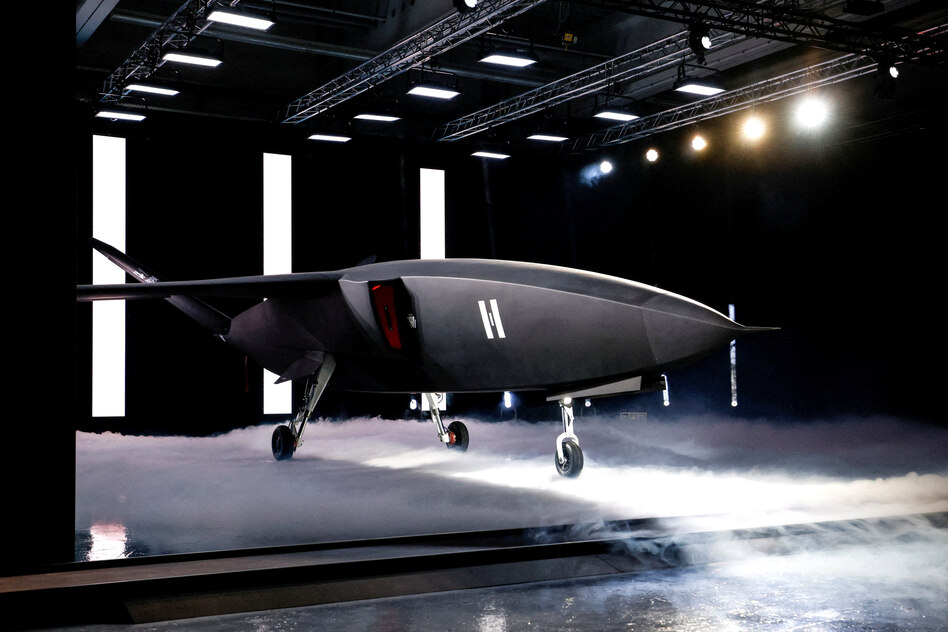
Helsing is a success story that Chancellor Friedrich Merz (CDU) would probably like to see more often. Only founded in 2021, the Munich-based drone manufacturer now employs over 1,000 people around the globe. The company is worth 16 billion euros. In July alone, Helsing was able to raise 1.6 billion euros in fresh capital. It was the largest financing round for a German start-up so far this year, according to the start-up monitor for 2026 published by the industry association on Monday. As a result, young defense companies in particular receive fresh capital from investors.
“By the end of September alone, 8 billion euros of venture capital had been invested, more than in the entire previous year,” says the start-up association’s CEO, Verena Pausda, happily in the foreword to the study. With 39 so-called unicorns, i.e. start-ups with a market value of over 1 billion euros, the country has reached a new record. According to the Start-up Monitor, ten such aspiring companies have been added since the beginning of the year alone.
The association currently has around 25,000 start-ups in Germany. He defines them as companies “that are no older than 10 years, bring innovative products and business models onto the market and have strong growth ambitions”. So the new restaurant around the corner is not one of them. And most start-ups are far from being unicorns. A third have no employees, another third only have up to 4 employees and only 4.3 percent have 50 employees or more.
Above all, the monitor shows where the fresh capital primarily flows. While eco-business is losing importance in the start-up sector, young defense companies in particular can look forward to fresh money. Of the 8 billion euros that the start-up industry has been able to collect so far this year, around 3 billion euros went to the death business. “Startups are playing an increasingly important role in European defense, especially in modern warfare with drones and AI-supported applications,” says the industry study.
The new arms companies also benefit from large orders from the federal government. In February, for example, the Bundestag's budget committee cleared the way for the purchase of combat drones from Helsing and Stark companies worth a total of 540 million euros. But the fact that the state is spending more money on weapons and incurring debt as a result is controversial among economists. A study by the University of Mannheim showed that the massive increase in defense spending is a “risky bet with low overall economic returns”.
Read the full story at the source
Source: taz