
Politics taz
Broadcasting in Slovenia: TV rescue from abroad
A vote on broadcasting fees shows the divide in Slovenia's society. But the right-wing populist government has to accept defeat. more...
Deutsch (original) ·Auto-translated to English
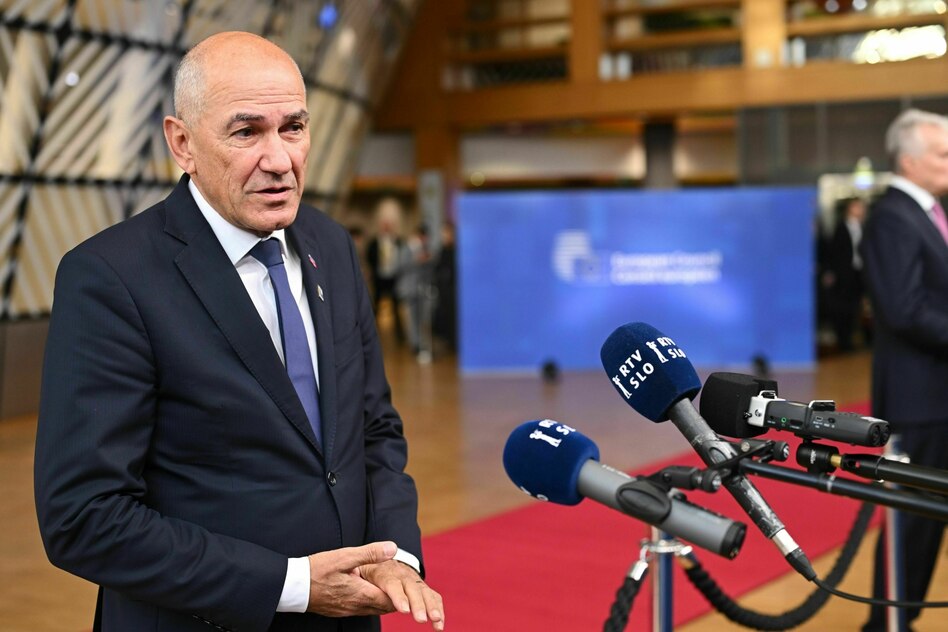
dpa/kna/taz | A narrow majority of Slovenians rejected the abolition of broadcasting fees for the public broadcaster RTVS in a referendum. The State Election Commission (DVK) announced this after all votes were counted on Monday. However, the vote itself had already taken place on October 11th. In the referendum, 51.1 percent of citizens voted against the right-wing conservative Prime Minister Janez Janša's proposal to abolish the broadcasting fee. Instead, there should be a different financing model - which Janša did not define further.
On the morning after the referendum, there was a narrow lead of 630 votes against abolition, i.e. for the ÖRR, many of which, according to media reports, came from the capital Ljubljana. According to the electoral commission, the lead grew to 2,633 after the votes cast abroad were counted. The referendum was not binding, and the Janša government has not yet submitted a corresponding legislative proposal.
Janša (68) became head of government for the fourth time in his career in May this year after the left-liberal coalition that had previously governed failed to gain a majority in the parliamentary elections in April. His reigns from 2004 to 2008, 2012 to 2013 and 2020 to 2022 were marked by efforts to undermine democracy and the rule of law. They were also overshadowed by corruption scandals and attacks on independent reporting media.
The CEO of the public broadcaster RTVS, Natalija Gorscak, welcomed the result even before the votes from abroad were counted. The day after the election, she said the fact that it was narrowly in favor despite such a populist discussion was a success. In 2025, RTVS generated almost 152 million euros, around 72 percent of which came from broadcasting fees.
The initiative to abolish broadcasting fees came from the controversial pro-Russian small party Resnica. Its leader Zoran Stevanović was elected speaker of parliament in the spring under the government of Prime Minister Janez Janša.
Opponents accuse right-wing populist Janša of taking a tough stance towards the media and civil society. Other questions in the referendum dealt with parliamentary commissions of inquiry, linking social assistance with charitable work and the right to vote for foreigners