
Germany taz
Rowohlt-Verlag draws conclusions: AI-written novel will not be published in German
There are massive AI allegations against Thélyson Orélien's novel “It was this or die”. Rowohlt stuck to the translation for a long time. But not anymore. more...
Deutsch (original) ·Auto-translated to English
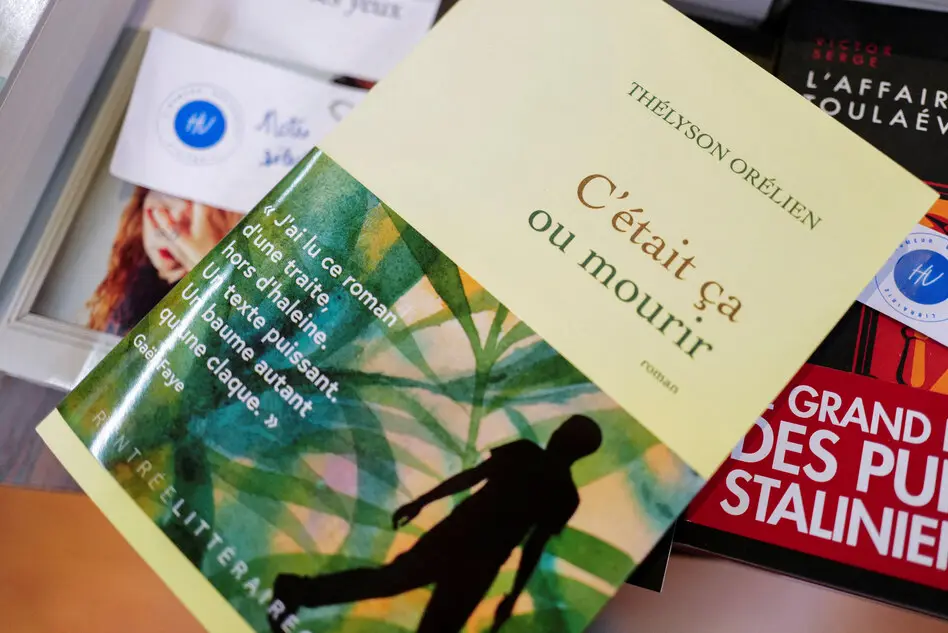
Rowohlt took some time to make the decision, but now it is official: Rowohlt Verlag will not publish Thélyson Orélien's novel “It was that or die,” which was planned to be published in the spring 2027 program, in a German translation. The publisher announced this in a press release on November 13th.
The publisher is thus drawing conclusions from a debate that has been dragging on for several weeks. After the novel – “It was that or die” should be the German title – was considered a candidate for the renowned French literary prize Prix Gancourt, AI allegations were made against it. The AI recognition tool Pangram came to the conclusion that 94 percent of the novel was of artificial origin.
The author Thélyson Orélien denied this, saying he only used AI as a tool. And his German translator Jürgen Ritte was surprised; he expressed doubts about the allegations. "Nonsense! AI can do an incredible amount, but AI can't write a book like that," he told the SZ - and was obviously wrong.
In any case, Rowohlt has now joined the allegations and points to new findings. The press release states:. Thélyson Orélien's "original Canadian publisher, Les Éditions du Boréal, announced at the end of October that a commissioned analysis and other recent information suggested that AI was used in the writing process, and had subsequently terminated its collaboration with Thélyson Orélien."
The press release continues: "The decision not to publish the German translation of Thélyson Orélien's novel 'It was that or die' was not an easy one for us. It is based in particular on our responsibility for the protection of artistic achievements as well as on our publishing self-image that literary writing remains tied to the author's own creative achievements and the undisclosed use of generative AI undermines this attribution."
However, Rowohlt expressly defends the author against the sometimes racist hostility that arose in connection with these allegations. The Rowohlt publisher Nicola Bartels condemns such attacks in the press release: “A clear line must be drawn between the factual debate and denunciatory, sometimes right-wing extremist and anonymous attacks that have lost all measure.”
She continues: "The question of how we deal with this and other cases in the age of AI will continue to concern the book industry. We are convinced that transparency about the use of such technologies in the creative process is a basic requirement for trusting cooperation between authors and publishers and is therefore unchangeable."