
World · taz · · 1h
Repression in Iran: Riding the Wave of War
Deutsch (original) · Auto-translated to English
More than six months have passed since the start of the conflict between Iran and the United States - a war that many expected would end with the fall of the Iranian regime within days. But a ceasefire agreed in June has long since failed, the fighting is escalating again - and with it the situation of political prisoners is deteriorating.
A former political prisoner who lives in Iran and is called Amir here explains to the taz: "The war has had a direct impact on the number of new arrivals in the prisons. Today alone there were four new political prisoners in Mashhad prison whose cases are directly related to the war."
According to Amir, these people were arrested for minor reasons, such as sharing Instagram stories about war. “These people have been denied any contact with the outside world for months and their cases are not processed.”
Once, during the Iran-Iraq war in the 1980s, Ruhollah Khomeini, the regime's first supreme leader, declared: "The war is a blessing." Many opposition forces interpreted this sentence as evidence that war serves as an instrument to suppress internal critics. Is the regime in Iran now benefiting from this “blessing” again?
The regime's pressure on the population of Iran has actually increased dramatically. The repression primarily affects political prisoners and critics of the regime. Human rights organizations report new arrests every day. The imposition of long prison sentences and death sentences has increased noticeably, while the everyday living conditions of political prisoners have continued to deteriorate.
Ahmad-Reza Radan, commander of Iran's police forces, announced on April 17 that 6,500 Iranian citizens had been arrested in three months of war. He described these people as “traitors and spies”.
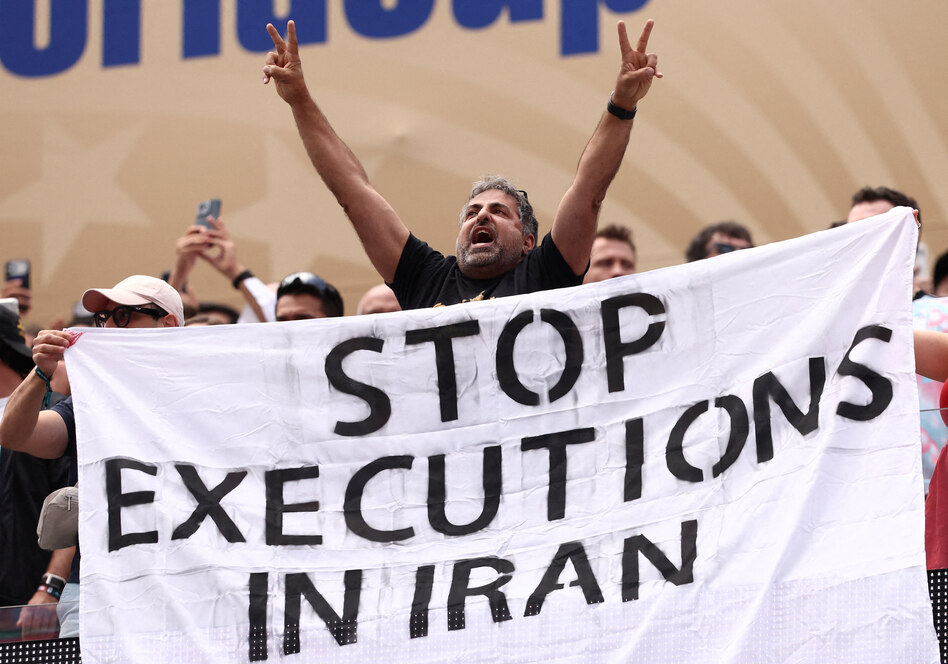
According to the Iran-based organization Iran Human Rights, 532 people had been executed in Iran in 2026 alone by the end of August, including 71 people on charges related to national security. The organization attributed this development directly to the outbreak of war and spoke of the “most serious wave of executions for political and security reasons in the last three decades”.
The regime in Iran has always tried to use the execution of prisoners as a means of spreading fear and terror among the population, especially among political prisoners. The wave of executions skyrocketed with the start of the “Women, Life, Freedom” movement four years ago and continued until the protests in early 2026. But the war has now led to a massive increase in the number of executions.
Esmail Abdi, former political prisoner and union activist in the teachers' movement, tells the taz: "Reports document contact bans with families, transfers to unknown locations, denial of medical care, restrictions on visiting rights and an intensification of repressive pressure. At the same time, arbitrary arrests, unfair trials and the imposition and enforcement of harsh punishments - including the death penalty - have increased massively."
Amir, who was imprisoned before the war began, reports on the direct consequences of the conflict on everyday prison life. Since the start of the war, court proceedings have been delayed while political prisoners have come under increasing pressure. Fellow prisoners increasingly blame them for the war and their own problems.
In addition, prison conditions have become even worse: after the attack on Evin Prison, many staff stayed away from work out of fear, medical care became more difficult and food prices rose. In Ghezelhesar, prisoners are only allowed to talk to their families on the phone for a few minutes a week. Critical statements can lead to the withdrawal of telephone rights or solitary confinement.
While conditions for political prisoners in Iran are deteriorating day by day in the shadow of war, the Iranian regime is showing inexcusable harshness in its repression of political prisoners. At the same time, the USA and Israel have yet to reveal any plan on how to end this war. Against this background, it is feared that Iranian citizens will face even more arrests, harsher sentences and further executions on charges of “treason and espionage”.
Read the full story at the source
Source: taz