
Germany · taz · · 2h
Presidential election in Kosovo: At the last minute
Deutsch (original) · Auto-translated to English
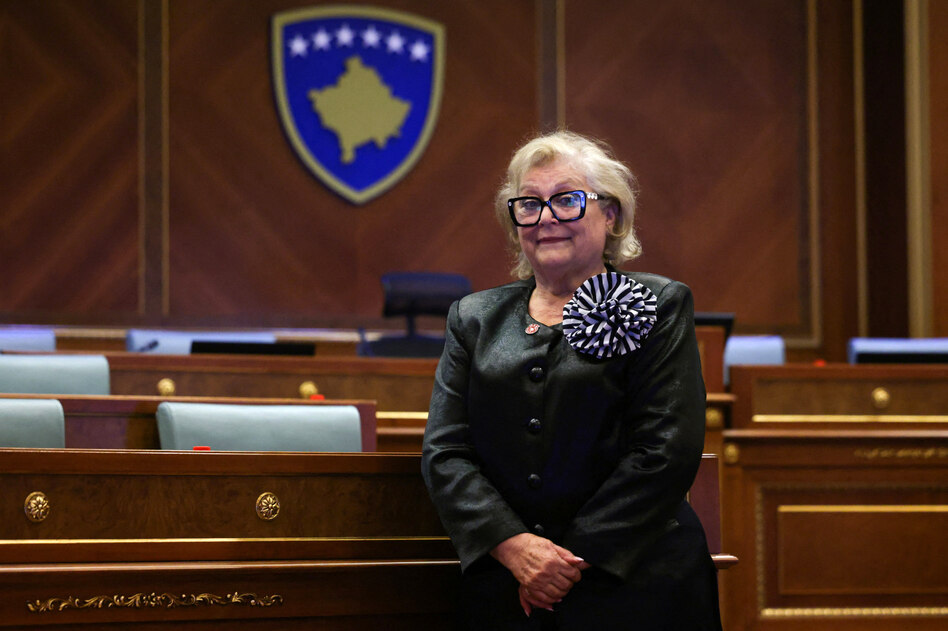
That was just a short time ago: the parliament in Kosovo elected a new head of state around midnight on Wednesday night, shortly before the end of a constitutionally prescribed deadline. 81 of the 120 MPs voted for Justina Shiroka Pula in the first round of voting, meaning the 72-year-old received one more vote than necessary. If the decision had not been made, there would have been new elections, which would have meant further political instability.
"This mandate does not belong to a single person. It belongs to our citizens, our institutions and the state for which so many generations have sacrificed," Shiroka Pula said in a speech to parliament after her swearing-in. The term of office for the post is five years.
Since last year she has been president of the Academy of Sciences of Kosovo. From 2008 to 2011, she held the post of Minister for Energy and Mines in the government of the former leader of the paramilitary Kosovo Liberation Army (KLA) and later Kosovo President, Hashim Thaçi.
From 2011 to 2014 she sat in parliament for the liberal opposition party PDK. Shiroka Pula was proposed as a candidate by Prime Minister Albin Kurti from the Vetëvendosje party just a few hours before the vote.
The presidential election was preceded by another vote in parliament on Tuesday. After a second reading, 88 MPs voted for changes to the law on the Kosovo Special Tribunal in The Hague. The court began its work between 2016 and 2017.
Its founding, which was the result of international pressure, goes back to a report by the Council of Europe under the leadership of the Swiss special rapporteur Dick Marty. In it, leading members of the KLA - including Hashim Thaçi - were accused of serious war crimes, political murders, torture, disappearances and illegal organ trafficking - the latter allegations, however, were never clearly proven.
The changes to the law that have now been passed severely restrict the jurisdiction of the court. Prison sentences are limited to 15 years. These must be served in Kosovo; a pardon by the head of state for people who have been legally convicted is possible.
In addition, the law limits the period covered by the court to July 1, 1999 to December 31, 2000 and limits jurisdiction to crimes directly related to suspected organ trafficking in places of detention identified in the Council of Europe report.
The chairman of the PDK, Bedri Hamza, had made the previous vote on the changes to the law a condition for his participation in the election of the head of state. Prime Minister Kurti had initially insisted on a reverse order, but eventually gave in.
The vote was accompanied by applause from protesters in front of the parliament in Pristina. There is a good reason for the special interest in the special court: on September 16, the judges sentenced Hashim Thaçi to 25 years in prison for war crimes such as arbitrary detention, torture, cruel treatment and murder. Three other former KLA commanders received prison sentences of between 13 and 25 years.
The verdicts triggered protests in Kosovo, some of which erupted in violent clashes with police forces. Last Monday, some participants in the rally threw bottles and pyrotechnics at police officers. They responded with tear gas and water cannons to disperse the angry crowd. According to police, six police officers and eleven demonstrators were injured and three of them were arrested.
It is currently unclear whether the changes to the law will actually come into force. Legal experts point out that Kosovo must comply with its international obligations and the changes could be subject to constitutional review.
Read the full story at the source
Source: taz