
Germany · taz · 2h
Fisheries problem: Only a fraction of the seas are effectively protected
Deutsch (original) · Auto-translated to English
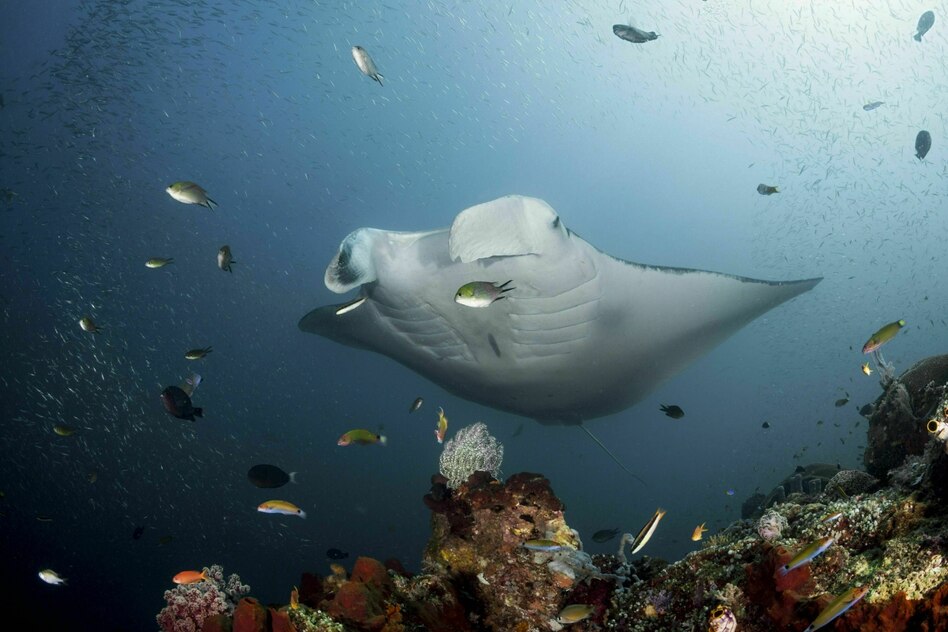
According to the UN's Protected Planet Report, around 28 million square kilometers of ocean are officially protected worldwide - an area about three times the size of Europe. Populations of fish, corals, molluscs and other marine life should be able to recover here. Biological diversity is particularly high in and on reefs - and at the same time particularly threatened by climate change. But the protected areas are not always effective in protecting the colorful wildlife and the ecosystem behind them.
This is the result of a study by the University of Tasmania, which will be published on Monday evening. She has studied the number and size of fish in around 500 marine protected areas in shallow reefs and reports them in a value as “biomass”. Effective protection is achieved when this biomass is at least twice as high as in a scenario in which the area would not be protected.
The result of the comparison: A maximum of 23 percent of the current protected areas in shallow reefs provide effective protection. Fishing in particular reduces biomass there. It's not just reefs that are affected. Extrapolated across all marine ecosystems, according to the University of Tasmania study, only 2 percent of the world's oceans are effectively protected.
In marine protected areas, human activities are restricted to protect nature and ecosystems. Seas are considered worthy of protection because they store heat and carbon and are home to a huge diversity of species. In addition, many marine areas are important for tourism and fishing. However, the specific measures implemented in protected areas vary - fishing is not always prohibited. According to the Marine Protection Atlas, only 1.7 percent of the ocean area is fully protected - about a fifth of the areas declared as protected.
“Against the background of political processes currently underway at EU and national level to implement the EU biodiversity strategy and the restoration regulation, the study addresses an extremely relevant topic with the effectiveness of existing protected areas,” says Gerd Kraus, director of the Thünen Institute for Sea Fisheries in Bremerhaven. “Using the example of the global network of protected areas for reefs in shallow marine areas, it is shown that just looking at the protected area and the formal protective measures taken is not suitable to describe their success,” says Kraus.
The success of protection is measured by the quality of marine protection, says Christian Wild, marine biologist at the University of Bremen, to the Science Media Center. “The results of this study confirm other studies that show that effective marine protection can be achieved primarily through control and compliance with protection with strong user involvement.”
The signatory states to the Convention on Biological Diversity agreed in 2022 to protect 30 percent of marine areas by 2030. At the upcoming biodiversity conference at the end of October, the contracting states will discuss the implementation of the goal.
According to Wild, we need to look beyond the mere designation of more sea area: “Our main task is to conceptualize the protection of the seas in such a way that control and compliance with protection are improved as a high priority,” says the marine biologist.
Read the full story at the source →
Source: taz