
Germany · taz · · 52m
Philosopher Ernst Bloch: Socialism needs utopia
Deutsch (original) · Auto-translated to English
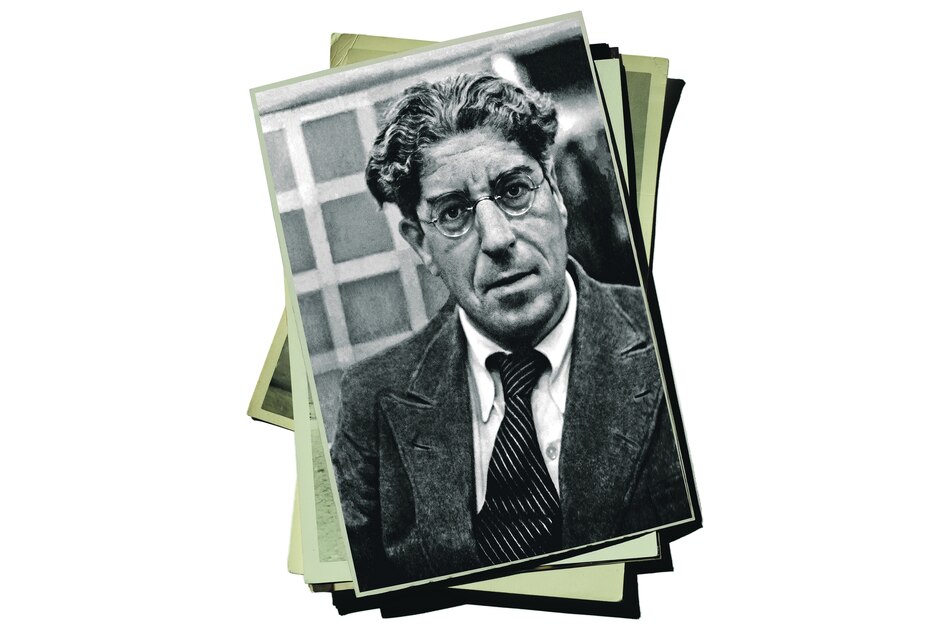
The Nazis spoke “deceptively, but to people, the communists spoke completely truthfully, but about things.” This sentence comes from the German philosopher Ernst Bloch, written during the Weimar Republic. At that time, Bloch lived with other artists and cultural workers in the “artists' colony” in the southwest of Berlin. According to today's Künstlerkolonie e. V., three quarters of them were unemployed during the global economic crisis in 1929. You could smell, remembers the writer Gustav Regler, “where someone had been working and there was some cheese and bacon to be found.”
Like many of the other residents, Bloch was close to the communists. That was precisely why her cold language annoyed him. He accused them of leaving topics such as hope, myths and the desire for community to the Nazis. The German Communist Party, for example, is good at arithmetic – rate of profit, capital accumulation – but what is missing is its own narrative. Bloch attested that the Weimar left had a “malnutrition of socialist imagination”.
Bloch was convinced that the idea that other conditions were possible was inherently in people's minds. At least as long as they aren't hungry. This basic idea also runs through his book “The Principle of Hope,” which he wrote in exile from 1938 onwards. In it he writes about daydreams, utopias and fairy tales and introduces the term “utopian function”: it is the point at which longings and dreams are refined into a concrete hope.
The big question of today is: Now that fascism is getting stronger, does it release the utopian function for the left, or does it kill it off?
In fact, the right's continued triumph may have transformed the desire for a better world into a concrete left-wing hope. At least that's how the result of the Berlin election could be read. The socialization of large real estate groups, which indispensably redistribute upwards through rental agreements, as a left-wing package of hope in the spirit of Bloch.
In 2021, 58 percent of voters voted for socialization. The referendum reflects the political hope of more than a million Berliners. But this hope was politically passed on for five years, perhaps with the aim of destroying it. Nevertheless, voters this September gave the government mandate to the party that positioned itself most clearly in favor of socialization.
Bloch never considered the Nazis to be an industrial accident in history. He recognized how they were better able than the communists to take advantage of crisis-ridden capitalism. How they managed to mobilize the longings and wishes of the youth, the farmers, the petty bourgeoisie and the impoverished middle class with their catchy, inciting language.
What would Bloch wish for today? Probably to counter the fascist visions of the present with something even more tempting: a lavish diet of socialist fantasy, for example.
Read the full story at the source
Source: taz