
Germany · taz · · 32m
“Nesterval’s Eldorado” in Sophiensälen: Follow the Nameless
Deutsch (original) · Auto-translated to English
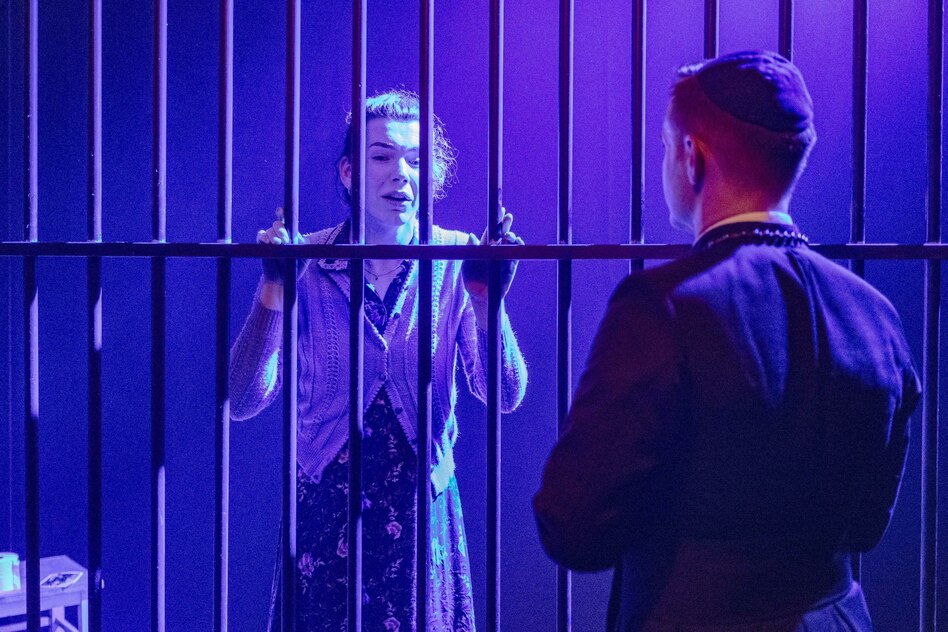
It all begins in the cozy company canteen of the Nestervalsche Porcelain Works, which has recently been moved to the ground floor of the Sophiensäle. Doilies and flowers decorate the small tables. The light is dim. The mood is lively and pretty wicked. Ok, an imperial eagle has been smuggled into the company coat of arms. But isn't the self-confessed lesbian Claire Waldoff (Felizitas Navidad) singing on the small vaudeville stage about the men who should get out of the imperial and state parliaments? Enthusiastic applause for the song, once composed by the composer Frierich Hollaender, who had already emigrated.
We are in 1934. The self-proclaimed leader and his brown movement have been ruling the country for a year. Communists and socialists are beaten up in the SA torture cellars. The first barracks of the concentration camps have already been built and occupied. But the bohemians continue to celebrate. You know the pattern.
After the start in the canteen, the audience is divided. Small groups follow a total of 20 characters, whose stories are composed of biographical fragments of real people. The highlight of Nesterval is that you are gently introduced to the lives and emotional worlds of these characters. You immerse yourself in their stream of thoughts as they monologue as if they have forgotten themselves, like the secretary of the police commissioner (Sabrina Strehl), who seems to have been copied from “Babylon Berlin”.
But here she works for a boss who enthusiastically hunts down gay men in order to send them either to castration or to a concentration camp. Often both. And in between, he tortures and humiliates her with fervor. The visitors are also present like shadows during these interrogations. If you have enough of the authorities, you can follow the so-called nameless ones. K. (Géraldine Schabraque), for example, born as Heinrich, now living as a woman, and probably only comes to life in the clandestine parties at night in the Nesterval company canteen. Things were still going strong up until the late 1930s.
The group around director Martin Finland and author Teresa Löfberg did careful research. It adds some surprising nuances to the black and white, either/or, superficial images of history. Above all, she creates characters full of life and full of contradictions. W. (Willy Mutzenpachner), for example, doesn't just enjoy parties. Even in the darkest moments he can still think about pleasure. Long since castrated, with his own consent and in a desperate attempt to reduce a prison sentence for Section 175, he remembers with delight the handsome SA man with whom he once hung out in dark corners. Incidentally, W.'s sentence was not reduced, a small detail of a bestial system of oppression and subjugation.
In the end, this will drag everyone into the abyss. The closer the loudspeaker voice gets to 1945, the larger the pile of clothes in the middle of the room labyrinth becomes. Every character who dies gives away a piece of clothing - and shortly afterwards transforms into a masked figure in a uniform. Soon there are hardly any people left, just zombies. And the many rooms into which the characters were previously accompanied, their apartments, the library, the clothing store are devastated.
The production makes great history and individual destinies tangible in a very touching way and weaves them into a dark dream in which you don't know whether it is just beginning to repeat itself outside, beyond the dreaming and the theater.
Read the full story at the source
Source: taz