
Germany taz
Nature conservation summit in Yerevan: After the tunnel, another world
The country's first biosphere reserve is being created in Armenia. In the capital, the negotiations at the nature conservation conference are entering the hot phase. more...
Deutsch (original) ·Auto-translated to English
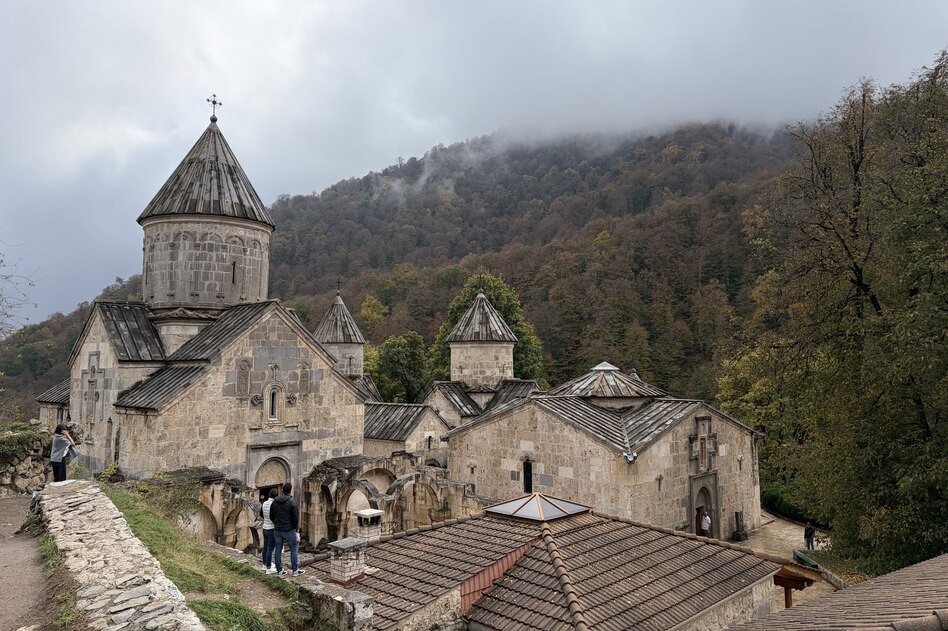
The world changes after a highway tunnel. Anyone driving north from the Armenian capital Yerevan will drive through sandy flatland with mountains on the horizon. It looks dry, as if the previous day's rain was a long time ago. After about 100 kilometers, after the tunnel: countless oak and beech forests, autumnal green, red and yellow.
Directly after the tunnel, a UNESCO biosphere reserve is set to begin in Dilijan in two years. 116,000 hectares, which is about one and a half times the area of Berlin. The Michael Succow Foundation is supporting the project; it is intended to become the first biosphere reserve in Armenia. The Greifswald-based foundation has already opened two UNESCO biosphere reserves in the neighboring South Caucasus country of Georgia. Now Armenia, in line with the UN World Nature Conference in Yerevan.
The Soviets had already recognized the value of Dilijan. In the 70s, the region was a popular spa and cultural resort, with a cinema, concert hall and spa resort. After the collapse of the Soviet Union, there was an economic crisis in Armenia in the 1990s. Out of desperation, some began to plunder the forest in Dilijan. They heated with wood from the forest and hunted the Caucasian red deer to get food. It became an endangered species in Armenia. In 2002, the Armenian government established a national park in Dilijan. Since then, hunting is no longer allowed and less wood is cut.
Since 2018, the WWF has had a reintroduction program for the Caucasian red deer: a large enclosure in the middle of the forest. 24 animals have been released back into the wild in the past eight years. Nika Malazonia from the Succow Foundation came up with the idea for the biosphere reserve together with an Armenian partner. The foundation supports it with 300,000 euros. A comparably small project, says Malzonia. They examined seven regions in Armenia and found the best conditions in Dilijan. After all, there is already a national park here.
Now the biosphere reserve is to be located over the national park and will then make up a third of the reserve. Malazonia is helping Armenians prepare everything so that UNESCO recognizes the area as such in 2028. Not only nature would benefit from this, says project manager Malazonia. If the area were to receive the UNESCO stamp, it would further boost tourism.
According to UNESCO standards, the biosphere reserve is divided into three zones: In the middle is the core zone, in which the deer are already found. Here the requirements are the strictest; people are only allowed to intervene minimally. Around the core zone is the buffer zone, which is intended to protect the core zone. In the development zone, the third and, as a rule, largest zone, people can, according to the idea, manage sustainably: with agriculture or tourism, art or culture.
When driving through Dilijan you can already see the tourism: modern wooden huts with large windows, hidden in the forest. There are 24 hiking trails near the red deer enclosure. More and more hotels are being built in the national park: online websites advertise Dilijan as the “Armenian Switzerland”.