
Politics taz
After the Knesset election in Israel: what happens next?
Votes are being counted in Israel. The timetable for forming a government is regulated by strict constitutional deadlines. An overview of the next steps. more...
Deutsch (original) ·Auto-translated to English
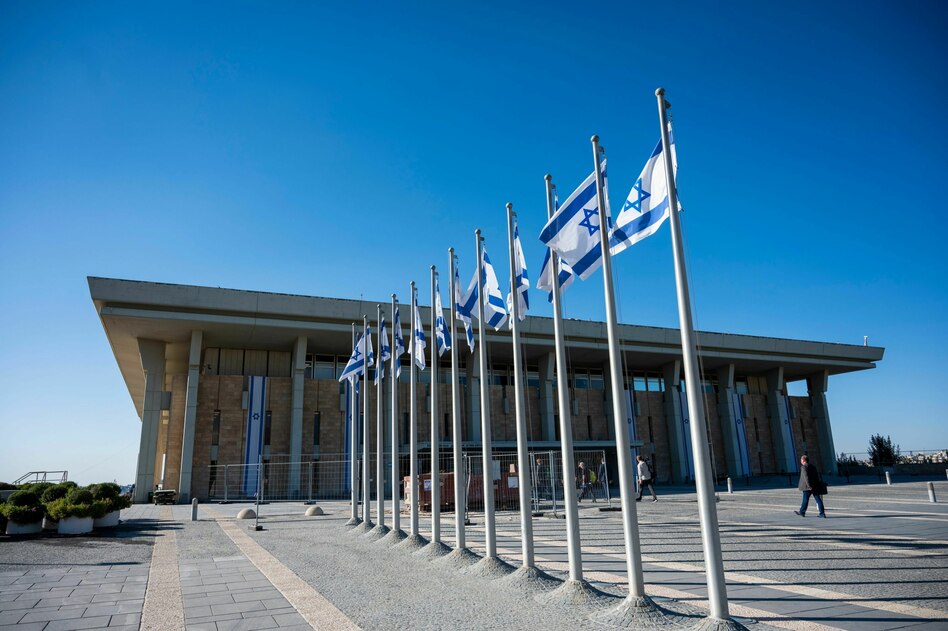
dpa | In Israel, the Central Election Commission continues counting votes for the 120 seats in the Knesset after the parliamentary election. According to preliminary projections, it appears that Prime Minister Benjamin Netanyahu's right-wing conservative Likud party will emerge from the vote as the strongest force. The preliminary final result is expected on Thursday.
By November 4, 2026: The official final result must be published no later than eight days after the election.
By November 10, 2026: The newly elected parliament is constituted.
Until November 11, 2026: Within seven days of publication of the final result, President Izchak Herzog appoints a member of parliament to form a government. As a rule, it is the politician who is given the best chance. That will probably be Likud leader Benjamin Netanyahu or the main opposition candidate Gadi Eisenkot.
28 days plus a maximum of 14 days extension: The first attempt to form a government would have to be completed by the end of November. President Herzog will decide whether there will be another 14-day extension. This deadline would then expire in mid-December at the latest.
Another 28 days: If the first attempt fails, the second candidate gets the job. An extension is not an option.
Last option: At least 61 MPs must propose a candidate within 21 days. This must then form a government within 14 days.
New elections within 90 days: If all three stages do not lead to a governing coalition with a majority, parliament will automatically dissolve. In this case, new elections will take place within 90 days. These would then be due by mid-April 2027 at the latest. Until then, incumbent Prime Minister Netanyahu will remain at the head of a transitional government.