
Germany · taz · · 1d
Music magazine Pitchfork: From the purchase decision to survival aid
Deutsch (original) · Auto-translated to English
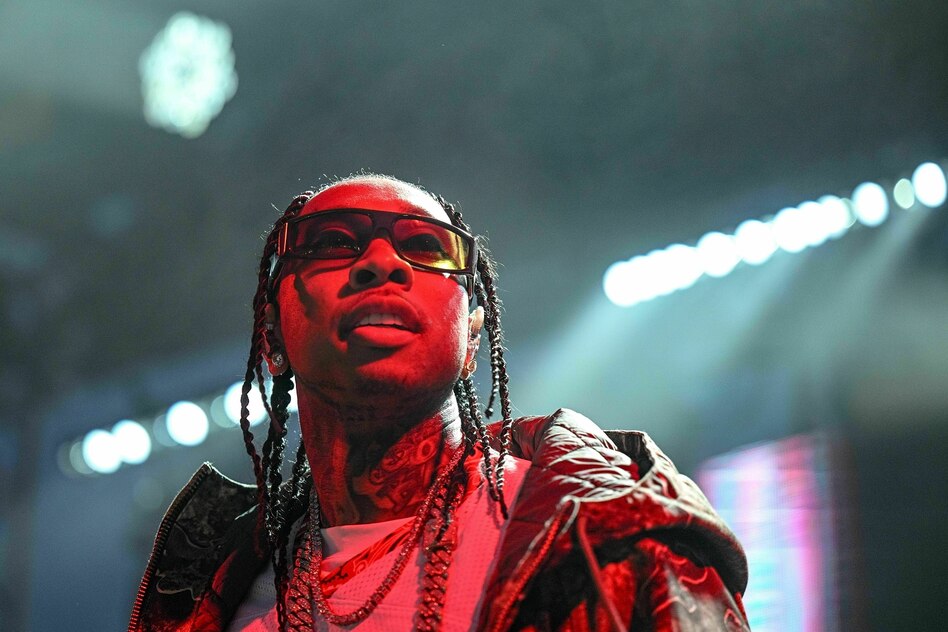
On August 12th, after almost 20 years, the time had come again: The US internet magazine Pitchfork once again gave it 0.0 out of a possible 10.0 points - the last time this was in October 2006 was for “Shine On” by the Australian rock band Jet. This time it hit rapper Tyga's probably pretty failed and crazy 80s pop album “Starface”.
While the poor Jets only had a video of a chimpanzee urinating in its mouth instead of a review text, Drew Millard wrote a detailed explanation for “Shine On” in which he primarily accuses Tyga of the uncreative use of AI and comes to the conclusion that the mere existence of the album “makes the world a worse place”.
Last December I wrote here about the classification of the AI tool under the heading "Just let them do it": "Since music became an industry in which a lot of money can be made, - sorry - shitty music has been the norm and art has been the deviation. Whether this shitty music is produced by humans or AIs doesn't really matter." Taz reader Jack G didn't care, he described the text as "absolute impudence": "Musicians, songwriters, producers and engineers gave blood, time and nerves for every work and therefore deserved at least some basic respect." So no more rips.
Actually, music criticism is a thing that shouldn't be, to borrow a phrase from H. P. Lovecraft: it is paid for by the music industry - via product advertising - but thwarts their interests by negatively evaluating individual products. Among my peers, the complaint about the decline or disappearance of music criticism has now replaced the complaint about the decline or disappearance of pop music as a lamentable topic.
This of course includes selective forgetting, otherwise we would still know that not every criticism in the Roaring Eighties was written by Julie Burchill, Greg Tate or Clara Drechsler. Even back then, the overwhelming majority was less a feature article than a “service”: on the one hand PR, on the other hand purchase decision support for interested readers, which of course couldn’t be done without corruption and lazy compromises.
And just like the interesting music, the interesting lyrics didn't come from where you could make good money, but from the self-exploitation underground.
“Will music criticism survive?” embedded.com asked established US music critics in the summer. Those primarily affected by the supposed crisis can't think of much. “I can still make a living doing it, which is the only thing that interests me in a job,” reports Robert Christgau, “dean of American rock critics.” An “author and editor, currently in a tech job,” who did not want to be named, hopes: “Criticism could be just the right product for this time of cultural panic.” And Pitchfork columnist Kieran Press-Reynolds remains calm: "Music criticism in video is booming, there's a lot of review substacks and a new generation. The question remains how many people will pay." Things change, things move on. Almost too comforting.
Read the full story at the source
Source: taz