
Politics taz
Minority government in the Netherlands: Better a restart than new elections
A dispute over tax reform had shaken the Dutch government of Prime Minister Rob Jetten. A break was averted – for now. more...
Deutsch (original) ·Auto-translated to English
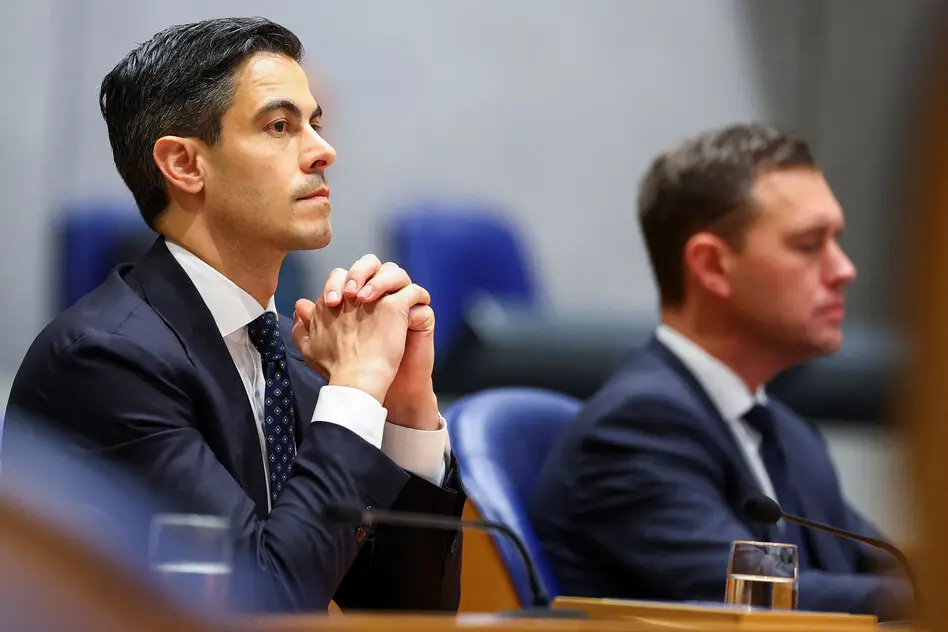
dpa | In the Netherlands, a break in the government has been averted for the time being. After more than seven hours of crisis talks, the partners of left-liberal Prime Minister Rob Jetten's minority coalition agreed that they wanted to try a fresh start. However, it is still unclear what the collaboration will look like in the future. The talks are scheduled to continue this weekend.
It was a difficult situation, said Jetten. He spoke of difficult relationships. “It has to get better – in terms of content, politically and personally.” The coalition consists of the left-liberal D66, the right-liberal VVD and the Christian Democratic CDA.
VVD politicians had previously declared: “The coalition no longer exists in its current form.”
Jetten had negotiated with the party leaders of his coalition partners and campaigned for a new beginning. Representatives of his D66 party and the Christian Democrats also want to prevent a break.
After a heated dispute over tax reform and the introduction of a “millionaires’ tax,” the right-wing liberal VVD threatened to leave the coalition. A break seemed inevitable after parliament passed the reform late on Thursday evening with the votes of the other two coalition partners. The government has only been in office for almost nine months and does not have a majority in either chamber of parliament.
The D66 and the CDA had previously agreed with the red-green opposition party Pro on the introduction of a special tax that very wealthy residents would have to pay. For the VVD this was a violation of the coalition agreement.
Since the government took office, the three-party alliance has been dominated by a dispute over direction. The VVD wants to achieve majorities with radical right-wing parties and strictly rejects cooperation with the red-green opposition party Pro. On the other hand, the other two partners are looking for compromises with Pro.
It would hardly be possible to form a new government with a majority following a break in the coalition. Parliament is fragmented and now has 17 political groups. Radical and extreme right-wing parties hold almost a third of the seats. Most parties reject new elections because they fear another long period of deadlock. In just under five years, three governments had collapsed prematurely.