
Germany taz
Media in Austria: 101 million euros for newspapers in crisis
A three-digit million euro amount is intended to help Austrian media. This is a success for Media Minister Andreas Babler. more...
Deutsch (original) ·Auto-translated to English
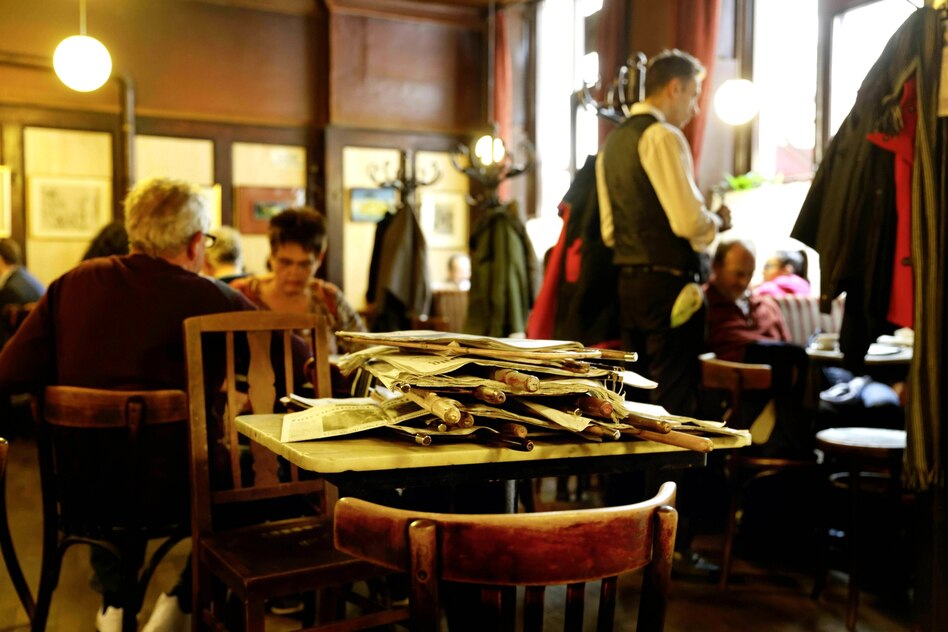
The Austrian government has agreed on a media package that is intended to give the crisis-ridden industry some breathing room. New funding for home delivery of newspapers and an increased fund for digital transformation are planned. 50.5 million euros are earmarked for both in 2027 and 2028.
The fund should also make it easier for smaller and non-commercial media to obtain funding. In addition, the EU directive against SLAPPs, i.e. abusive lawsuits that specifically intimidate media professionals, should finally be implemented. An independent contact point should also help affected journalists by providing them with legal advice.
The package comes from Vice Chancellor Andreas Babler (SPÖ), who as minister is responsible for media in addition to housing and culture. Because he has massively reduced the lavish government advertisements and wants to promote quality rather than circulation in the future, the tabloids waged a months-long campaign against him. The pressure from his own party also grew, which is why he is gradually giving up the party chairmanship and vice-chancellorship. But he wants to remain media minister.
Babler can now claim success with the package. Until recently, the conservative Chancellor's party ÖVP also wanted to include the free newspapers Aktuell and oe24 in the delivery funding, even though they are not delivered but rather distributed via distribution boxes. Babler opposed it and ultimately prevailed.
Nowhere else in Europe do people read as many newspapers as in Austria. According to the Reuters Digital News Report 2026, 33 percent use printed newspapers and magazines as a news source, compared to only 17 percent in Germany. At the same time, delivery in rural areas is becoming increasingly difficult and expensive. According to the SPÖ, whether someone receives reliable information should not depend on where they live. It is not a given that there will be additional money despite the austerity measures, but it is necessary in view of Big Tech and disinformation.
The crisis in the industry is deep. According to media scientist Andy Kaltenbrunner, around a third of journalistic jobs in Austria have disappeared in 20 years. The newspaper Die Presse recently reported the dismissal of 16 employees, following massive staff cuts a year ago. The courier also recently let go of employees after dozens had to leave in previous years.
In addition, the state is withdrawing as an advertiser. In the first half of 2025, when the change of government took place, the federal government only spent 3.2 million euros instead of 18.7 million euros on advertising. Since then, spending has remained low. Under the former chancellors Werner Faymann (SPÖ) and especially Sebastian Kurz (ÖVP), advertisements had become a political control instrument. Kurz is suspected of having bought such favorable reports; The public prosecutor's office investigates and the presumption of innocence applies.
The new package is intended as a temporary solution. Babler's ministry is working on a fundamental restructuring of media funding according to binding quality criteria. According to a study by media scientist Kaltenbrunner, the previous system primarily preserved existing structures instead of strengthening quality and diversity. In the future, an independent commission will decide on the award, which is scheduled to begin work at the beginning of 2028.