
Climate taz
Oil, coal, gas and their consequences: 50,000 people died from the heat in Europe in the summer
There have never been as many heat deaths in Europe as in 2026. A British analysis shows: The consequences of man-made climate change are becoming clearer. more...
Deutsch (original) ·Auto-translated to English
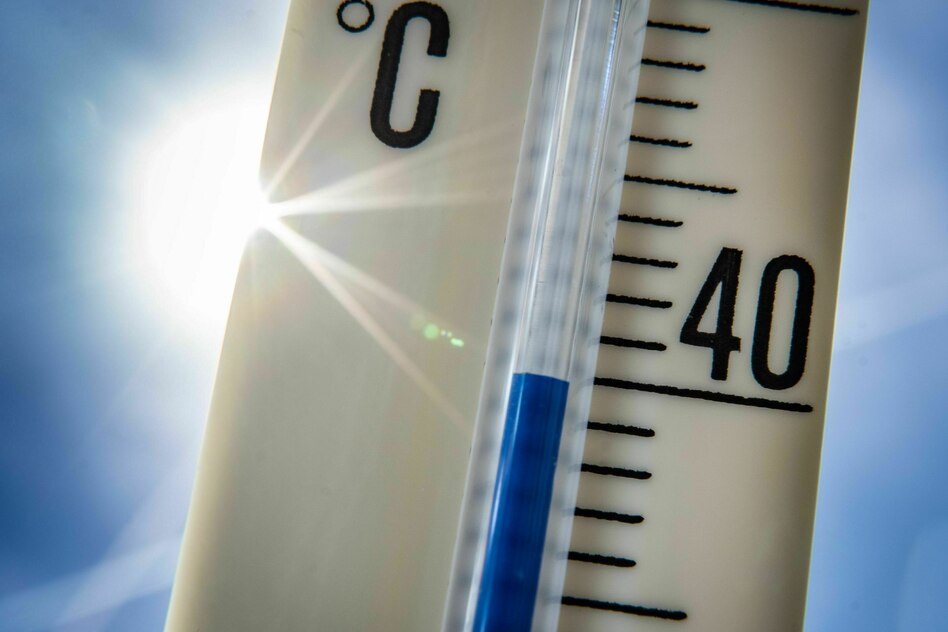
dpa | According to British scientists, the hot summer of 2026 cost the lives of around 50,000 people in European cities - more than ever before. The researchers attribute almost two thirds (65 percent) of deaths directly to human-caused climate change.
The data from around 850 urban centers in the EU, Great Britain, Norway and Switzerland, where around 40 percent of the population of the countries mentioned live, were examined. For comparison: around 29,000 heat deaths are expected in this region in 2022. The proportion of deaths attributed to climate change was still 59 percent at the time.
The scientists from Imperial College London and the London School of Hygiene & Tropical Medicine developed a method for calculating heat deaths from historical data since 2000 and comparing them with actual reported statistics. They then used the same method to determine a hypothetical number of heat deaths without the effects of anthropogenic climate change. The difference results in excess mortality from warming caused by greenhouse gas emissions.
According to the researchers, June 2026 had a particularly drastic effect. Accordingly, almost a third of all heat deaths occurred between June 17th and July 1st. At that time, temperatures were on average five degrees higher than the average for the comparable periods from 1991 to 2020.
“We can say with some certainty that the summer of 2026 was the worst on record in terms of heat-related mortality across much of Europe,” said Clair Barnes, an extreme weather and climate change researcher at Imperial College. “Behind these statistics are real people who have lost their lives and families who are mourning them,” the researcher continued.
According to the scientists, it wasn't just older people who died as a result of the heat. An estimated 6,000 of the 50,000 heat deaths were under 65 years old, they emphasized.
“It is becoming increasingly clear that our cities are poorly adapted to rising temperatures, and it is crucial that we step up our adaptation efforts,” emphasized epidemiologist Pierre Masselot from the London School of Hygiene & Tropical Medicine. “That means cooling cities through more green spaces and less pollution and providing medical care to the population.”