
War & Militarism taz
War between USA and Iran: Is after the war before the war?
The USA attacks positions in Iran and at the same time speaks of an end to the war. Iran unveils new missile cities and hesitates to use them. And now? more...
Deutsch (original) ·Auto-translated to English
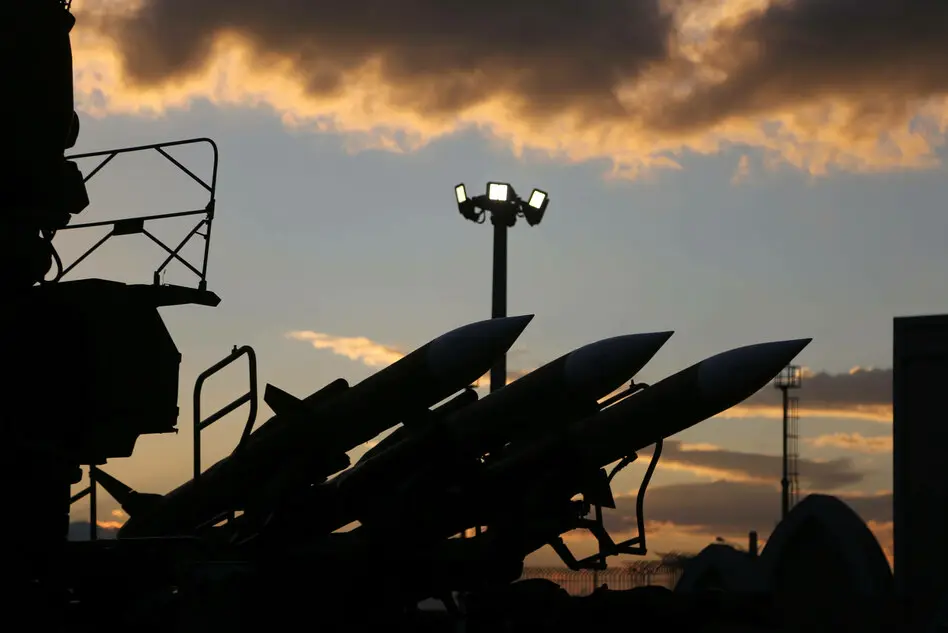
Is the war between the USA and the Islamic Republic of Iran soon over? Statements from the White House currently actually point in this direction. But in the past, major military strikes tended to take place shortly after the United States had contemplated a breakthrough in the negotiations.
US Secretary of State Marco Rubio said on Tuesday at the G7 meeting that there was currently “no reason for major hostilities” because the economic blockade was working well. In a press briefing on Monday, US President Donald Trump spoke of “positive momentum towards ending the war” and described Iran as “de facto militarily exhausted”.
However, the reality on the ground seems to contradict this. On Tuesday, just a few hours after Trump's comments, Iran's Revolutionary Guards released videos on their media channels of a new so-called missile city: They show kilometers of well-lit tunnels in which dozens of missiles are stored. Iran's underground missile cities have so far been inaccessible to American bombs. They play a crucial role in maintaining Iran's military clout even during a confrontation.
The elaborately staged propaganda tour through the new rocket city is obviously intended to deter the USA and Israel from new attacks against Iran. But recently Iran's threats have increasingly been directed against Europe.
A few days ago, Iran announced that it had lifted the limit on the range of its missiles to 2,000 kilometers. At the same time, Iranian politicians are threatening to attack European states if they make their soil available for future US military operations against Iran. In the propaganda video from the new missile city, Chief of the Armed Forces General Staff Ali Abdollahi warns: “If the enemy takes an unwise step, our response will extend beyond the region.”
While the USA is appeasing and Iran is even threatening the Europeans, the Gulf state of Qatar is still trying diligently to mediate between the two sides. The main proposal from Doha is a possible non-aggression pact that includes, among other things, the opening of the Strait of Hormuz, sanctions relief, inspections by the International Atomic Agency, the removal of remaining highly enriched uranium from Iran and allowing Iran to use nuclear energy for civilian purposes.
Qatari Prime Minister and Foreign Minister Mohammed bin Abdulrahman al-Thani is currently in the United States. He is reportedly preparing a possible meeting between US Vice President J.D. Vance and the head of Iran's Supreme National Security Council, Mohsen Rezaei.
Against this backdrop of saber-rattling and diplomacy, the war in the Strait of Hormuz continues to simmer on a low flame. Both Iran and the USA target enemy ships on a daily basis. In recent days, several oil tankers have been damaged by air strikes and sea mines. Videos from Oman show the severe pollution of the sea caused by the oil leaks, and the black liquid is also washing up on the beaches.
Since the beginning of November, the USA has attacked Iran several times again, and the islands in the strait are also affected. Explosions were reported on the island of Qeshm, but also near the port city of Bandar Abbas on the mainland. The target is Iranian air defense, rocket launchers and radar systems. Iran's Revolutionary Guard responded with attacks on the Omani island of Didamar. According to Iran, this is being used by the USA to “facilitate oil smuggling”.
The fighting continues elsewhere in the region. The Iran-allied Houthi militia in Yemen continues to attack its neighboring state, Saudi Arabia. On Sunday, the Aramco Tower was damaged by a rocket attack by the Houthis. The skyscraper in the center of the capital Riyadh belongs to the state oil company Aramco, the largest oil production company in the world.
The current situation in the region – the ongoing exchange of blows in the Strait of Hormuz and the fighting between forces loyal to Iran and those allied with the US – is described by Iranian state media as “neither war nor peace”. Iranian President Masoud Peseschkian said on Monday that he had been instructed by Supreme Leader Mojaba Khamenei to end this situation through diplomatic channels. At the same time, Iran refuses to give in to threats and coercion.
The official negotiations and diplomatic invocations are countered by the concrete preparations in the region for a major escalation. While Iran is presenting its new missile cities to the world, the Israeli armed forces are preparing for new war scenarios, according to media reports. At the same time, the third US aircraft carrier, “Theodore Roosevelt”, is currently on its way from Singapore to the Middle East, and military aircraft and missile defense systems have already been brought to the region.