
Germany · taz · 7h
War in South Lebanon: Israel’s next “yellow line”
Deutsch (original) · Auto-translated to English
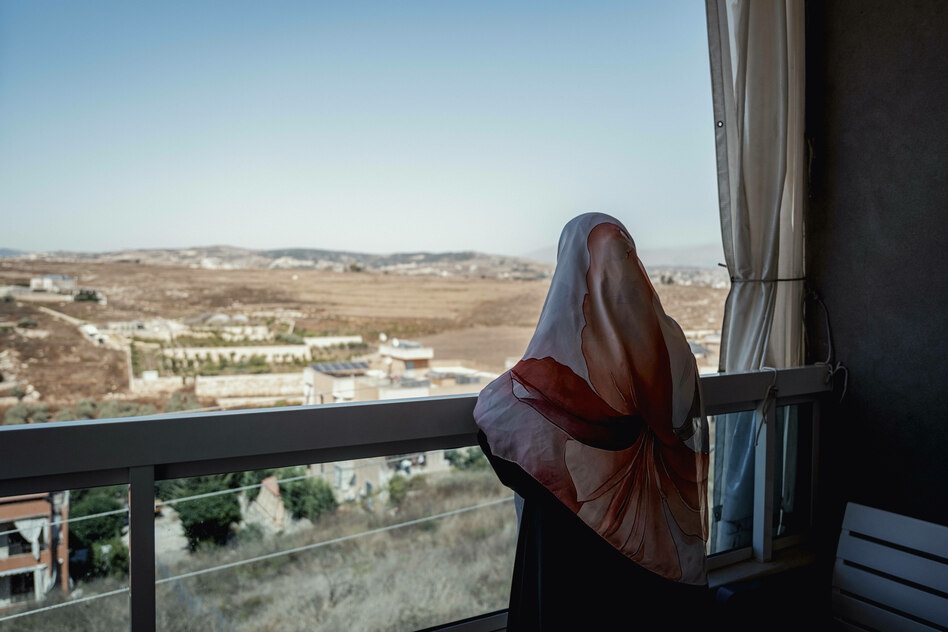
The Ali Taher hill range in southern Lebanon is considered one of the most sought-after and contested strategic points in the conflict between Israel and the Iranian-backed Hezbollah militia. From its heights you can see the southeast of the country. And beneath its soil, Hezbollah had built a network of tunnels and command centers.
Now the Israeli army says it has conquered the hill and that the Lebanese fighters are dead or have fled from the underground facilities. And the military now wants to “adjust its defense posture.” According to a report by the Israeli broadcaster Kan, the military wants to partially withdraw its forces in the area after the destruction of the tunnels. At the same time, the army is preparing to set up a new “security line” in Lebanon, with military posts about two to four kilometers deep in Lebanese territory. At the same time, Israeli soldiers are to withdraw from the rest of Lebanon in the long term.
The Israeli military left a corresponding query from the taz unanswered. And Israeli politicians have so far kept a low profile. Israel is currently occupying a buffer zone in southern Lebanon along the border. It is around ten kilometers wide and covers around 600 square kilometers.
According to the trilateral agreement that Israel and Lebanon signed in the USA in June, the Israeli armed forces should first withdraw from several “pilot zones”. The Lebanese military will then take control of these areas. As soon as the Lebanese state forces have regained control over all of southern Lebanon, Israel should leave the country completely.
But further negotiations stalled. Planned rounds of talks at the beginning of September were postponed to an unspecified date, and the ceasefire is repeatedly broken by both sides. Israel calls on the Lebanese army to take tougher action against Hezbollah. They in turn refuse to recognize the agreement. And the Lebanese state is hesitant to take decisive action against the powerful Hezbollah, which acts as a “state within a state”.
If the Israeli media reports of a withdrawal were followed by corresponding actions, it would be a significant step towards the demands of the agreement. However, Beirut's long-term goal is for Israel's troops to completely withdraw from Lebanon. And it is unclear how long Israel intends to remain in the new, reduced buffer zone. That could make a final agreement more difficult.
At the same time, Prime Minister Benjamin Netanyahu's right-wing conservative, religious-nationalist coalition could come into trouble because of the partial withdrawal. More radical right-wing groups and politicians are calling for the permanent occupation of southern Lebanon. The far-right Finance Minister Bezalel Smotrich went so far as to publicly call for the annexation of southern Lebanon a few months ago.
Israeli politicians are currently in the middle of an election campaign; On October 27th, citizens will go to the polls. The ruling parties are therefore unlikely to support unpopular measures. And a survey by the Israel Democracy Institute in the spring showed that four out of five Jewish Israelis surveyed support continuing the fight against Hezbollah. Among Arab Israelis surveyed, a third are in favor of it.
The current government coalition and the opposition parties are currently on equal terms in polls for the election. At the beginning of September, the broadcaster Kanal 13 published the latest data, according to which the Netanyahu bloc and the opposition bloc led by Gadi Eisenkot and his Yashar party would each receive 53 seats.
At the same time, the current Israeli government is under considerable pressure from the USA to enable the plan and trilateral framework agreement initiated by US President Donald Trump. And that would ultimately mean slowly withdrawing troops from Lebanon. In this dilemma, it seems logical that politicians should keep a low profile for the time being.
Read the full story at the source →
Source: taz