
Germany · taz · · 2h
Corrected economic forecast: Just a snapshot
Deutsch (original) · Auto-translated to English
“Never waste a good crisis” is a popular saying among economists. This is the only way to explain why neoliberal economists, lobbyists and the federal government are sticking to the planned welfare state reforms. Ultimately, the aim is to get the supposedly stumbling economy back on track. It's just too bad that all economists are now significantly increasing their economic forecasts.
According to current forecasts from five leading economic institutes, GDP is expected to grow by 1.3 percent this year. That's quite good and more than twice as much as the institutes assumed in the spring. This is mainly due to the surprisingly good development of exports and industry. This does not fit at all into the picture of the alleged industrial crisis and the supposedly high labor costs that would undermine German competitiveness. Nevertheless, the institutes call for structural reforms in their forecast.
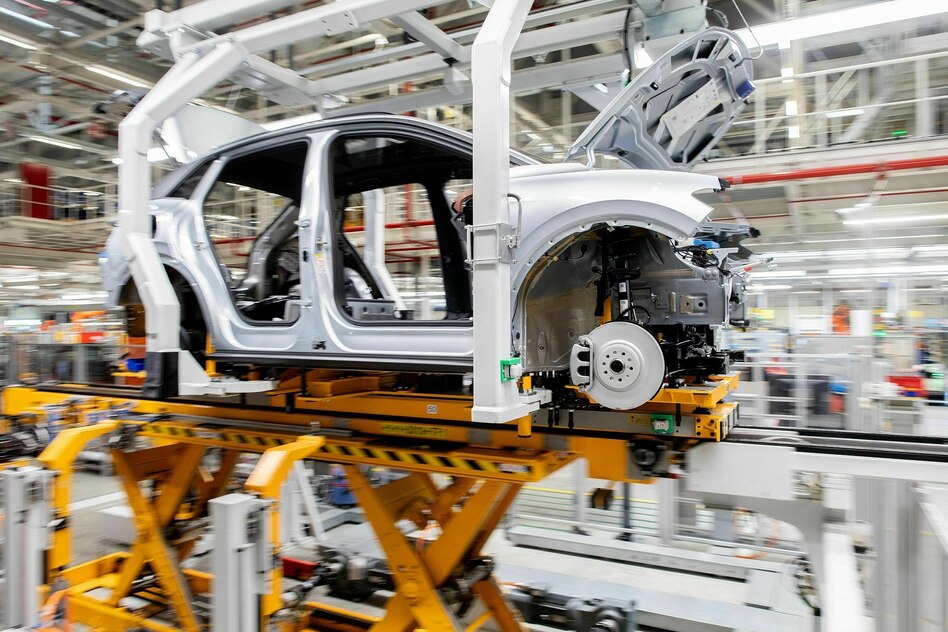
But the truth is also: The currently good economic forecasts are only a snapshot. The most important local industry, the automobile industry, is in a serious crisis. The economy has barely grown so far this decade. People are feeling this in their wallets; rising fuel prices are only making the situation worse. Now they also have to worry about their jobs.
The taz is an independent, left-wing and opinionated daily newspaper. We have been arguing in our comments, essays and debate texts since the taz was founded in 1979. We often cannot and do not want to agree on an opinion. That's why you'll find some completely opposing positions here - all part of the very broad left-wing spectrum of opinions.
But ever new social cuts are making people even more unsettled. And that affects the economy. According to a survey by the Institute for Macroeconomics and Economic Research, 42 percent of respondents are already limiting their consumption. If you want to make pensions fit for the future, you have to allow more immigration and promote women's participation in the workforce and not abolish pensions at 63. And if you want to get the industry fit again, you have to specifically support it in the transformation instead of pushing down wage costs.
Read the full story at the source
Source: taz