
Germany · taz · 4h
Climate change: Broad alliance sees child welfare threatened
Deutsch (original) · Auto-translated to English
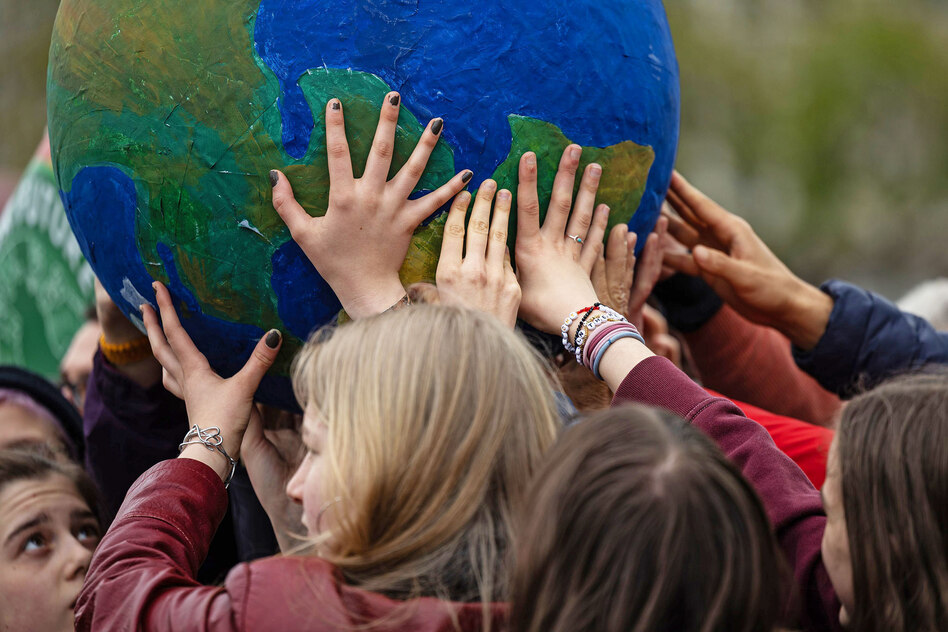
Children and young people need special consideration when adapting to climate change. This is what 77 organizations are calling for in a position paper, including Greenpeace, the Paritätische Gesamtverband, Kindernothilfe and Fridays for Future.
“Children and young people have contributed at least to climate change, but will be affected longer and harder,” says Dirk Holzinger from the Alliance for Climate Change and Health (KLUG). “A lack of climate protection and climate adaptation is a threat to children’s well-being.”
According to KLUG, children and young people are more sensitive to the consequences of climate change than adults. According to doctors, they get heat strokes more often and dehydrate more quickly. Infants and small children cannot yet regulate their body temperature well through sweating and therefore quickly overheat.
The experts write that allergies and asthma are increasing due to climate change because flowering times are lengthening and pollen is becoming more aggressive as a result of heat stress, air pollution and drought. Heat waves also increase the risk of stillbirths and premature births and can increase the risk of heart malformations in unborn babies in the first three months of pregnancy.
Alliance demands that existing laws be adhered to
“Children are developing people,” says Holzinger. The lack of climate protection and climate adaptation hits them harder than adults. “In schools where heat protection is hardly possible due to a lack of the necessary resources, children and young people are less able to learn.” Being able to move outside, “what children should do,” is significantly restricted by climate impacts such as heat and heavy rain, warns Holzinger. “The most important resource our country has is people who care – young people whose development we are currently endangering.”
The alliance therefore calls on the federal and state governments to comply with “existing legal obligations” for climate and environmental protection. This includes the protection of natural resources anchored in the Basic Law, the Climate Protection Act and the UN Convention on the Rights of the Child.
In addition, the federal and state governments should provide the funds so that municipalities can adapt to the needs of children and young people. The 77 organizations suggest, for example, safe routes to school that are protected from heat, well-ventilated school buildings, daycare centers and youth welfare facilities, as well as green and therefore cooler places to move and stay.
The alliance's third demand: Children and young people should be involved in climate policy. “We cannot continue to make decisions without those who will be affected by them for the longest time,” says Marischa Fast from KLUG, which initiated the alliance.
In addition to environmentalists, the 77 members of the alliance include social workers, psychotherapists, daycare centers, church youth groups and midwives. “We have brought together many professions under this action alliance that are committed to child welfare, but often do not speak to each other,” says Fast. “This is an empowering moment for those involved in the respective institutions: they realize that they are not alone.”
Read the full story at the source →
Source: taz