
Climate taz
Climate crisis and insurers: Too vulnerable to be insured
Industry insiders warn that some regions will become uninsurable in the future - with serious consequences for those affected and the financial system. more...
Deutsch (original) ·Auto-translated to English
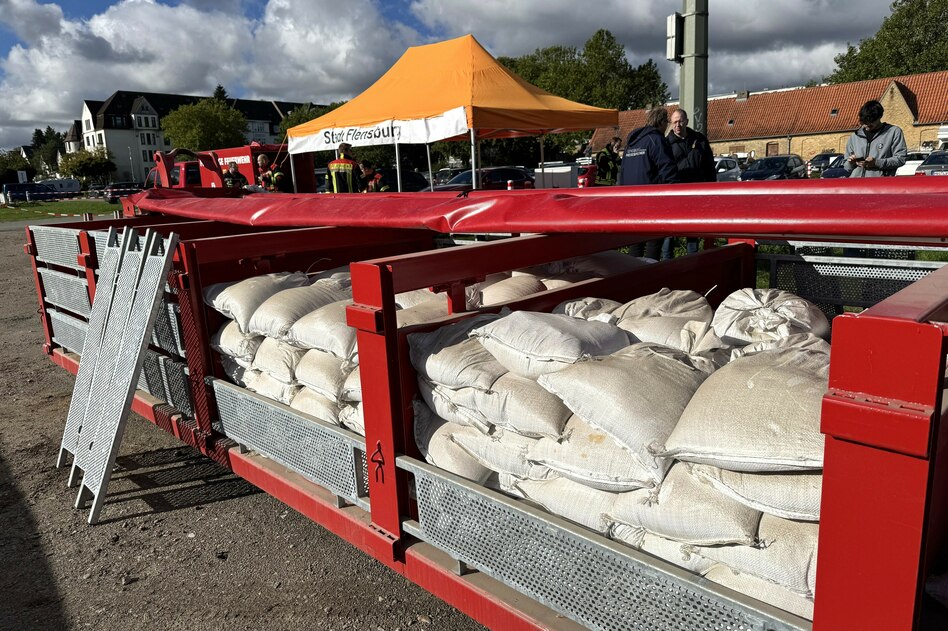
As the climate crisis increasingly escalates, insurance companies will leave companies and people in particularly vulnerable sectors and regions without insurance coverage. This is what industry insiders predict, who anonymously wrote a memo together. In the worst case, this could result in a financial crisis.
“As experienced professionals in our field, we are deeply concerned about the ominous rate at which physical climate and environmental risks are increasing,” they write. Against this background, one could expect that insurers will pay the greatest attention to climate impacts. But “the industry is convinced that it can sufficiently limit its own risks with its current strategy.”
The anonymous industry insiders have come together under the umbrella of the British NGO InsideTrack. The organization wants to enable people in leadership positions to exchange ideas and express themselves publicly without fear of professional consequences.
For insurers it is understandable “from a short-term business perspective” not to want to insure damage. “There is no malicious intent behind this, but rather a reaction to the economic conditions under which we work.”
Companies therefore have three options for dealing with global warming: They would increase premiums “to take account of the increasing physical risks”. People with little money can no longer afford insurance coverage. Agricultural businesses could also suffer.
In addition, according to insiders, insurers will no longer include particularly high risks, for example from forest fires, in their insurance coverage. And in regions where the consequential climate damage will be too high even with higher premiums, “we will simply no longer offer insurance coverage.” Coastal and mountain regions as well as areas at risk of flooding are particularly affected.
Because insurance protection is the basis for granting real estate loans, there is also a risk of “significant economic upheaval and even a financial crisis,” the authors write. The then Allianz board member Günther Thallinger had already warned of such a development in 2025.
With the memo, the authors appeal to those responsible for politics and the supervisory authorities. “You have to recognize that our models show a growing insurance coverage gap.” Investors also need to “understand that the increasing unpredictability and severity of climate impacts could lead to losses that place significant financial strain on our industry.”
According to the reinsurer Munich Re, 224 billion US dollars were destroyed by natural disasters in 2025. In particular, events that occur frequently and cause limited damage are increasing.