
Germany taz
Lawsuit from energy companies: ECJ opinion considers excess profits tax to be legal
In the 2022/23 energy crisis, the EU was allowed to collect profits from oil, gas and coal, according to the ECJ Advocate General. The upcoming judgment is also interesting for Berlin. more...
Deutsch (original) ·Auto-translated to English
afp | A new report at the European Court of Justice (ECJ) classifies the so-called excess profits tax for energy companies from 2022 and 2023 as legal. It was a temporary exception, explained the responsible Advocate General Athanasios Rantos in his opinion presented in Luxembourg on Thursday. But that is not yet a verdict. (Af. C-358/24 etc.)
When energy prices rose sharply after the start of the Ukraine War in 2022, the Council of the European Union adopted a regulation introducing a temporary solidarity contribution as an “emergency measure”. Oil, gas, coal and refinery companies had to pay a “temporary solidarity levy” for extraordinary profits.
Profits that were more than 20 percent above the average for the years 2019 to 2021 were subject to 33 percent taxes. The member states implemented this into national law. Germany received almost 2 billion euros from the EU energy crisis contribution in 2022 and around 465 million euros in 2023.
In Belgium, Ireland and Italy, companies sued against the respective national measures. Courts from these countries asked the ECJ whether the EU regulation and the respective national regulations are compatible with European law.
According to the Advocate General's assessment, they are. However, the final decision on this must be made by European judges. Experience has shown that they often orientate themselves on the closing submissions. It was not yet known when a verdict would be handed down in Luxembourg.
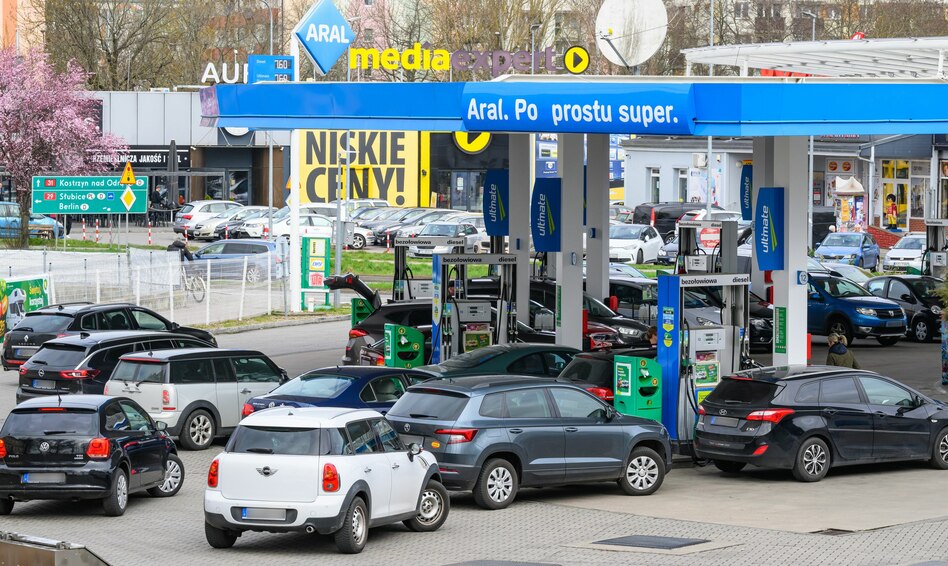
Berlin politicians are also likely to be interested in the upcoming verdict. An excess profits tax is currently being discussed again, this time for mineral oil companies. Fuel prices recently rose significantly due to the Iran war.
Only on Thursday, Mecklenburg-Western Pomerania's Prime Minister Manuela Schwesig and Saarland's Prime Minister Anke Rehlinger (both SPD) called for the introduction of a national excess profits tax in the event that the EU could not reach an agreement.