
Politics · taz · · 2h
Katherina Reich's laws: The Bundestag must prevent the energy transition from stalling
Deutsch (original) · Auto-translated to English
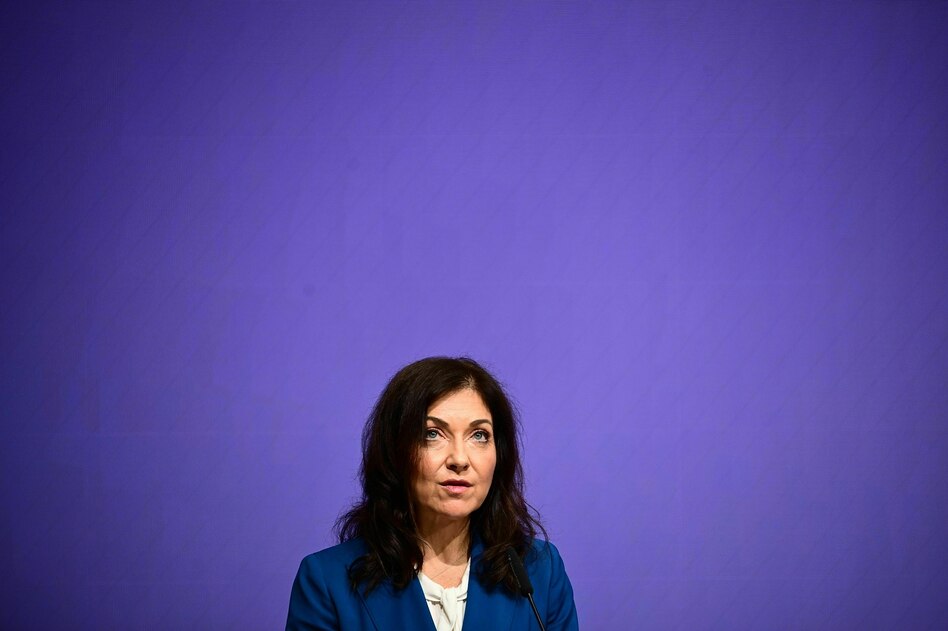
There is great nervousness in the energy industry. Many companies are afraid of a drop in sales and job losses. Responsible for this are two central projects from Economics Minister Katherina Reiche, which the Bundestag has just discussed in its first reading: the Renewable Energy Sources Act (EEG) and the so-called network package. It's about nothing less than the question of how and whether the energy transition will continue. If the Christian Democrat prevails with her ideas, the expansion of wind and solar power will be severely slowed down. Then not only the companies in the energy sector have a significant problem, but the entire country.
The state regulates in detail who is allowed to produce electricity and when. Interventions can have intentional or unintentional negative consequences for the operators of wind, hydropower, solar or biomass plants. Solar energy in particular has experienced a boom in recent years. It is not only supported by commercial solar parks, but also by many citizens who have installed their own solar system on their roof. It will take many years for this investment to pay off. That's why there is currently a minimum remuneration for electricity that is not consumed but is supplied to the grid. Reiche wants to cancel the previous funding and make operations more difficult with new requirements. This makes solar systems less attractive. This will have significant consequences for installation numbers.
There is also a risk of a decline in wind power. Sometimes the electricity produced by wind turbines is not needed, for example when weather conditions produce a lot of renewable energy. The systems are then switched off so that the network is not overloaded. Operators receive compensation for this. This means you have a reliable basis for calculation when building the system. This compensation aims to drastically restrict the rich. Banks warn that this puts the financing of wind power projects at risk. There would be a simple solution: storage at the systems that absorb the excess electricity. But the minister rejects that.
The taz is an independent, left-wing and opinionated daily newspaper. We have been arguing in our comments, essays and debate texts since the taz was founded in 1979. We often cannot and do not want to agree on an opinion. That's why you'll find some completely opposing positions here - all part of the very broad left-wing spectrum of opinions.
The draft laws contain a number of other large and small obstacles and niggles for companies and private individuals who want renewable energies. This is irresponsible given the climate crisis. And it is also incomprehensible from an economic point of view. Many companies suffer from high energy prices. Gas and oil are becoming increasingly expensive and scarce in crises, as the Iran war shows. In terms of security policy, there is also no way around becoming more independent of oil and gas. But Reich's plans do not lead to an end to fossil fuel dependency. On the contrary.
In the coming weeks, the MPs from the Union and SPD will have it in their hands to refuse this nonsense. If they don't have the strength to do this, things will look bad for Germany's energy supply.
Read the full story at the source
Source: taz