
Germany taz
Journalist murdered in Mexico: keep quiet or die?
The journalist Eduardo Flores Salado was murdered in Mexico. In his native Guerrero, gangs threaten press freedom. Many remain silent out of fear. more...
Deutsch (original) ·Auto-translated to English
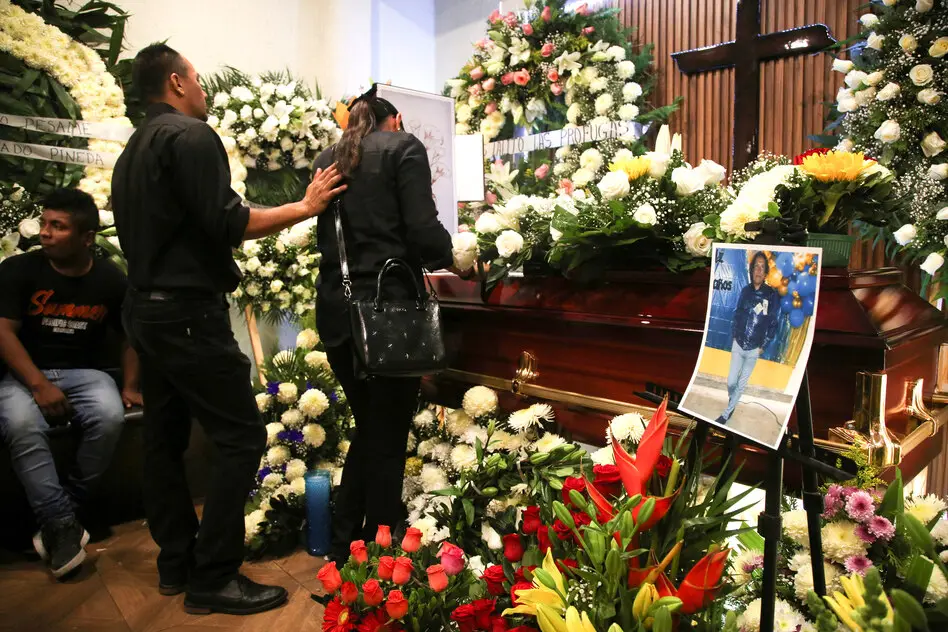
Eduardo Flores Salado lived in Acapulco, was a journalist and reported on crime, security and human rights. This combination now cost him his life. On Saturday evening, the body of the 42-year-old, whom his friends called Lalito, was found in the area surrounding the southern Mexican Pacific city. His murderers had strangled him.
Flores worked as a reporter for over 20 years. He began his career in the now defunct daily newspaper Novedades. For the last ten years he has reported to the editorial team of Enfoque Informativo, a platform that publishes articles and radio reports. He also founded the Prensa Rosa collective with others, which supports and brings together journalists from the LGBTI community.
Flores was a professional who felt committed to journalism, write his colleagues at Enfoque Informativo, and the operator of the medium, Héctor Nájera, emphasized: “His voice, his writing style and his dedication expressed his will to inform citizens on a daily basis with closeness and responsibility.”
Anyone who works as journalists with this attitude in Acapulco and other regions of the state of Guerrero risks their lives. The tourist hotspot, on whose impoverished outskirts hundreds of thousands have settled in the hope of a better living, is one of the most dangerous cities in Mexico. Criminal organizations such as “Los Rusos” engage in armed battles with rival gangs. Their influence extends to state institutions and local companies, which are under their control in many places. The rule of law is a foreign word here.
For reporters, the working day often begins with the drive to the next body discovery. On the day of his death, Flores also reported on a dead man who had been found at a gas station. Journalists like him have to weigh up every day what they should report on – and what it would be better to keep quiet about. Research into the connections between organized crime, the police and the judiciary is hardly possible. Entire regions of Guerrero are now considered zones de silencio, zones of silence. Hardly any news gets out from there. Because if you write the wrong thing, you risk your life.
For journalists in the state, Lalito's death is another blow. In a statement from their union, 50 of his colleagues recalled that, according to Reporters Without Borders, 169 press workers have been murdered in the past 20 years. The press freedom organization Artículo 19 also speaks of 34 journalists who have disappeared. This year alone, ten media workers have been killed, including Alex Serna, who also died in Guerrero in June.
It is still unclear whether Flores was murdered because of his work, although there is much to suggest that he was. The union is therefore demanding consequences. “The deficiencies in prevention, protection and investigations must be identified and corrected,” their statement said.
For them, impunity is in the foreground: “The General Prosecutor’s Office in Guerrero must not be an accomplice to the hands of murderers.” According to Artículo 19, so far only two percent of crimes against journalists end in a criminal conviction. It is therefore unclear whether Eduardo Flores Salado's murderers will be held accountable. The chances are bad.