
Germany · taz · · 3h
Houthi militia in Yemen: Yemeni army just a paper tiger
Deutsch (original) · Auto-translated to English
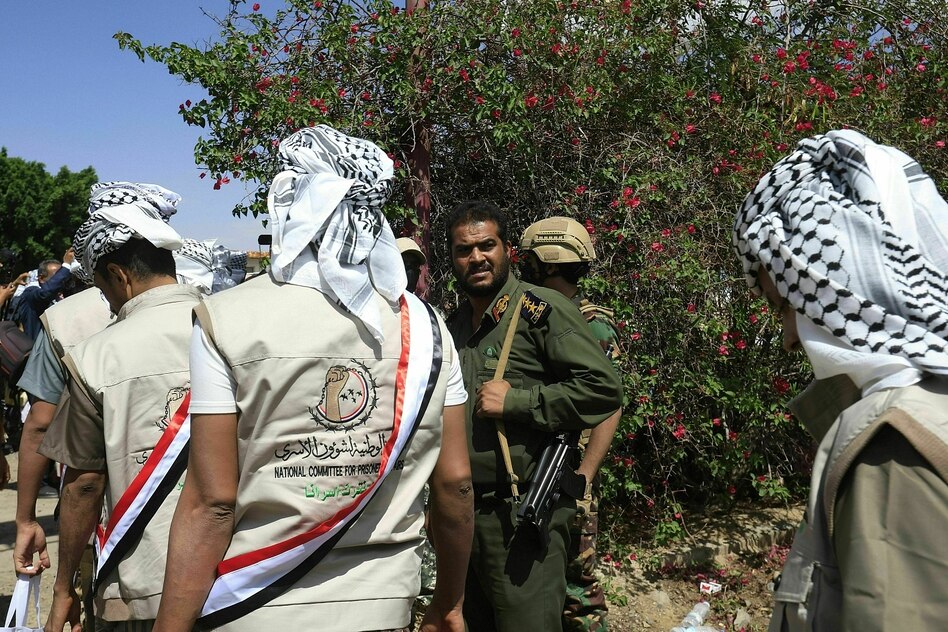
Within just a week, the Iran-backed Houthi militia captured several strategically important points in Yemen: along the west coast bordering the Red Sea, they first captured the city of Mocha and then moved further south. Ultimately, they captured the island of Mayyun, also known as Perim, which allowed them to control the Bab al-Mandab Strait.
Houthi spokesman Jahja Saree said the group had captured six districts in Yemen covering an area of more than 5,000 square kilometers. His forces also shot down several Saudi fighter jets. This claim has not yet been confirmed by independent sources.
How could this happen? many people now ask. How could the Houthis gain so much land so quickly? Since 2022, the conflict between the Yemeni government and some militias, sometimes more and sometimes less close to the government, on the one hand, and the Houthi militia on the other side, has been frozen. It flared up again in July 2026 when the Yemeni government refused to allow a plane from Iran to land. The government vowed at the time to push back the Houthis across the country. But so far it has not succeeded, and the Houthis continue to have the upper hand in the country. Why is that?
There is the suspicion of betrayal. The “National Resistance” militia, among others, was involved in the fighting against the Houthis around Mocha. This is commanded by Tareq Saleh, nephew of the former dictator Ali Abdullah Saleh. He is also Vice President of the Presidential Council in Yemen, which is the internationally recognized government. His troops were considered to be supported by the United Arab Emirates, but are now also close to Saudi Arabia.
After the Houthis captured Mocha, Saleh traveled to Riyadh. According to information from the taz, the “National Resistance” is said to have been infiltrated: leaked information about camp locations would have enabled the Houthis to quickly attack them. The “National Resistance” fighters then gave up their positions without a fight out of fear of a siege and capture, according to informed sources.
Another reason for the Houthis' rapid advance: the Yemeni army is said to have been a paper tiger. According to a report by CNN, the Houthi fighters entered Mocha on Thursday - and found hardly any Yemeni soldiers. The troops were severely decimated and their ranks were full of “ghosts” who received salaries but were not on site. 80 percent of the Yemeni army only exists on paper, a source told CNN.
The militias also probably lacked manpower. That has to do with a conflict this winter between Saudi-backed pro-government forces and United Arab Emirates-backed separatist militias, which would like to see a Yemen divided again into north and south. To resolve this conflict, the Emirates withdrew their troops, leaving behind bases and barracks in the southwest of the country. Saudi Arabia reportedly did not fill the void.
And now? Brigadier General Mohammed al-Kumaim, an adviser to Yemen's defense minister, describes the Houthis' gains as a "repositioning" rather than a defeat. Government forces also launched a counter-offensive on Friday in an area designated as a "kill box" on the road south of Mocha. According to unofficial information, over 500 Houthi fighters have been killed there in the past two days. More than 46,000 people had to flee the combat zone.
Late Sunday, analyst Mohammad Al-Basha reported a new status: the Houthis are no longer able to exercise effective control over the Bab al-Mandab Strait; they had begun to withdraw their troops from the area. Government troops have not yet fully secured the area, but air support has “effectively made it impossible for Houthi forces to remain in the area.” “More details to follow,” he writes. The battle is not over yet.
Read the full story at the source →
Source: taz