
Germany · taz · · 4h
High fuel prices: stay away from VAT
Deutsch (original) · Auto-translated to English
T he “concept” from 2020 should be a warning to all decision-makers. At that time, the grand coalition under Chancellor Angela Merkel and Finance Minister Olaf Scholz reduced sales tax – commonly called VAT – for six months. Mind you: the sales tax that every company carries with every single booking. The step also took place with an extremely short lead time, meaning that many invoices had to be recreated. The draft law had previously stated tellingly: The “compliance costs for the economy” could not “be quantified in such a short period of time”.
Only someone who is not familiar with sales tax in everyday life could come up with the idea of making such a law. Companies cursed because their IT was unable to reflect the new tax rates at such short notice. In the end, the tax cut was a project that was remembered primarily for its high transaction costs. And of course through a hole in the household.
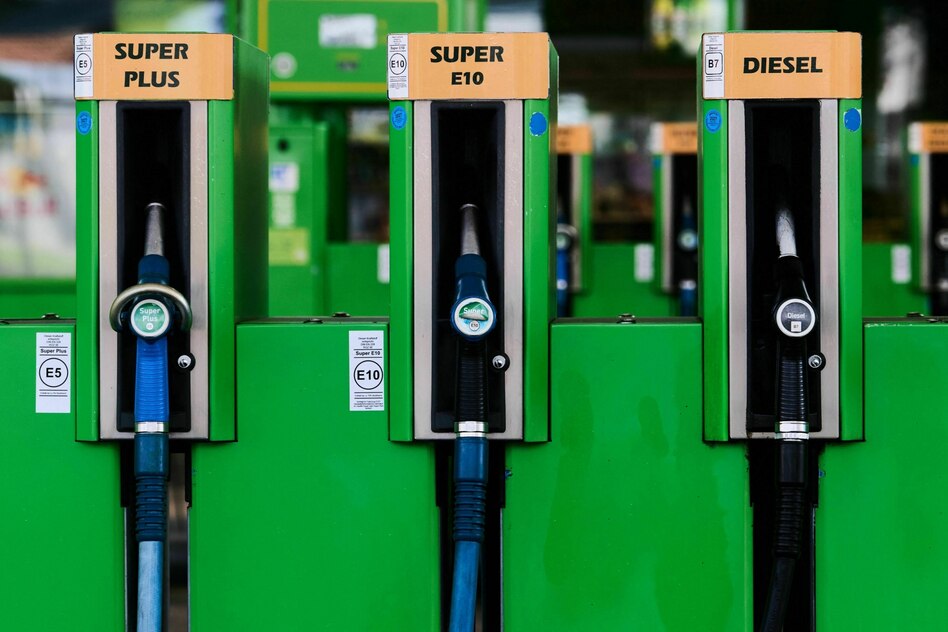
The fact that, in view of the increased fuel prices, there are now plans to change the sales tax again - for example from Economics Minister Katherina Reiche and the Union parliamentary group leader Thorsten Frei - shows little ability to learn. Because the federal government would have more elegant options to relieve tax burdens on citizens. And those that don't disrupt company accounting.
The taz is an independent, left-wing and opinionated daily newspaper. We have been arguing in our comments, essays and debate texts since the taz was founded in 1979. We often cannot and do not want to agree on an opinion. That's why you'll find some completely opposing positions here - all part of the very broad left-wing spectrum of opinions.
For example, if the federal government wants to relieve the burden on low earners, it can simply adjust the income tax in the desired wage range. The economy has no switching costs and citizens have no additional costs. And yet it means that low-income earners have more money at their disposal. Or the state transfers a fixed amount to every citizen or at least parts of the population according to defined social criteria. This would also benefit those who, despite working, earn so little that they pay no taxes at all. All of this is wiser than tinkering with sales tax again.
Read the full story at the source
Source: taz