
Germany · taz · · 2h
Heat deaths and other records: Looking back at a summer of climate crisis
Deutsch (original) · Auto-translated to English
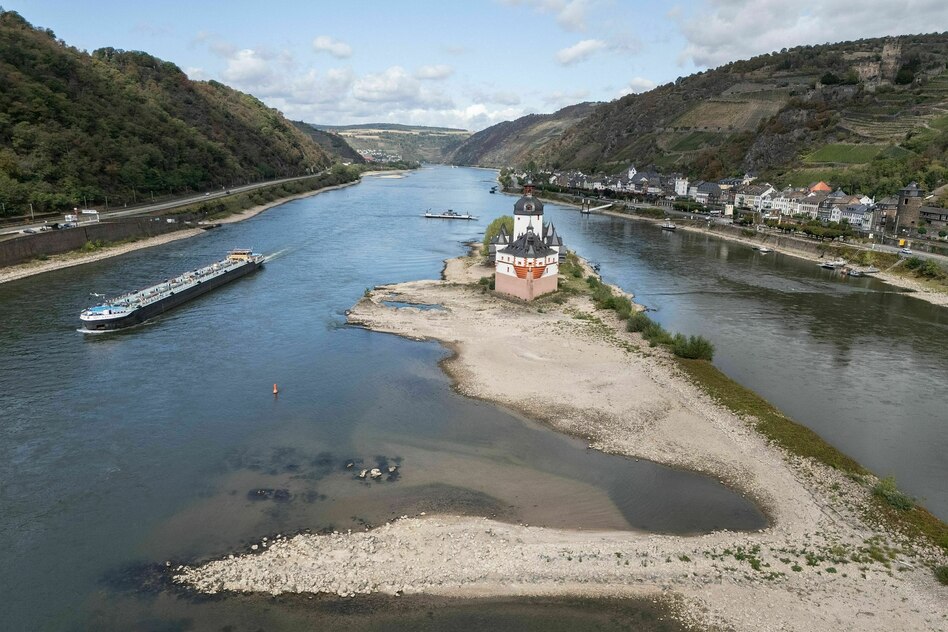
Germany clearly felt the climate crisis this summer: there was historic heat and widespread drought - with serious consequences for health and the economy.
According to the German Weather Service (DWD), the summer of 2026 was the second warmest since records began, with a new record of 41.8 ° Celsius in Möckern-Drewitz in Saxony-Anhalt. Otherwise, the south and southwest of Germany in particular suffered from persistent heat stress.
A major threat to health: The Robert Koch Institute (RKI) estimates 16,000 heat deaths for the summer of 2026 until the beginning of September - a sad record for Germany. In the last week of June alone, 9,800 people died due to heat. The RKI estimates are considered rather conservative. In fact, the number of heat deaths could be even higher. Climate and health organizations repeatedly emphasize that particularly vulnerable groups such as the elderly and children are affected by the heat.
Social institutions reported states of emergency due to the heat. Schools also struggled with the extreme temperatures.
Environmental organization Greenpeace also sees the heat as an economic factor, and a negative one at that. According to the organization's estimates, the high temperatures resulted in costs of at least 36 billion euros. Heat is particularly harmful to the economy because it limits productivity and leads to more absenteeism. Because it exacerbates numerous diseases, it also makes the healthcare system more expensive.
Climate change is making hot days and periods more likely. At the beginning of September, the United Nations Environment Program published a report according to which the Paris Climate Agreement's goal of limiting global warming to 1.5 degrees can no longer be met.
Environment Minister Carsten Schneider (SPD) called for climate adaptation and nature conservation to be included in the Basic Law as a joint task. This would allow the federal government to support municipalities financially and not just promote model projects. The CDU has so far refused this demand.
The heat combined with low rainfall also led to dryness and drought. Ideal conditions for forest fires: According to the European Commission, around 670,000 hectares have burned in the EU in a total of 2,067 fires since the beginning of the year. Portugal, Spain, Croatia and Italy were particularly affected.
The water level in the rivers also affects people and nature: the Rhine reached a historic low at all four important measuring stations. Inland shipping was severely restricted on the Rhine and at times not even possible on the Elbe.
This brought Transport Minister Steffen Bilger (CDU), who had only been appointed to office a week earlier, into action. At the beginning of August he called a “low water summit” and announced that he wanted to deepen the channel in the Rhine.
In order to strengthen alternative transport routes to shipping, almost all federal states suspended the ban on trucks driving on Sundays until the end of August, and North Rhine-Westphalia and Rhineland-Palatinate even suspended the ban on trucks until the end of September.
To date, the Rhine has only slowly recovered. For the Kaub measuring point in the Middle Rhine - most relevant for shipping traffic - the Federal Institute of Hydrology does not predict an increase in the water level until the beginning of October.
The extreme summer does not stop at agriculture either: According to the German Farmers' Association, almost 7 percent of grain yields across Germany have been lost due to persistent drought. In its harvest report, the Federal Ministry of Agriculture, on the other hand, assumes that the harvest corresponds to the average of the past five years. Nevertheless, the ministry is planning funding and innovation programs as well as increased direct payments for the coming summer.
Read the full story at the source
Source: taz