
Germany · taz · · 2h
EU and Philippines: free trade agreement in the starting blocks
Deutsch (original) · Auto-translated to English
afp/taz | The EU and the Philippines want to conclude a free trade agreement. Both sides have agreed to reduce or abolish tariffs on numerous products, said EU Trade Commissioner Maroš Šefčovič in Brussels on Tuesday. The agreement is now going into detailed legal work and is expected to be formally signed “in the coming months”.
In a joint statement, EU Commissioner Šefčovič and Philippine Trade Minister Cristina Roque spoke of an “important milestone for both sides”. According to EU information, the planned free trade agreement covers more than 97 percent of the current trade volume. It is intended to open up new export markets for companies and make supply chains more stable.
According to information from Brussels, the EU exports, among other things, machinery, equipment for the transport sector and medicines. Overall, both sides traded goods worth around 17.6 billion euros and services worth around 10.3 billion euros last year. He sees “huge growth potential,” said Šefčovič.
The German Chamber of Commerce and Industry (DIHK) also spoke of “enormous market potential”. The final agreement must ensure “complete tariff reductions in all industrial sectors,” demanded DIHK foreign trade chief Volker Treier. German companies also hope for access to public tenders. According to information from Brussels, the planned agreement will make the EU the first trading partner of the Philippines to have such access.
Agricultural representatives also welcomed the breakthrough in the negotiations. European companies mainly export pork and poultry as well as dairy products and alcoholic beverages to the Philippines. The European farmers' association Copa-Cogeca was therefore “encouraged” by the promised export profits.
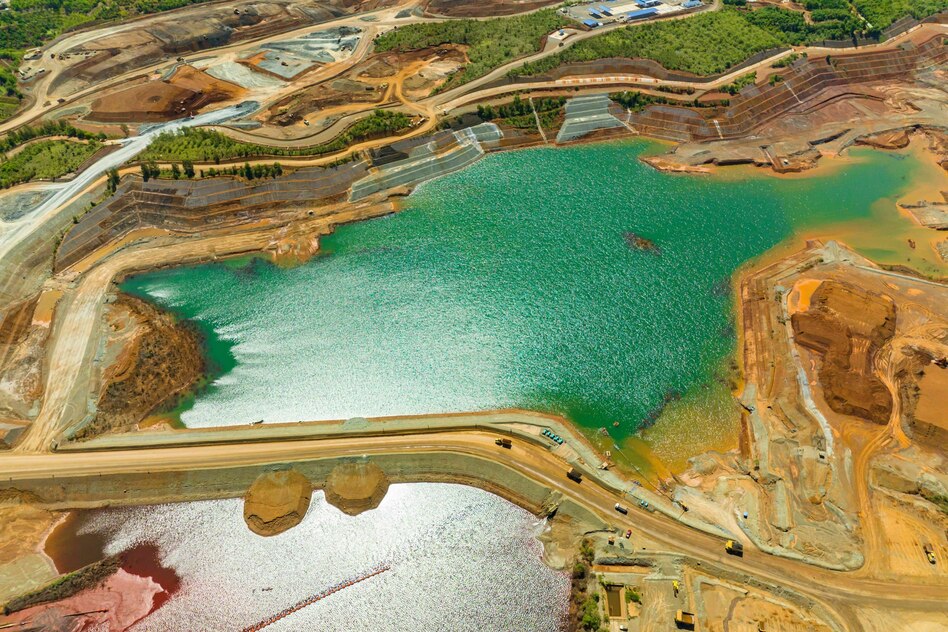
The European economy also wants to secure raw materials from the Philippines. The island state has, among other things, large deposits of nickel, copper and gold. Because raw materials are needed for new technologies and the energy transition, Šefčovič says the EU is now trying to achieve better access in all trade negotiations.
The EU and the Philippines had already started negotiations on a free trade agreement in 2016, but put them on hold the following year. Negotiations have been running again since March 2024. Both sides now emphasized their “common interest in an open, inclusive and rules-based international order”.
Human Rights Watch, the Human Rights-Philippines Action Alliance (AMP) and over 20 European NGOs are calling for binding human rights guarantees in the agreement. The EU should also advocate for reforms in the Philippines that protect civil society, trade unionists and representatives of indigenous peoples.
“Failure to achieve reforms in the free trade negotiations will make it more difficult for non-governmental organizations to securely monitor the implementation of the agreement and could expose them to an increased risk of threats, violence and other serious abuses,” the letter to EU negotiators said.
AMP highlights potential risks to the environment. The situation in Caraga, where there are 23 active nickel mines, is already worrying. As a result of mining, communities are struggling with declining fish stocks, sediment-polluted waters, severe flooding and increasing respiratory diseases, but are not sharing in the economic benefits. Mining activities also pushed into protected areas and indigenous areas.
The EU is seeking alternative trading partners because of US President Donald Trump's tariff policy and tense relations with China. World trade has “fundamentally changed,” said Šefčovič in Brussels. The EU is “a welcome partner” for many, he added.
In recent months, the EU has already signed an expanded trade agreement with Mexico and concluded negotiations with India. A free trade agreement with the South American Mercosur states has been provisionally in force since May.
Read the full story at the source
Source: taz