
Politics · taz · · 2h
Greens request amendment to the Basic Law: heat summer should change the constitution
Deutsch (original) · Auto-translated to English
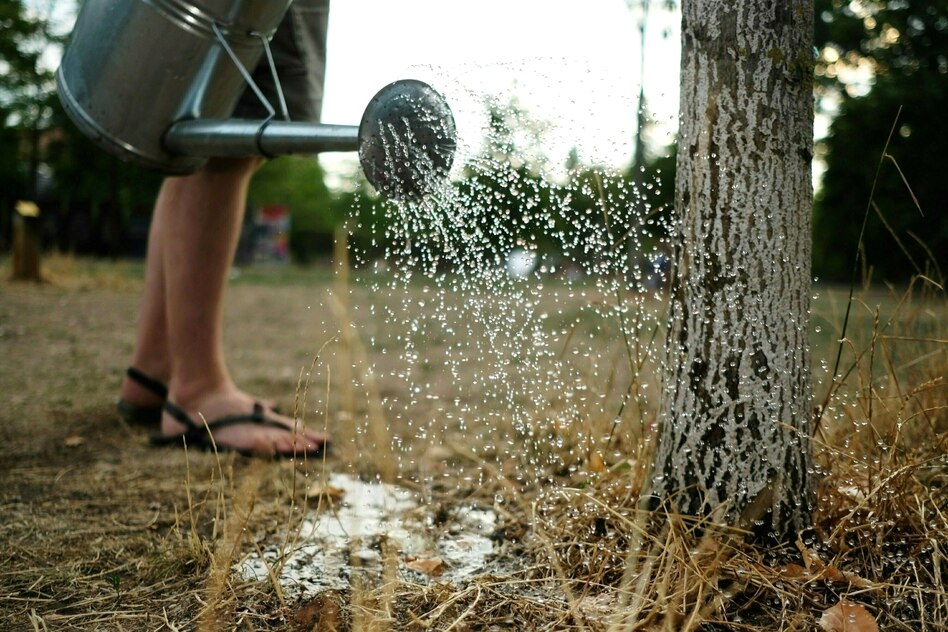
After the record heat this summer, the SPD called for a new financing basis for climate adaptation in municipalities. However, in the coalition it was unable to prevail against the Union. The Greens in the Bundestag now want to increase the pressure on the black and red parties on this issue: In their parliamentary group meeting on Tuesday, they are expected to pass a motion for a change to the Basic Law. They want to anchor climate adaptation and nature conservation in the constitution as a joint task of the federal and state governments.
In a draft available to the taz, the group first breaks down the problem: measures such as heat protection for public facilities, rainwater storage or tree planting will be needed on site in cities and municipalities after this summer at the latest. In many places, however, money is tight, and because climate adaptation is legally considered a voluntary task for municipalities, it is often the first thing to fall behind.
Financial injections from the federal government are only permitted to a limited extent in this area: only for certain projects and for a limited time. If climate adaptation were to be included in the Basic Law as a joint task, it would open up “unbureaucratic and long-term financing options” from the federal government. That's why the Greens are pushing for changes to the Basic Law.
In the application, the group also makes concrete proposals for the design. For example, regarding personnel costs: municipalities could already support the salaries of climate adaptation managers, but the resources are often not sufficient. In the future, new staffing ratios should apply, through which places with “high disaster susceptibility” will receive more support.
In general, bureaucracy should be reduced when it comes to funding and municipalities should be given a freer hand. “It should be ensured that the municipalities can freely decide on the funds made available,” says the application. One option is to provide municipalities with a budget depending on the number of inhabitants, which they can “decide on over a period of at least ten years based on an extensive positive list”.
To this end, the Greens are relying on networking: a “coordination committee” of the federal, state and local governments should develop common goals and evaluate implementation; Municipalities should exchange best practice examples with each other through appropriate bodies.
“We have to act before cellars fill up again, emergency rooms are overcrowded or schools overheat,” said the responsible Green MP Julia Schneider to the taz. The issue should not get stuck in the coalition dispute. Her parliamentary group colleague and co-author Karoline Otte added that the SPD must “relentlessly hold the Union accountable” here.
If the Green parliamentary group approves the draft on Tuesday, the proposal will probably come to the Bundestag plenary session on Wednesday. However, it is not to be expected that the pressure from the opposition will take effect quickly and that the Union will give up its resistance to a change to the Basic Law: the CDU and CSU not only have reservations about the content, but are also reluctant to work with the Left Party. However, the required two-thirds majority in the Bundestag would not be possible without the Left.
Read the full story at the source
Source: taz