
World taz
Increased cost of living: Affordable is not cheap
It's not just since the Democrats' election victory in the USA that everyone has been talking about "affordability". But something crucial is often lost in translation. more...
Deutsch (original) ·Auto-translated to English
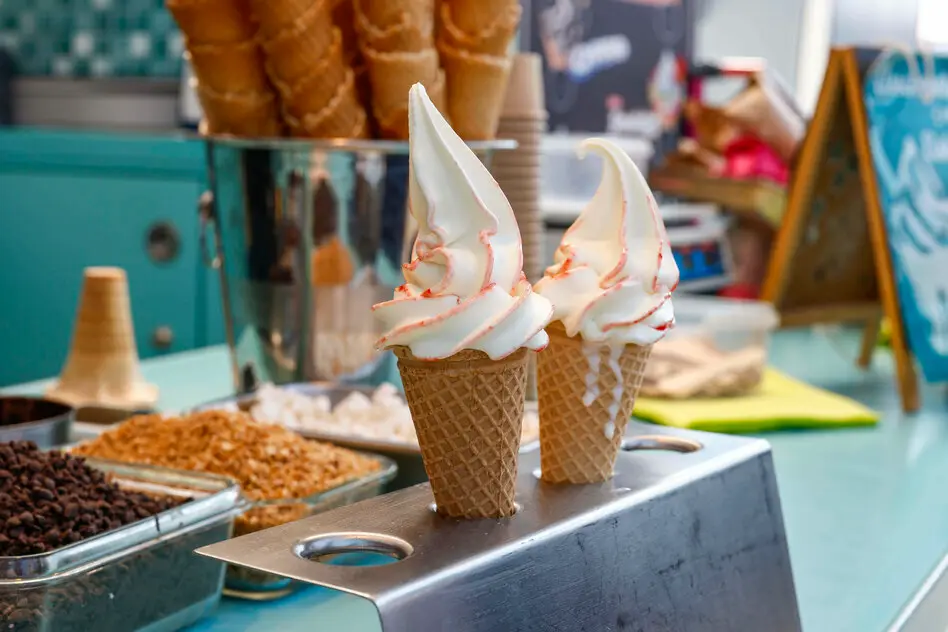
W hen I looked at my cell phone on Wednesday morning, I thought of Danish soft ice cream. And that wasn't because of my last vacation photos, but because of the news about the Democrats' victory in the USA.
I have been going on holiday to a village on the Danish North Sea for over 30 years. The many Germans there always had three favorite topics: hot dogs, soft ice cream and the sentence: “Pretty expensive here.” But that's over. Anyone who goes shopping in Denmark today thinks: “It’s actually possible.” And that's not because it's become cheaper in Denmark, but because it's more expensive in Germany.
What does this have to do with the elections in the USA? The Democrats' victory is often explained with one word: affordability. Since the Iran War, food and energy prices have skyrocketed, and Democrats have made this a theme of their election campaign. The situation is similar in Germany. Since 2019, food prices have risen by around 40 percent and wages have only risen by 24 percent. The numbers are from 2025, before the start of the Iran War, which made everything even more expensive.
German politicians also like to talk about affordability, and not just since the midterms. Exceptionally, the German translation is two syllables shorter: Affordability. The SPD wanted to “make Berlin affordable again,” and the party executive committee decided in September: “We are putting the question of the cost of living at the center of our policy.”
Green Party leader Felix Banaszak flew to New York to learn from Zohran Mamdani. The Left Party complains: We were there first. And representatives of all three parties are diligently reading “anti-fascist economic policy” by the economist Isabella Weber, which aims to achieve affordability with price caps and thus shrink the extreme right.
It is good that parties are focusing on material issues instead of arguing about migration. But something is often lost when translating from English. It's not just about cheap gas or ground beef. Left-wing democrats like Zohran Mamdani or Abdul El-Sayed speak of a working class that deserves to be able to pay its bills (Olaf Scholz once called this “respect”). And they demand redistribution.
If this is missing from the German translation, there will be a fuel discount. Anyone who simply demands lower prices is quick to resort to “Lowering taxes makes Germany livelier,” an old Bild slogan.
The election in Berlin also shows this. The Left Party has combined its demand for affordable rents with that of socialization and made it clear: state intervention is needed for those who profit, not just a bit of tenants' rights. Whether one considers socialization to be the right path is another question. But the SPD and the Greens also called for tenant protection and did not get their way.
This text first appeared in wochentaz, our weekly newspaper from the left!
Every week, wochentaz is about the world as it is – and as it could be. A left-wing weekly newspaper with a voice, attitude and the special taz view of the world. New every Saturday at the kiosk and of course by subscription.
The Democrats in the USA have two advantages. They are an opposition party and they do not have to form coalitions. In New York, Zohran Mamdani can rule alone. Politicians in Germany have to explain how they want to enforce affordability: against real estate companies, the fossil fuel industry and so-called family businesses. And above all: against the CDU's vested interests. That's why it's difficult to believe the SPD's new mantra as long as it is in this coalition. And also the Greens, who could govern with the Union in the future.
That's why I had to think about Danish soft ice cream this week: affordable is not the same as cheap. High prices are okay if, as in Denmark, wages are high, no one enriches themselves from high prices and everyone shares in the costs of the common good.