
Politics · taz · · 2h
Genetically modified plants: Agricultural associations are suing against the EU's genetic engineering regulation
Deutsch (original) · Auto-translated to English
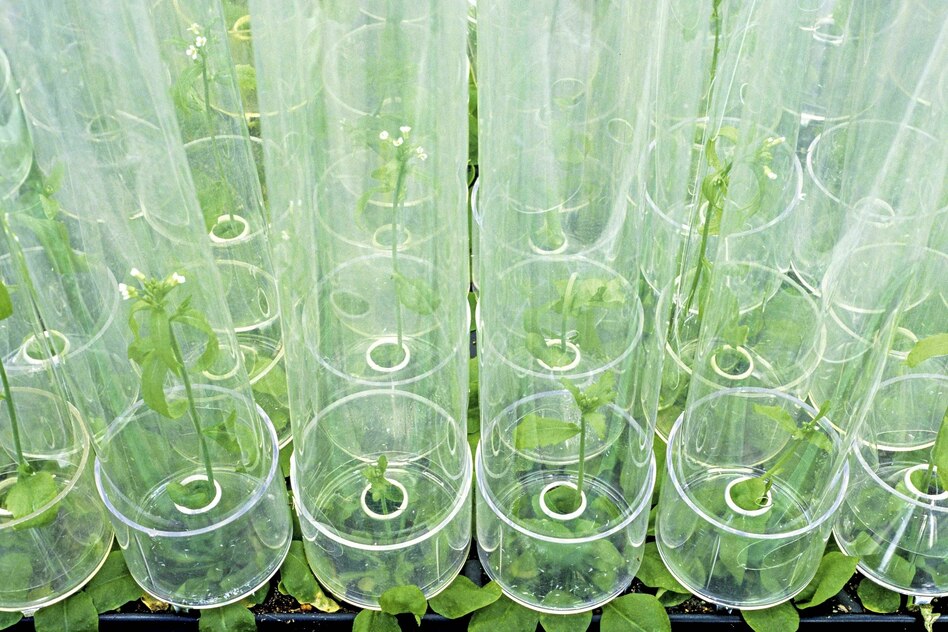
kna | Several agricultural companies and associations want to take legal action against the EU's new genetic engineering regulation. It is said that it violates higher-level EU law that the obligation to test and label genetically modified plants is partially eliminated. That's why the alliance filed a lawsuit with the European Court on Monday against the regulation passed in June. Those involved are calling for the regulation to be declared null and void.
The focus is on concerns about plants that are bred using so-called new genomic techniques (NGT). The EU had largely deregulated plants from these processes. In the future, NGT-1 plants will be treated equally to conventional varieties. This eliminates the need for strict approval and labeling requirements for genetically modified organisms.
According to the law, the decisive factor for classification is the number of genetically modified so-called base pairs of the plants. Proponents of the regulation argue that the genetic changes in NGT-1 plants are so small that they could practically arise through conventional breeding. At the same time, more climate-resistant varieties could be created in a targeted manner.
The plaintiffs, on the other hand, believe that determining the number of modified base pairs, i.e. the DNA connections in the plant's genome, for categorization is not scientifically sound. A quantitative approach is misleading here, as even small changes can have larger effects on the function of the plant, explained the Bremen European lawyer Gerd Winter. He is responsible for the statement of claim.
With deregulation, it can be assumed that the distribution of NGT-1 plants within the EU will increase significantly. The pollen flow spreads the genetic material of these plants and can cross into conventional or organic breeding. “This means that these thresholds that you imagine no longer apply because systemic contamination then occurs,” says Winter.
This would damage organic and conventional breeding as well as wild plants. This makes it increasingly difficult for GMO-free companies to guarantee their status. This could lead to losses through contractual damages and even the revocation of certifications for manufacturers.
The lawsuit is brought by eight GMO-free companies and four agricultural associations, including Rapunzel Naturkost and the working group for rural agriculture. The court must now first formally examine the lawsuit and then check its admissibility, said Winter. If the European court declares it inadmissible, the lawyer has already announced an appeal to the EU's higher court.
Read the full story at the source
Source: taz