
Germany · taz · · 2h
Money for climate protection in poor countries: promises broken
Deutsch (original) · Auto-translated to English
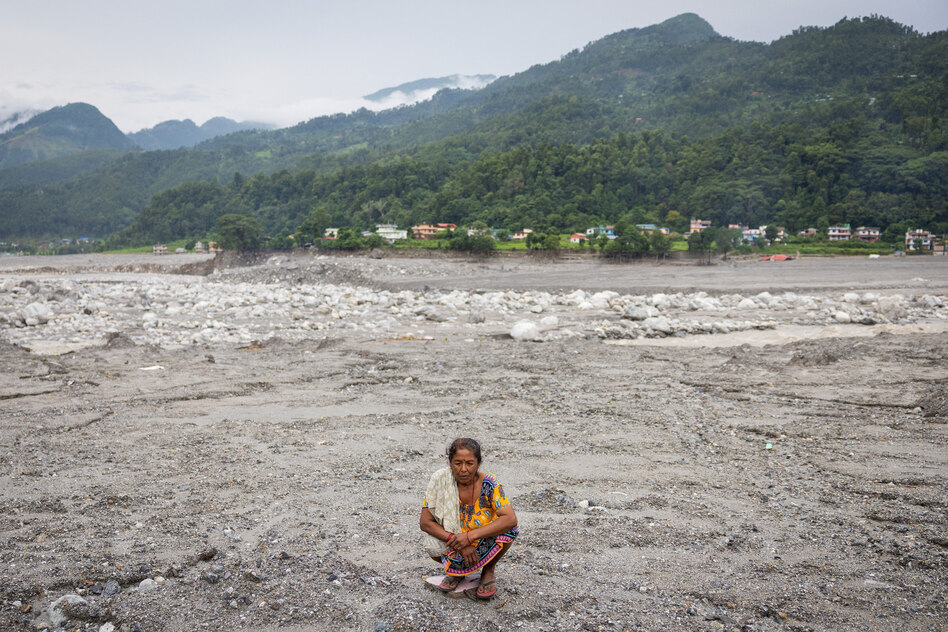
M erkel promises, Merz breaks: Germany paid too little money for climate protection in poor countries in 2025. The sum should grow to 6 billion euros by then, Angela Merkel (CDU) announced as Chancellor at a G7 summit in 2021. In 2025, Friedrich Merz, a CDU chancellor, ruled again and was responsible for the budget - but only 4.7 billion euros flowed into international climate financing.
There is a lack of money for small farmers in the Global South to switch to heat and drought-resistant cultivation, there is a lack of money for the construction of dams, educational programs on the climate crisis, and the expansion of renewable energies. The federal government, however, boasts that it has mobilized a particularly large number of private investments and loans.
But: This is in any case a step backwards. In 2024, i.e. under the traffic light government, Germany paid 6.1 billion euros from budget funds and, including private money, delivered a total of 11.6 billion euros. And: private investments and loans are no substitute for public money. They are intended to ensure profits for northern corporations and must be paid back. This forces the most vulnerable countries into a perfidious debt spiral. They have to borrow to deal with a climate crisis that they hardly caused. Germany is thus perpetuating colonial structures.
The taz is an independent, left-wing and opinionated daily newspaper. We have been arguing in our comments, essays and debate texts since the taz was founded in 1979. We often cannot and do not want to agree on an opinion. That's why you'll find some completely opposing positions here - all part of the very broad left-wing spectrum of opinions.
Germany is also weakening its own negotiating position at the World Climate Conference in November in Antalya, Turkey. How is the federal government supposed to convince China, which is formally a developing country, to agree to pay climate money to poor countries like the industrialized countries if it breaks its own promises? Beijing is pursuing a different strategy anyway: While Berlin is scrimping, Beijing is using its infrastructure projects to expand its influence in precisely those countries that Germany is leaving out in the cold when it comes to climate protection - or, more generally, in the drought, heat or storm surge.
Read the full story at the source
Source: taz