
Germany · taz · · 3h
Refugees in Mecklenburg-Western Pomerania: “Show people that they are not alone”
Deutsch (original) · Auto-translated to English
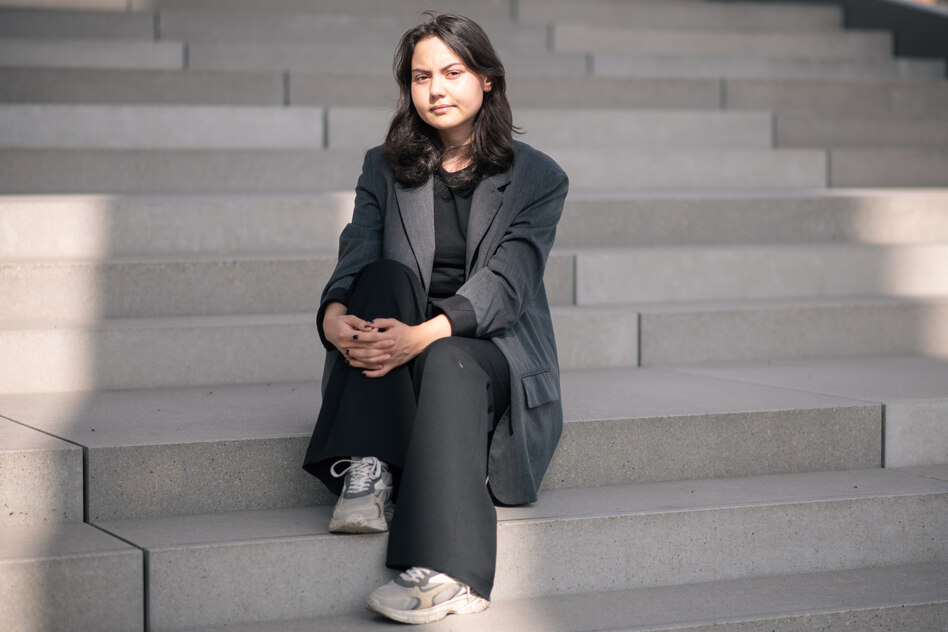
“When I arrived, I always laughed at everyone on the street,” says Zainab Delijam about her arrival in Torgelow: “However, my smile was never returned, and so after a short time I stopped.” The small town in the Vorpommern-Greifswald district to which she and her family were assigned after their escape was beautiful, but many of the people expressed great dissatisfaction.
The woman responsible for refugees at the Torgelow town hall expected her to speak German, reports the 26-year-old. Otherwise, she should arrange for an interpreter herself. Just the day before, she had landed at Hamburg airport from Kabul.
Today, three years later, the young woman accompanies the caravan of We’llcome United, an alliance of migrants, refugees and supporters, as an interpreter for German, English and Persian. She still lives in Torgelow and wants to study social work to make it easier for others to participate. The fact that she has made it this far is not thanks to the German authorities, but primarily to people who have had similar experiences. Her Afghan neighbors were the only ones who supported her family after their arrival. “Because they felt the same way when they came,” explains Delijam.
Three weeks before the state elections, the We’llcome United initiative toured Mecklenburg-Western Pomerania for a week and visited accommodation for refugees. “It's about showing people that they are not alone, that there are people who support them and, above all, that they can become active themselves,” explains Delijam. Without such offers, most refugees - including themselves - would hardly notice how many people in Germany are fighting for the rights of refugees. For her, it was the first time in three years that she had met several Germans who were friendly towards migrants.
Even if she had hoped to be treated much better in Germany, she is no stranger to racism and discrimination. Delijam belongs to the Hasara ethnic group, a Shiite minority that has experienced persecution in Afghanistan for centuries - in recent decades largely at the hands of the Taliban.
Racism and even fear for one's own life shaped their everyday lives from an early age, because the terrorists' focus was on young people. “When I left home to go to school, I didn't know if I would go back,” she says. Just in August there was an attack on a school in Kabul and Pro Asyl reports massive human rights violations under Taliban rule.
Being in Germany today and reading news like this leaves her with mixed feelings. She feels ashamed because she is relatively safe here while others in Afghanistan suffer under the Taliban regime. She feels fear because Germany is increasingly deporting people to Afghanistan and is now welcoming the Taliban to the embassy in Berlin.
In the state elections in Saxony-Anhalt and Mecklenburg-Western Pomerania, a right-wing extremist party could come into government for the first time since 1945. But there is also a lively civil society on site that has not yet given up losing the elections. In the “Really Good People” series we will be introducing them throughout the summer.
However, what she also feels is pride in being Hasara. In the conversation, Delijam emphasizes the special resilience and strength of the ethnic group. Despite persecution and structural discrimination, she would stand up for human rights and freedom. Delijam himself took part in the online campaign #StopHazaraGenocide and fights for recognition of the suffering of the Hasara people in Afghanistan. She is following in the footsteps of her mother, who founded the Empowered Women Organization in Afghanistan, an organization for female self-determination.
She finds it difficult to say what gives her hope given the shift to the right in Germany and the Islamist regime in Afghanistan. In the end, it was the good people she was able to get to know at the caravan and in the neighborhood. People who resist the shift to the right in Germany and fight for women's rights in Afghanistan and stand together against all odds.
Read the full story at the source
Source: taz