
Germany · taz · · 1h
Unrest in Syria: Less oil, more fire
Deutsch (original) · Auto-translated to English
It's a turning point in the lives of all Syrians, says Firaz - and this turning point came out of nowhere. "The government published the decision around midnight. Suddenly, without any preparation, discussion, without the public knowing anything beforehand," says the man from the Aleppo region. Syria's interim government announced on Sunday that diesel prices would rise by 40 percent and oil and gas prices by 25 percent.
The reason, according to the government, is higher world market prices, falling refinery production and shipping traffic blocked by Iran. Syria is heavily dependent on imports, with 74 percent of diesel, 81 percent of gasoline and 96 percent of household gas coming from outside.
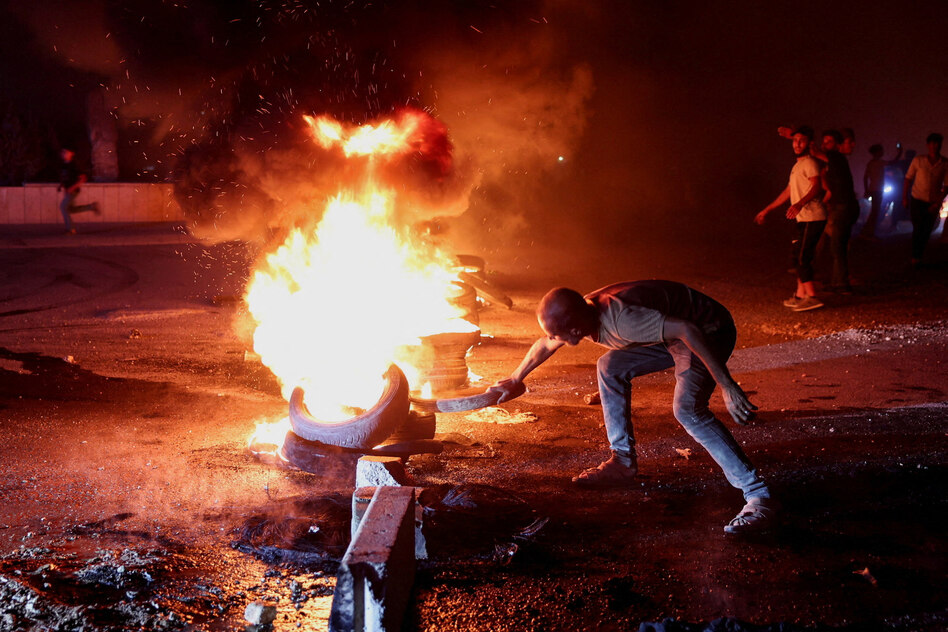
People reacted to the price increases with the largest protests since the fall of the Assad regime. They blocked the highway between Damascus and Aleppo with burning tires, as well as the M4 highway in Hassakah and Deir al-Sor, on which trucks transport oil from Iraq. Some shouted: “The people want the energy minister to be overthrown!” In the following days, the protests spread to Qamishli and Raqqah in northeastern Syria, Hama and Salamiyya in the north, and Idlib, where the government has the greatest support.
In Qamishli, protesters also called for more government subsidies for bread. “People live on water and sugar – and even sugar is hard to come by!” shouted one. “The Assad regime was criminal.” But even under the global sanctions, the situation was not that bad.
“The increases affect daily survival and endanger stability,” says Lennart Lehmann, Welthungerhilfe’s country director for Syria. “The majority of Syrians no longer have financial reserves to absorb the sudden energy shocks.” Even wages in the public sector were no longer enough to survive. Stores had raised prices by around 20 percent. “Transportation prices are skyrocketing, prices for everyday goods are rising, even getting to work or school is becoming a financial burden.” Rising prices even drove up treatment costs in hospitals.
Aid organizations would probably have to increase the prices for food vouchers, warns Lehmann. “If donor countries do not respond, the number of aid recipients will have to be reduced.”
The Syrian government responded with a statement: If the state were to cover the price difference, it would “significantly burden” state finances and prevent the state from being able to finance basic services.
This text first appeared in wochentaz, our weekly newspaper from the left!
Every week, wochentaz is about the world as it is – and as it could be. A left-wing weekly newspaper with a voice, attitude and the special taz view of the world. New every Saturday at the kiosk and of course by subscription.
“The government is in a dilemma,” said Lehmann. "If she caps prices, gasoline will become scarce. Then there will be long queues in front of the gas stations again, and illegal trade will increase again."
The energy price shock is due to the “turn away from socialism,” explained interim President Ahmed al-Sharaa. The government is gradually eliminating state subsidies for bread, electricity and fuel. Syria is transforming from a “system characterized by bureaucracy and corruption” to a “liberal system that promotes the private sector and the free economy”.
Firaz criticizes that this departure is too harsh. The Syrian does not want his full name published because he is involved in social policy. “Yes, the state is recovering from 14 years of war, but that also applies to the people.”
The state has raised fuel prices for the population, while authorities "use huge amounts of these very resources. It would be more logical to first restrict state institutions." The core of the crisis is a lack of transparency. "People neither have access to information nor can they participate in decision-making processes. They cannot hold the authorities accountable." The natural consequence is protests.
Read the full story at the source
Source: taz