
Germany · taz · · 3h
Fossil fuels: The problem lies in the system
Deutsch (original) · Auto-translated to English
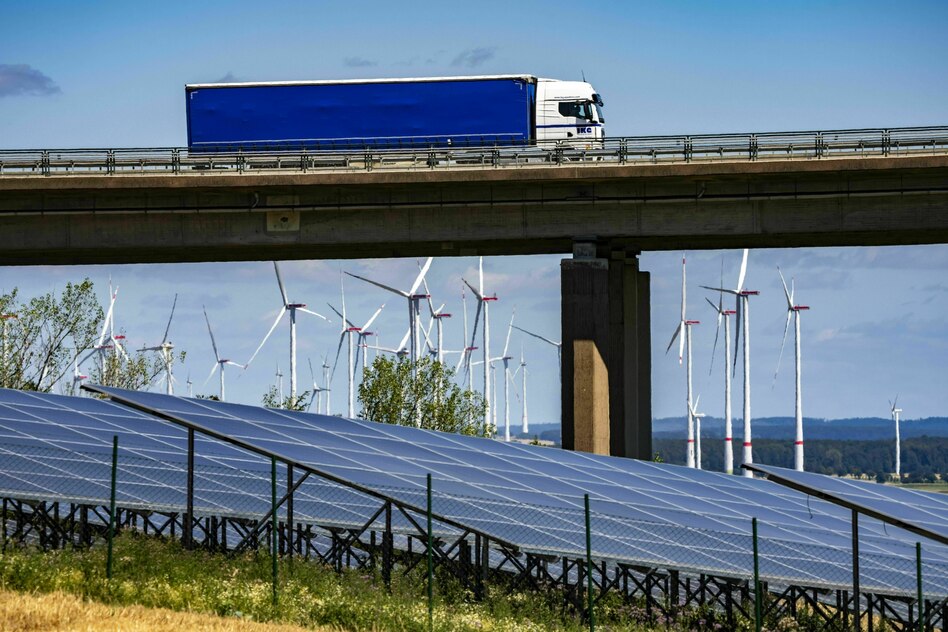
D onald Trump set the Middle East on fire and with it the cost of natural gas. On Monday, the European natural gas price rose to 84 euros per megawatt hour - the highest level in four years. The daily new tensions and attacks on energy infrastructure are fueling fears of supply shortages.
As a result, everything in terms of energy becomes more expensive: fuel, gas and even electricity. Unfortunately, the electricity system is still designed in such a way that expensive gas prices are reflected in it. Experts are already warning of record electricity prices in 2027. The electricity price could be independent of global conflicts. Spain is currently showing how this would work.
To do this, you have to understand the so-called merit order principle, according to which the European electricity exchanges work. To put it simply: the cheapest power plants generate electricity first, then the next most expensive ones. Ultimately, the most expensive power plant required to meet electricity needs determines the price for everyone. This is often a gas power plant. In Germany, they still set the electricity price in around 40 percent of all hours. This is particularly annoying because wind and solar have long provided the cheapest electricity.
And that's where you can start. In Spain, the average electricity price on the exchange this year was around 67 euros per megawatt hour. In this country it was around 104 euros, in Italy even more than 130 euros. There is a lot of sun shining in Spain and Italy. The difference: In Italy, gas power plants set the electricity price in almost 90 percent of the hours in 2026, while in Spain only 15 percent. The more often a gas power plant sets the price, the more the electricity price depends on the price of gas - and thus on Trump, Putin and autocrat states in the Middle East.
You are reading a text from our future department. If you're interested in more positive perspectives, subscribe to TEAM FUTURE, the constructive newsletter on climate, knowledge, utopias. Every Thursday you will receive an email from us with strong thoughts for you and the planet.
🐾 Sign up now for the TEAM FUTURE newsletter – free of charge
In Spain, the share of nuclear power and renewables in national electricity production has increased from around 59 to around 84 percent since 2019. The increase comes almost entirely from renewables. Between 2019 and 2025 alone, Spain added more than 40 gigawatts of wind and solar capacity. That's about as much as Germany, although the Spanish electricity market is only about half as big.
Such a development would have gigantic economic benefits for Germany. If our electricity system were as advanced as Spain's, electricity procurement costs for businesses and households could fall by around 15 to 20 billion euros. This green, cheap, free energy future would be nice. It is unimaginable that the 100 billion euros that Germany transfers abroad every year for fossil energy imports would remain in Germany and could generate added value, jobs and income here.
Unfortunately, decoupling is not currently the Federal Government's top priority. It would rather replace dirty coal with many new gas power plants. There is also less funding for small solar power plants and less compensation for wind farm operators who do not produce because the networks are too weak. It is not stronger power grids, larger battery storage, more wind, more solar that Economics Minister Katherina Reiche is counting on.
The alternatives have long been known, wind and solar projects are ready, and the large north-south electricity highways are scheduled to transport wind power from 2028. Germany doesn't have an energy problem, but a system problem and is therefore in its own hands whether the war in Iran determines the electricity bill - or the sun over Germany.
Read the full story at the source
Source: taz