
War & Militarism taz
Consequences of the war in the Middle East: price caps, excess profits tax or just more transparency?
Because of high energy prices, drivers drive less and more slowly to save fuel. What they want from politics. more...
Deutsch (original) ·Auto-translated to English
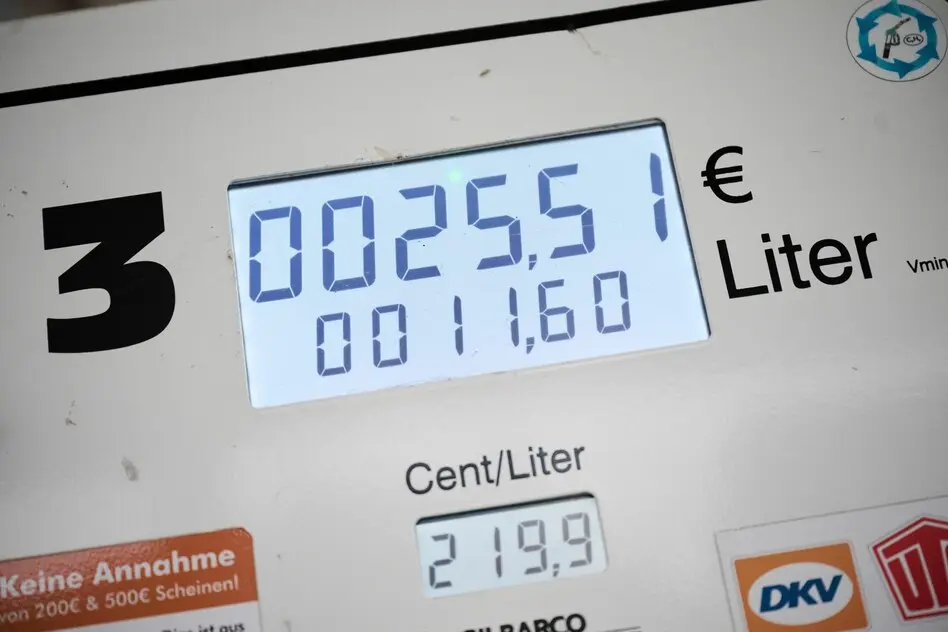
rtr | In the debate about relief, a large majority of Germans support a government price cap for gasoline and diesel. In second place in the ranking is an excess profits tax for oil companies, ahead of a reduction in the energy tax on fuels, according to a survey by Nuremberg market researchers from the NIM Institute, which was available to the Reuters news agency on Sunday. At the end of the year, the current fuel discount, which has been intended to save drivers up to around 17 cents per liter since October, will expire.
The federal government is currently discussing details of the fuel price cap, which should provide further relief from January 2027, if possible. However, the draft law from Economics Minister Katherina Reiche (CDU) is encountering massive resistance from her coalition partner, the SPD. “If the cap only takes effect when prices have long since exploded, relief for people will come far too late,” said SPD General Secretary Tim Klüssendorf recently.
According to the survey of around 1,000 people, 71 percent support a price cap and 66 percent support the introduction of an excess profits tax. This means that these two measures received the highest level of support among five proposals examined. An increase in the commuter allowance (56 percent) or state direct payments to low-income drivers (52 percent) are also supported by a majority, but are generally less in demand.
According to the survey, approval of the measures is also linked to who people hold responsible for the price increases. 82 percent see the war in the Middle East as a strong influencing factor. Three out of four respondents also blame the higher profit margins of oil companies and gas stations for the high prices. These people are therefore more likely to advocate for an excess profits tax or a government price cap than respondents who do not believe this to be a strong influencing factor.
“If you want to understand why people support certain relief measures, you should also ask who they attribute responsibility for price increases,” explained Katharina Gangl, director at the Nuremberg Institute for Market Decisions (NIM). “More transparent information from the Federal Cartel Office on the share of gross margins per liter would in any case help to objectify the debate and the question of guilt.”
According to the survey, high fuel prices are already leading to behavioral changes among drivers. 39 percent said they had driven less often in the past six months. Around 28 percent reported a more fuel-efficient driving style. Seven percent have therefore bought or leased an electric car or are planning to make such a switch in the next six months.