
Germany taz
Ex-Green MP Schmidberger: “It feels like a farewell at the wrong time”
The Kreuzberg Green Party Katrin Schmidberger fought for a fair rent policy. She is not a member of the new Berlin parliament - she still wants to get involved. more...
Deutsch (original) ·Auto-translated to English
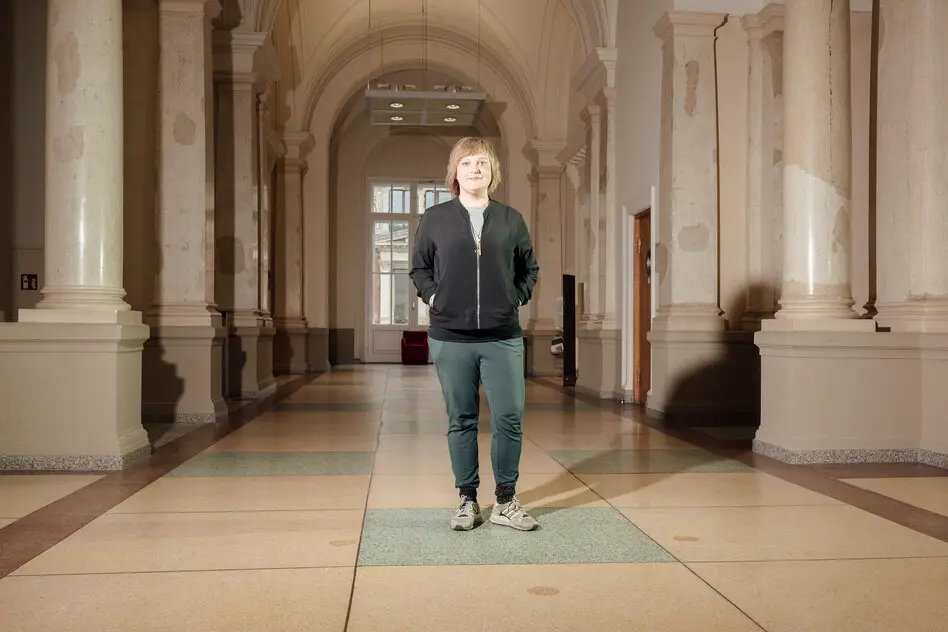
taz: Ms. Schmidberger, in the current coalition talks you are currently negotiating, among other things, the concrete implementation of socialization. A goal that you have fought for for years, including within the Green Party. How does that feel?
Katrin Schmidberger: It could be historic, now there is an implementation perspective, although I find it astonishing how quickly a compromise was reached here. However, the threshold of a deductible of 10,000 apartments is very high. A purchase program and other effective instruments are therefore needed. I won't let up, the goal must be to transfer as many apartments as possible to state ownership.
taz: In the coming legislature you will no longer be a member of the House of Representatives; like many party colleagues, you have lost your direct mandate in the Kreuzberg constituency to left-wing candidates. You didn't have a place on the list. Are you also a little wistful about this?
Schmidberger: Emotionally, to be honest, it feels a bit like saying goodbye at the wrong time. To no longer be in parliament now, of all times, when we can finally shape things again. The opposition years were tough: We had the concepts, but had to watch as black and red let the tenants down. But now even more needs to be delivered.
taz: How do you look back on your work as a parliamentarian?
Schmidberger: I've always tried to be there for people locally: with problems with landlords, but also with a lack of park benches, too much garbage or threatened neighborhood shops. I am particularly proud of the house communities and neighborhood shops that have been saved. For me it was always about not just making parliamentary initiatives or fancy Insta videos, but also about helping in a very practical way.
taz: You were elected to the House of Representatives for the first time in 2011. At that time, Klaus Wowereit ruled together with the CDU, the Greens were in opposition. How did you experience that time back then?
Schmidberger: Wowereit said back then that there was no right to the city center. The previous years were characterized by sell-outs, neoliberal policies and deregulation and a change in thinking only slowly began. It was always clear to me that I wanted a housing market oriented towards the common good and to make amends for Berlin's historical mistakes, be it the sell-off of the state-owned housing stock or the banking scandal. In the opposition we had little room for maneuver. As a young new MP, I had to build networks and expertise step by step. Parliamentary work doesn't learn itself either. That's a bit of learning by doing.
taz: What was the relationship to the rent movement during your time as a parliamentarian?
Schmidberger: The first initiative I worked with was Kotti and Co. They later put forward many central campaigns and demands with the rent referendum. This gradually gave rise to a city-wide rent movement. I always found that so encouraging that I was allowed to be part of it. It is clear that the streets and parliament only work together, and we have to fight on equal terms, but all together in our role. Without the pressure of the movement and the support of many people - including my work back then - there would have been neither the rent cap nor socialization now.
taz: The successful rent referendum in 2015 was also a blueprint for the Expropriate DW initiative. You were instrumental in ensuring that the Greens supported the implementation of the socialization referendum. How did the Berlin Greens manage to establish rent policy?
Schmidberger: With persistence and good arguments. There were a lot of fights within the party. When I joined the parliamentary group, they said, yes, Katrin, you in Kreuzberg with your high rents, that's just a problem in the city center. After 15 years, the rent crisis has unfortunately reached the entire city, and at some point everyone had to admit that the issue of housing and rents concerns green voters. Anyone who no longer knows how to pay the rent has no idea about climate protection or a change in transport. Social security is the prerequisite for ecological policy.
taz: Aside from the voters' personal concerns, why shouldn't the Greens leave the issue of rents solely to the left?
Schmidberger: I was constantly asked that during the election campaign. My answer: We Greens always make housing policy ecological. The many heat deaths this summer tragically show how urgent this is. I know a lot of tenants who have suffered in heat-stressed apartments in recent years. They rightly expect that politicians will provide solutions and rebuild the city to be climate-resilient. In addition, there is the second rent due to the high gas, oil and electricity prices, which are becoming more and more depressing.
taz: Where do you see the reason why the Left was able to successfully position itself as a rental party in the election campaign, but the Greens were not?
Schmidberger: The Left has extremely good campaign skills and has focused on the issue for years. You have to acknowledge that. It was a mistake that we as a party and group did not put housing and rents at the forefront. In addition, unlike the left, we do not have a federal level that is as progressive as the state association when it comes to housing. There was little support and even defensiveness when it came to both the rent cap and socialization. That damaged our credibility.
Katrin Schmidberger is 44 years old and has been a member of the House of Representatives for the Greens since 2011, where she was her parliamentary group's spokesperson for rent and housing. Previously, the woman from Kreuzberg worked in Hans-Christian Ströbele's Bundestag office for eight years. In the 2026 House of Representatives election, she lost in her Kreuzberg constituency to the leftist Michael Efler.
taz: In addition to you, Vasili Franco, an experienced domestic politician and also a prominent representative of the left wing of the party, is no longer in parliament. What is the situation now with the left wing of the party in the new Green parliamentary group?
Schmidberger: If we go into government now, good government work will be a priority. In the last coalitions, I have seen that wing politics play less of a role. The left wing still remains strong. There are a lot of left-wing, cool people in our party who are following the same course as me and are determined to continue it. Politics never depends on individual people.
taz: Has it already been decided who will take over your role as rent policy spokesperson?
Schmidberger: Not yet. But there are many good people in the group, including committed new MPs from the Green Youth or Julian Schwarze, who could move up to the House of Representatives.
taz: Schwarze has previously been a spokesman for urban development and can also be placed in the left wing of the party.
Schmidberger: Yes and very technically experienced. Housing, rents and urban development are closely related. In addition to socialization, we urgently need to expand the housing market oriented towards the common good so that, following the Vienna model, more than 50 percent of all apartments are permanently affordable and protected from exploitation and speculation. We therefore urgently need to strengthen cooperatives.
taz: After 15 years in the House of Representatives, a lot of knowledge has been accumulated. Socialization, rent registers and not to forget the many house communities that you have supported that are threatened with displacement. How does such knowledge transfer work?
Schmidberger: We have founded a small strategy group to reorganize the issue of renting and housing within the party. Whoever takes on the topic can continue to count on me. Just watching from the sidelines is not for me. I want what I have fought for for so long to be implemented now.
taz: What are you planning for your future? Do you want to return to parliamentary work?
Schmidberger: I am a political person through and through and have been doing politics since I was 16. I won't stop now. I continue to stand by the tenants, am currently also advising on acute cases, hope to be able to directly support a few more house communities and will keep a close eye on this coalition, both in terms of socialization and protection against displacement. Because we have an obligation to Berliners and democracy to show that there is an alternative to the shift to the right and that we can really make life a little fairer.