
World · taz · · 2h
EU sanctions against Russia: success for two Russian billionaires
Deutsch (original) · Auto-translated to English
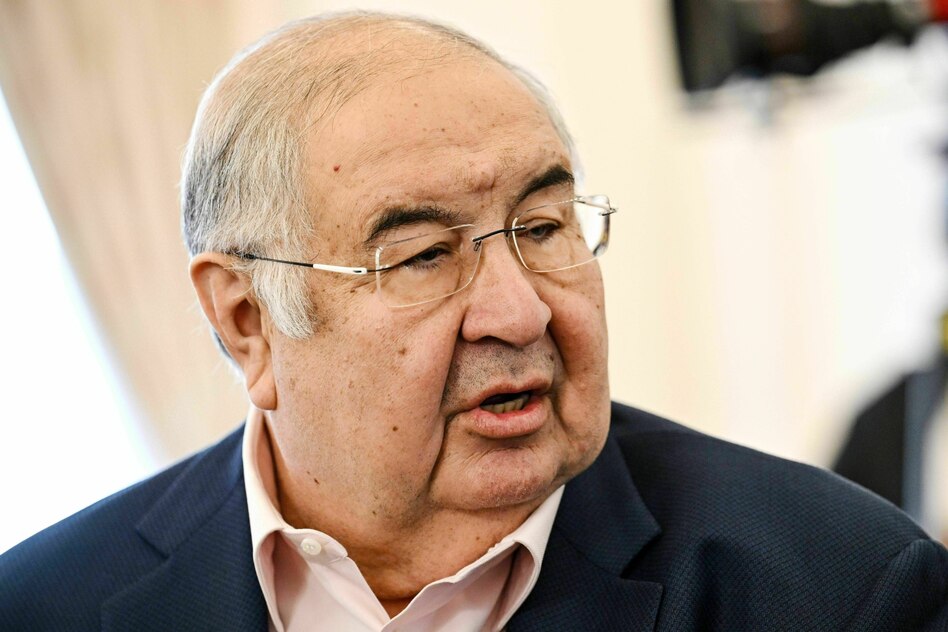
The EU sanctions against Russia have long been a bone of contention. Until now, the dispute usually ended when the 27 member states agreed on new punitive measures. This time it is different: The EU decision to remove the two Russian billionaires Alisher Usmanov and Mikhail Fridman from the sanctions list is causing outrage in Ukraine, but also beyond.
Ukrainian Foreign Minister Andriy Sybiha called the decision on X (formerly Twitter) shameful and unjustifiable. “Moscow is celebrating,” he explained. The EU states should now impose their own national sanctions against the two oligarchs. Latvia apparently wants to follow this appeal. EU diplomats in Brussels spoke of a precedent and warned of possible consequences.
However, this is not the first time that Russian oligarchs have been “delisted.” In addition, the hardliners in the EU can also claim success: the around 3,000 sanctions against people and organizations in Russia have been extended for an unusually long time. So far it's usually been about six to twelve months. This time the EU decided to extend the penalties by three years.
This prevents new disputes from breaking out in Brussels with each extension. So far, Hungary and Slovakia have mostly stood in the way when sanctions should be extended. This time it was France, Slovakia and Luxembourg. These three EU countries used the deadline to make surprising demands that, from the perspective of Ukraine and Latvia, were outrageous.
The French government demanded that Usmanov be removed from the criminal list. According to EU diplomats, Paris wanted to free two French people imprisoned in Azerbaijan - Baku had demanded Usmanov's delisting as a precondition. Critics speak of blackmail in this context. The government in Baku rejects this.
France justifies its demand with questions of “national security” without going into detail. Luxemburg explained that if Paris got an extra treat, Fridman would also have to be removed from the sanctions list. Fridman has sued Luxembourg for compensation of around 16 billion euros because of the freezing of his assets stored there.
Slovakia supported these demands. In contrast, they were rejected by most EU states. The EU sanctions against Russia must be tightened, not weakened, it was said. The EU foreign affairs representative Kaja Kallas also supported this. The positions became so hardened that the deadline for extending the sanctions had to be extended by a week.
In the end, the 27 EU states were faced with the alternative of giving in to the demands of France and Luxembourg in two cases - or risking the expiry of 3,000 sanctions. Before this election, Latvia finally gave in. However, several emergency meetings of the EU ambassadors in Brussels and hectic consultations with the national capitals were necessary beforehand.
Even after the agreement, which was reached late in the afternoon, tempers have not calmed down. Estonia has demanded a public explanation from France for its unusual actions. The deletion sends a very bad signal at a very wrong time, said Estonian Foreign Minister Margus Tsahkna. The concern is that the EU has made itself vulnerable to blackmail.
However, there is also another reading. Accordingly, sanctions are not an end in themselves to punish a country - but rather a powerful lever to achieve important foreign policy goals. You can't just constantly tighten the penalties, like the EU, which imposed its 21st package of sanctions against Russia in July. They can also be relaxed if this promises advantages.
France proceeded according to this logic, but was apparently primarily concerned with national advantage. This is not unusual – the USA thinks the same way. With the 21st sanctions package, Germany also brought national interests into play - and initially canceled planned EU sanctions against Russian fish exports. Back then it wasn't about an oligarch, but about the Germans' favorite food: fish fingers.
Read the full story at the source
Source: taz