
Germany taz
First German women's shelter: A villa for women in need
The first German women's shelter opened in Berlin 50 years ago. Today, similar facilities provide protection to thousands of women and children every year. more...
Deutsch (original) ·Auto-translated to English
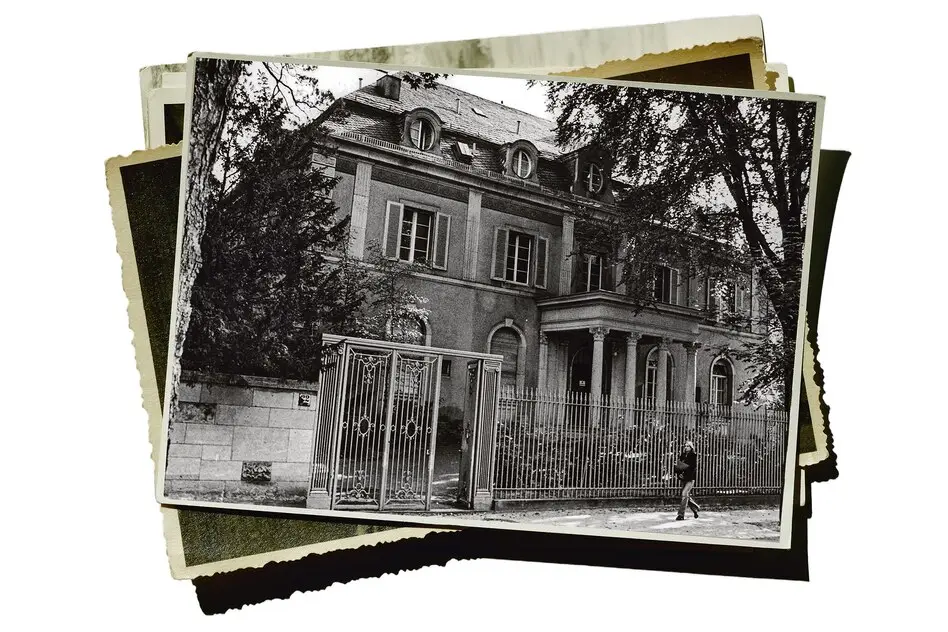
The feminists were just thinking about how they wanted to set up and equip Germany's first women's shelter. It was October 2, 1976, a month away from the opening. They wanted to use October to prepare as well as possible. But on that day the first woman stood at the door of the villa in Berlin-Grunewald. “We were overrun from the start and had to clarify all organizational issues during ongoing operations,” says Karin Kaltenberg-Wulf, one of the founders, in an interview with the Women’s Shelter Coordination Association.
The first German women's shelter was officially opened on November 1, 1976. That was 50 years ago now. The first women's shelter was followed by others: in Cologne in the same year, and the following year in Hamburg and Bielefeld. Across Germany, women's shelters have become a refuge for those who suffer from or are at risk of domestic or partner violence.
The founding in Berlin was a success of the autonomous women's shelter movement. It developed in many large cities as a result of the international women's movement of the 1970s. Karin Kaltenberg-Wulf describes herself as a “women’s movement woman from the very beginning”. She had fought for the house for several years with sociologists, psychologists, social workers and a lawyer. They knew the idea from London, where there were already numerous women's shelters in 1976. Some women visited the accommodation there, they reported that the houses were overcrowded; the need was obviously there.
In the Berlin villa there were 12 rooms for the residents on 660 square meters with up to 10 bunk beds. At weddings, around 15 people lived in a 20 square meter room. There was a room for the children to play, a school work room and a kindergarten. The house's approximately 20 employees provided telephone services day and night. Today, the addresses of women's shelters are kept secret to protect those affected. At that time, the address of the women's shelter was in the newspaper. Several arson attacks followed and the house had to be closely monitored.
Karin Kaltenberg-Wulf says that there should be no hierarchy between women in the women's shelter. But the initiators themselves brought with them unconscious prejudices, such as that domestic violence is primarily a problem for so-called lower-class women. “One of the very first residents was the wife of a well-known public prosecutor,” she says. That showed “how little we knew what was coming.”
The first German women's shelter existed until 2000, when it was closed, among other things because the villa needed to be renovated. In 2022, a memorial plaque was unveiled on its facade. She remembers the feminists who ran the house “autonomously, in solidarity and without hierarchy with the residents”. Thousands of women and their children found “protection, recognition, self-determination and perspective” there.
Today there are 10 women's shelters in Berlin and around 400 nationwide. According to the women's shelter coordination, around 13,400 women and 15,300 children found protection there in 2025. Marlene Thaler
How does change begin? Every week at this point we tell you about a historical moment that triggered something.