
Germany · taz · · 38m
Energy transition: standing up against the gas cost trap
Deutsch (original) · Auto-translated to English
The election results in Saxony-Anhalt are still fresh in our minds, we hope that things will turn out better in Mecklenburg-Western Pomerania and Berlin on Sunday, and in the days that follow, political Berlin is whispering about a possible Chancellor earthquake. It is currently difficult to concentrate on energy issues.
Unfortunately, the oil and gas price crisis continues unabated. The Strait of Hormuz is still closed, the Bab al-Mandab Strait is now under Houthis control, and the Saudi east-west oil pipeline has been bombed by Iraqi militias. If your head is spinning now and you have to look in your Diercke atlas to see where everything is: That's very understandable. Even recognized experts in the Arab region no longer make reliable forecasts about what will happen where since US President Donald Trump started the Iran war in March.
But one thing is constant: oil and gas are becoming more expensive, renewable energy is becoming cheaper. Here are three numbers: Petrol and diesel currently cost around 2.50 euros. For the older ones among us: That's 5 marks, and that was a green demand 20 years ago. Now the price comes without any ecological tax reform - but the money flows towards oil companies instead of for useful purposes. At the same time, the gas price on the stock exchange has more than doubled since the beginning of the year and is back to the level of the crisis winter of 2022/23. In contrast, the already cheap wind power costs have fallen again; wind and solar power are now available for just 5 cents per kilowatt hour.
Everyone needs energy. Switching to solar, wind, etc. can make them more climate-friendly, more democratic and cheaper. But the fossil fuel lobby is stubbornly fighting for survival. Patrick Graichen regularly explains how energy policy works here. He was State Secretary for Economic Affairs under Robert Habeck and co-founder of the think tank Agora Energiewende. Today he is a consultant, supervisory board member and blogger.
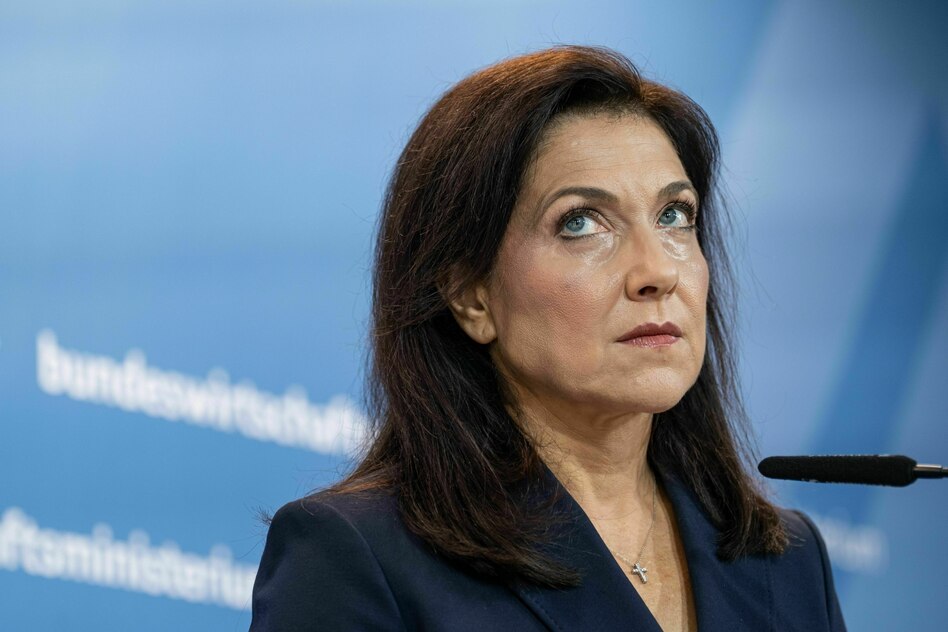
What does this have to do with German energy policy? Unfortunately, a lot. Economics Minister Katherina Reiche not only failed to have the gas storage tanks properly filled before winter. The CDU politician has also presented two laws that will be voted on in the Bundestag at the beginning of October: the network package and a reform of the Renewable Energy Act. The details are complicated (if you want to know more, you will find it on my blog), but essentially they boil down to two things: On the one hand, the grid connection right for new wind and solar systems should be abolished wherever the power grid can “only” transport 95 percent of the electricity. This threatens a large part of the expansion of wind power, especially in northern Germany.
And on the other hand, new solar systems on roofs should no longer receive any compensation for the electricity they feed into. This means that rooftop solar systems are only worthwhile if you use almost all of the electricity yourself. Consequence of the two bills: Renewables are slowed down, expensive gas drives up electricity prices, Germany remains dependent on unsafe oil and gas, municipalities lose income.
This column wants to start with a “What to do?” end. This time I would like to motivate you to get involved politically. If you live in Berlin: A large demonstration against Reiche's plans is planned at the Brandenburg Gate on October 9th. For everyone else: Contact your local members of the Bundestag from the CDU, CSU and SPD and tell them that what is on the table is not at all in your interest and that of your region. We have a hard time with this government - but it would be absurd to choke off renewables in the middle of the oil and gas price crisis. With this in mind: take action now!
Read the full story at the source
Source: taz