
Germany · taz · 7h
A process to participate in: Working together on the path to legal peace
Deutsch (original) · Auto-translated to English
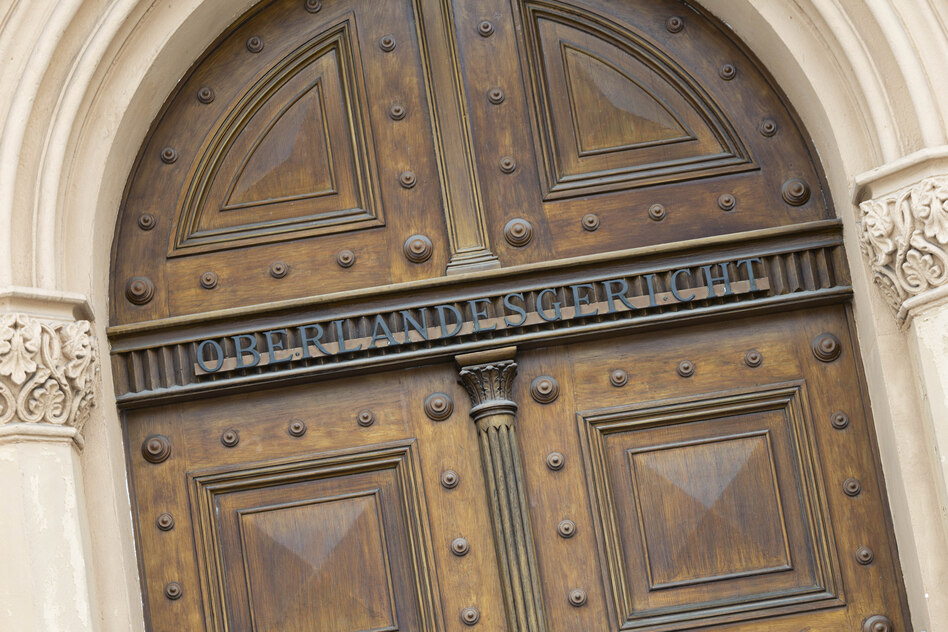
All witnesses and even the expert are part of the team at the Celle Higher Regional Court. In the dock, his vice president cheerfully acts as if he were a half-witted plastic surgeon who failed a bodybuilder's silicone treatment. A judge has sat down next to him, playing his hot-tempered defense attorney. And at the front sits a judge who pretends to be a single judge at the district court, although she is currently working as a presidential advisor at the largest higher regional court in Lower Saxony.
4.1 million people live in its district. Previously, in the 19th century, it extended to Detmold, but never to the Bergisches Land. And yet here on August 31st a case involving Tatort Solingen will be heard, albeit slightly modified. Not pimped up with flashy appearances in order to create drama like in the TV court, but rather stripped down in order to make the process manageable in terms of time and effort and suitable for young people: In reality, the injured party had died from the treatment.
“That seemed too violent to us,” explains court spokeswoman Alina Stillahn. Because the audience is real in this show process. You can use your smartphone to vote on how you evaluate statements and evidence.
This text first appeared in wochentaz, our weekly newspaper from the left!
Every week, wochentaz is about the world as it is – and as it could be. A left-wing weekly newspaper with a voice, attitude and the special taz view of the world. New every Saturday at the kiosk and of course by subscription.
There was no age restriction. That would have been counterproductive: “We want to make the rule of law tangible here,” says OLG President Stefanie Otte in her welcome. It's hard to start too early: schoolchildren have also dared to enter the awe-inspiring building, and a few young people have come. But there would still have been space in room 53. “We have to promote the format even more intensively,” the court said. Follow-up dates have not yet been set.
But the need is there. There are gaps in understanding, especially when it comes to the question of how jurisprudence works, what it is supposed to do and why judges come to their judgments.
This is evidenced by statements by Federal Interior Minister Alexander Dobrindt (CSU), who despite them is sticking to illegal rejections at the border, as well as Google reviews: “The reviews paint a predominantly negative picture,” says the AI, summarizing the user comments in a review portal for the Celle Higher Regional Court. Judgments are “perceived as unfair,” according to the machine’s summary.
Logical: Anyone who has hoped for justice and hasn't even gotten justice is frustrated, whether with or without reason. This creates dangerous anger and fuels the longing for the total arbiter who sees everything and “will leave nothing unavenged,” as the medieval hymn says.
The trial in Celle is part of the “Week of Justice”, which the Lower Saxony Ministry of Justice has announced for the third time in order to counteract the myth of the day of reckoning. Most of their events are discursive, but the Braunschweig Social Court and the Hanover Regional Court have also relied on playful, participatory judging.
“You be the Judge” is the name of the format in Celle based on a British web project. However, there is no room here to indulge in merciless desires for revenge because it collectivizes the decision. Everyone seems to have logged into the survey app using a QR code. As soon as the answer options are activated, the yes-no-don't-know bars appear on the front of the flat screen: Look, it's not just your own prejudice that can be confirmed or shaken by statements.
The feeling of being an anonymous part of the same thought process arises when you sit together in the same room. And it lowers the threshold for afterwards reflecting with the professionals: Would a few more pieces of evidence have been useful, how such a sentence is arrived at and whether a professional ban means double punishment? Curious rather than controversial, this makes it clear: justice only exists in heaven. But establishing legal peace is possible.
Read the full story at the source →
Source: taz