
Germany taz
German sect settlement in Chile: “In front of everyone, still”
A comprehensive exhibition on the crimes of the former “Colonia Dignidad” opens in Santiago. There is still no memorial. more...
Deutsch (original) ·Auto-translated to English
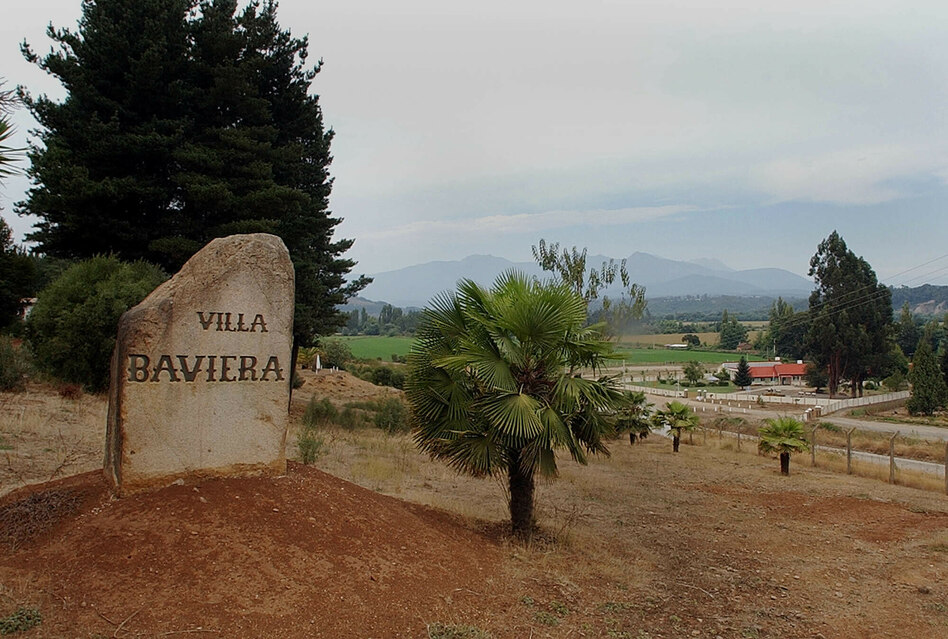
A bilingual multimedia special exhibition about the Colonia Dignidad opened on Thursday at the Museum of Memory and Human Rights in Santiago de Chile. The exhibition was created as part of a cooperation project between the museum and the Free University of Berlin.
Under the title “A plena luz, todavía” (“In front of everyone, still”), documents, photos, audios, videos and historical objects about the German sect settlement founded in Chile in 1961 will be presented for six months and a media station will be installed that will remain permanently in the museum.
“We shed light on the origins of the settlement in Germany, its history in Chile before, during and after the dictatorship,” explains historian Evelyn Hevia Jordán, who is curating the exhibition on behalf of the FU Berlin. “It is the first comprehensive exhibition about Colonia Dignidad, a milestone in the history of reappraisal,” emphasizes Hevia Jordán.
Coming to terms with the history of forced labor and sexual violence against residents of Colonia Dignidad, as well as the torture, murder and disappearance of political prisoners on the site during the dictatorship, in which the sect leadership and the DINA secret service worked together, is progressing slowly. In Germany, the legal investigation has had no consequences; in not a single case have charges been brought. To this day there is no memorial or documentation center in the former Colonia Dignidad.
Instead, Villa Baviera, as the settlement is now called, has become a tourist destination with a Bavarian-style hotel and restaurant, which shapes the narrative, the image that the numerous visitors receive about Colonia Dignidad.
The progress of planning for a memorial site has been particularly unclear since the extreme right-wing José Antonio Kast came to power in Chile in March of this year. The Minister of Housing Iván Poduje stopped the plans of the left-wing previous government of Gabriel Boric to expropriate parts of the former Colonia Dignidad in order to build a memorial and documentation center at the historical site.
Kast and Justice Minister Fernando Rabat subsequently declared that Chile would comply with international obligations and indicated that a more “appropriate”, i.e. smaller and cheaper, “form of commemoration” would be conceivable.
But it is also clear that neither Pinochet admirer Kast nor Rabat, who represented Pinochet as a lawyer and recently signed early releases from prison for child rapists and torturers of the dictatorship, have much interest in coming to terms with the human rights violations in Colonia Dignidad. It is now part of Germany's responsibility to more persistently demand the implementation of a memorial site.
The governments of Chile and Germany committed themselves to building a memorial and documentation center in a joint memorandum in 2017 and have been meeting every six months since then in a Chilean-German mixed government commission. Since 2024, the commission has also discussed and supported the construction of the current exhibition in the Museum of Remembrance in Chile. Hevia Jordán sees it as a “positive signal and support for the politics of remembrance” that the Foreign Office has largely taken over the financing, while the museum contributes human resources and the space.
Jordán cannot see any legitimization of the extreme right-wing Kast government in the opening of the exhibition. Rather, it should keep the debates going about the Colonia Dignidad and about “human rights as a fundamental pillar of democracy,” “which are under attack all over the world,” and contribute to the “collective efforts to create a place of remembrance and documentation.”
However, large parts of the material on display could and should later be incorporated into a memorial in the former Colonia Dignidad. In order for this to finally be implemented, concrete measures are needed from both governments, especially the establishment of a foundation or other supporting organization for the establishment of a memorial site.