
Germany taz
Debate about left-wing candidate Eralp: SPD is now even less enthusiastic about red-green-red in Berlin
Critics of a left-wing alliance see themselves confirmed inside and outside the regional association. But state chief Krach is keeping the door open. more...
Deutsch (original) ·Auto-translated to English
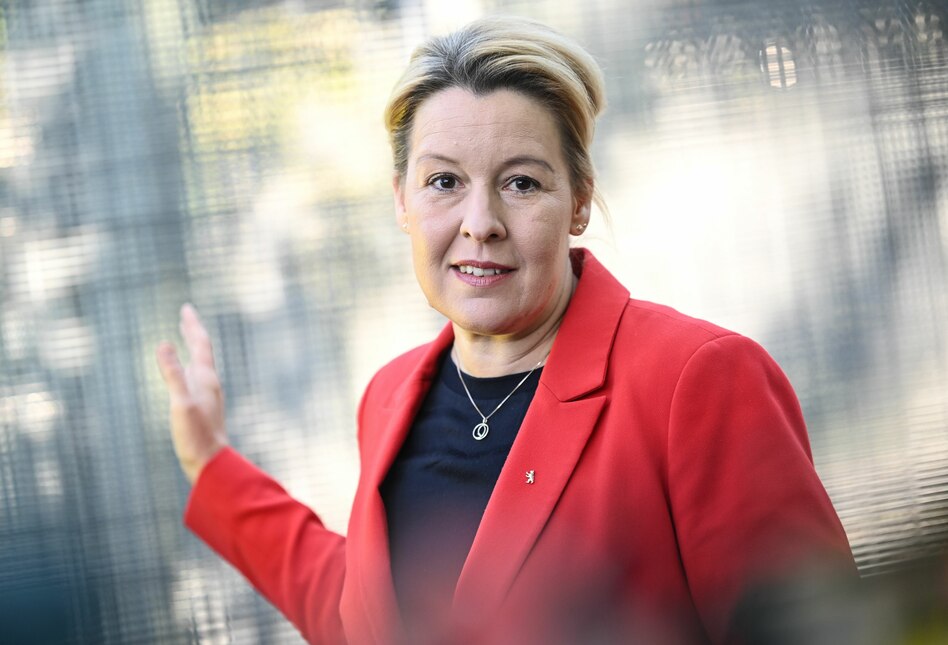
afp/dpa | In the SPD, pressure is growing on the Berlin regional association not to enter into a coalition led by the Left Party. The deputy chairwoman of the SPD parliamentary group, Siemtje Möller, said on Friday in the ARD “Morgenmagazin” that “I wouldn’t do it.” Möller also referred to Spiegel reporting that the left's leading candidate Elif Eralp is afraid of Berlin Hamas sympathizers with connections to the left.
Möller said that, in her opinion, this constellation was not at all politically viable because of the connection between individual leftists and organized crime and the unresolved problems with anti-Semitism. Eralp's fear of supporters of the terrorist organization Hamas shows that the Left's promise of a tough course against anti-Semitism and organized crime made in the exploratory talks with the SPD and the Greens cannot be fulfilled.
The member of the Bundestag also warned the Berlin regional association of the SPD that it should not make the decision about a coalition alone. The Berlin SPD is “not in a vacuum”. Such a coalition will ultimately have an impact on the federal political level and possibly also on the international level. Therefore, the Berlin SPD must coordinate even more closely with the federal party than before.
The parliamentary group leader of the Berlin SPD, Steffen Krach, expressed reservations about the planned coalition negotiations with the Left and the Greens in the ZDF “heute journal” on Thursday evening. It is not clear how the talks will end. “There is no automatic way that we will come to an agreement in the end.” Kraft called the signal that Eralp's fear sent to organized crime as well as to the police and public prosecutor's office "devastating".
Krach also criticized the CDU mayoral candidate Stefan Evers. “To date, Mr. Evers has not invited any exploratory discussions.” Krach said he would have liked it if there had been talks with the CDU relatively quickly after the election to the Berlin House of Representatives. If Evers invites you, he will “of course” go.
Also in the evening, Berlin's Economics Senator Franziska Giffey (SPD) canceled coalition negotiations with the Left and the Greens. Giffey wrote on Instagram that she was asked whether she would be willing to take over the leadership of the economics working group. “I didn’t make the decision lightly, but I have very fundamental criticisms of this alliance.” Therefore, she informed the state chairmen of her party that she was not available to take part in the coalition negotiations for a red-green-red government alliance.
Giffey continued that heading the Economic Working Group would mean not taking a negative position towards this coalition as a whole. However, she came to the conclusion that, due to the numerous points of criticism, she could not credibly represent herself as a negotiator in these coalition negotiations. Your points of criticism include what you see as the still unresolved question of “how to deal with anti-Semitism, the relationship between the left and Islamist networks, organized crime and terrorist supporters, how to deal with socialization and the many promises that have been made but have no financial basis in the Berlin state budget.”
As long as there is no clear clarification here, she is very critical of government cooperation. The developments on Thursday did not help to alleviate their concerns. “They’ve gotten even bigger.”
Despite personal reservations, former Federal President Joachim Gauck believes that the desired formation of a red-green-red government alliance in Berlin is right. “It’s not the government I want,” he said on Thursday evening on the ZDF program “Maybrit Illner”. But the vote is what “gives us the direction first”.
With regard to the accusation against the election winner, the Left Party, that there were anti-Semitic tendencies in parts of the party, he said that she had won the election with a social issue and not with an issue that “the new members from the Palestinian milieus prefer.” There was a clear statement from the population about this. “They just have to try to govern,” said the former Federal President. “The forces that voted differently have to accept that.”
However, Gauck said he was skeptical that the left would succeed in taming its difficult milieus. His gut said that wouldn't work at all.
The Left wants to form a coalition with the SPD and the Greens. Both regional associations want to negotiate with her about this and have not yet deviated from this, even after new doubts about left-wing parliamentary group leader Elif Eralp became known. For its part, the CDU wants to offer the SPD and the Greens further explorations for a black-green-red alliance.