
World taz
Commonwealth summit in Antigua: We're kind of sorry about slavery
Britain rejects demands from Caribbean countries for reparations for the slave trade. The issue dominates the Commonwealth summit in Antigua. more...
Deutsch (original) ·Auto-translated to English
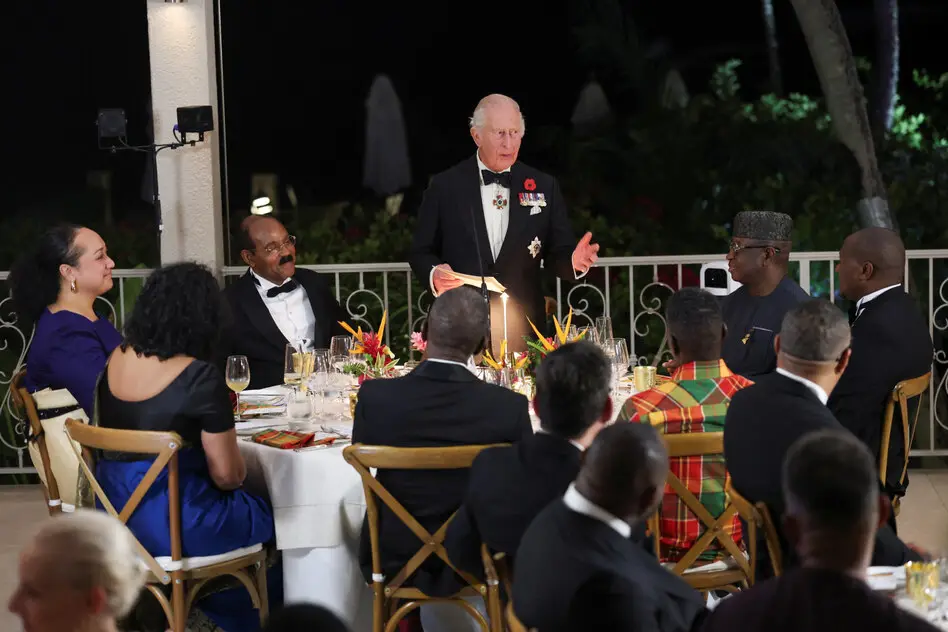
The British King Charles III described it as monstrous and shocking. on Tuesday at the opening of the meeting of the 56 Commonwealth countries in Antigua on Tuesday the enslavement of African people during the transatlantic slave trade. But the word “sorry” wasn’t mentioned. For weeks, representatives of Caribbean states had left no doubt about what they expected from the head of the successor organization to the British Empire at the summit: an apology and reparations from the United Kingdom. Former Dutch Prime Minister Mark Rutte, who apologized for the Netherlands in 2022, serves as a pioneer here.
After King Charles III. and Queen Camilla had visited numerous Caribbean countries before the summit, it was no surprise that Labor Prime Minister Andy Burnham declared his willingness to talk and listen in a newspaper article in the Guardian three days before the summit. We have to face history together, he wrote - but reparations are not up for debate. “I do not believe that the British people today can be held responsible for historical evils, however terrible, which took place in a different era under different laws and in which they had no personal part,” the prime minister wrote. The British Empire also played a leading role in the abolition of the slave trade.
This increased the pressure on Charles III, who had to open the Commonwealth summit. During his 15-minute speech, the king said - as a constitutional monarch he is only authorized to reflect the government's position - that he was personally deeply disturbed by this shameful chapter in history. “My heart is filled with horror and my soul is deeply shaken,” he said. In long sentences he then made it clear that current British generations cannot bear responsibility for the crimes of their ancestors. "We cannot change the actions of those who lived before us. But we can learn from the past."
He then immediately praised the role of the British Navy in stopping the slave trade, after having been responsible for protecting human transport for centuries. You can't control the wind, but you can set the sails correctly. This was followed by calls for commonality across the Commonwealth: education, jobs and opportunities, trade and climate policy.
Was this an apology, a tribute to the abolition of slavery, an offer of cooperation in partnership? The words went further than previous British representatives had gone, yet fell short of what the partners had expected. Gaston Browne, Prime Minister of host Antigua, said at the summit opening that the consequences of enslavement had not simply disappeared over time. It's about honest conversations about shared history and also about demands for reparations. Chairwoman of the Antigua and Barbuda Reparations Commission, Dorbrene O'Marde, called the king's words inadequate.
British Prime Minister Andy Burnham, who is also in Antigua, also emphasized once again that reparations were not up for debate. But it is right to discuss a formal apology. Foreign Secretary Ed Miliband told the BBC that previous British governments had tried to sweep the issue under the carpet. The new policy is now open to an apology, and this would not cost British taxpayers a penny.
For the chairman of the Community of Caribbean States (Caricom), St. Lucia's President Philip J. Pierre, the demand for justice has never been a question of the guilt of individuals, but of states and institutions. “The British state not only tolerated slavery, but legislatively protected and profited from it, and upon abolition, compensated enslavers for the loss of their property, while those once enslaved received neither land, assets, nor compensation, despite demands.”
In a ten-point plan, Caricom calls for, in addition to an apology, development programs for indigenous people in the Caribbean, technology and business programs, repatriation and resettlement programs, help for the development of cultural and remembrance projects, mental health and education programs, debt repayment and financial compensation, and full decolonization.