
Germany taz
Bilger for cell phone speed cameras: tackling the problem at the wrong end
The transport minister wants to take action against cell phone offenders with monocams. Is it about security or a PR campaign and the AI trend? more...
Deutsch (original) ·Auto-translated to English
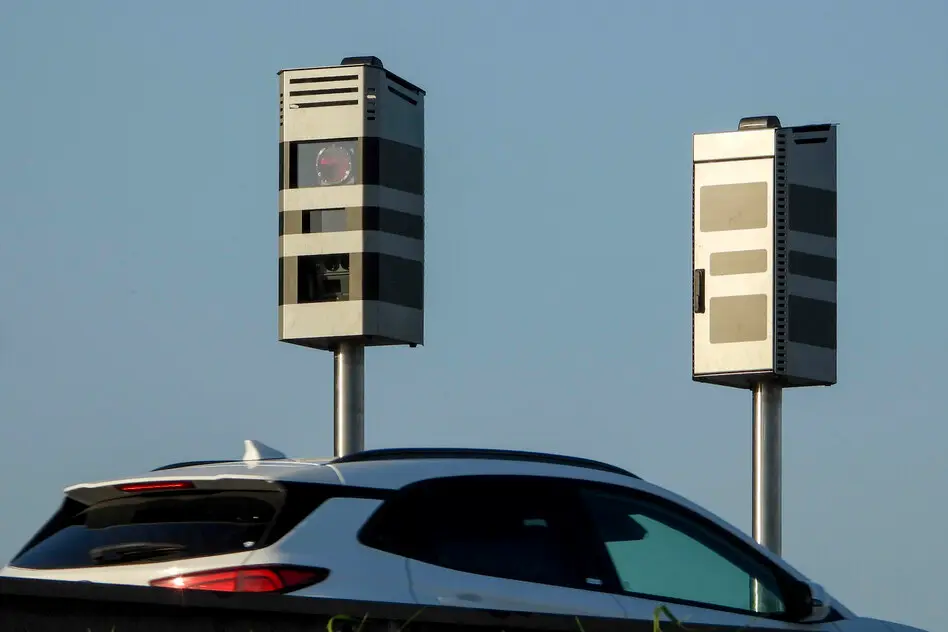
The fact that Transport Minister Steffen Bilger wants to use monocams to take more action against people who use cell phones while driving is plausible given the number of around 1,000 accidents per year. However, if you look at all the accident statistics, the plan seems more like a pseudo-hip “Look, we’re also doing something with AI.” If it were primarily about safety, the focus would have to be on the problem that leads to more than 14 times as many accidents on the roads as smartphones: alcohol.
According to the Federal Statistical Office, in 2024 an accident involving hard drinks occurred every 15 minutes. Bilger's planned introduction of cell phone speed cameras is starting in the wrong place. There is also the problem that – unlike speed cameras – photos are taken before a violation is even determined. Even a coffee cup held suspiciously in your hand could trigger the speed camera. Such recordings then have to be checked manually by officials. So human intervention would still be necessary.
Instead of cell phone speed cameras, it would make much more sense to put a much larger adjustment screw on the agenda and to introduce mandatory alcohol tests that are independent of suspicion. Unfortunately, this is currently not legally possible, but it would be a big advantage for more safety on the roads. Random breath testing based on the Australian model would be conceivable. This would also mean the police would collect less data.
The taz is an independent, left-wing and opinionated daily newspaper. We have been arguing in our comments, essays and debate texts since the taz was founded in 1979. We often cannot and do not want to agree on an opinion. That's why you'll find some completely opposing positions here - all part of the very broad left-wing spectrum of opinions.
The smartphone problem will solve itself sooner or later, because in new cars the cell phone can easily be paired with the existing hands-free system. But if cell phone offenders are going to be targeted, then do it right. In the monocam country of the Netherlands, a smartphone behind the wheel costs 440 euros, not just around 130 euros as here. An increase in fines would also have a deterrent effect on cell phone use while driving, without any AI label or data collection.