
World · taz · · 2h
Fighting poverty in Brazil: money for the poor, hearts for the people
Deutsch (original) · Auto-translated to English
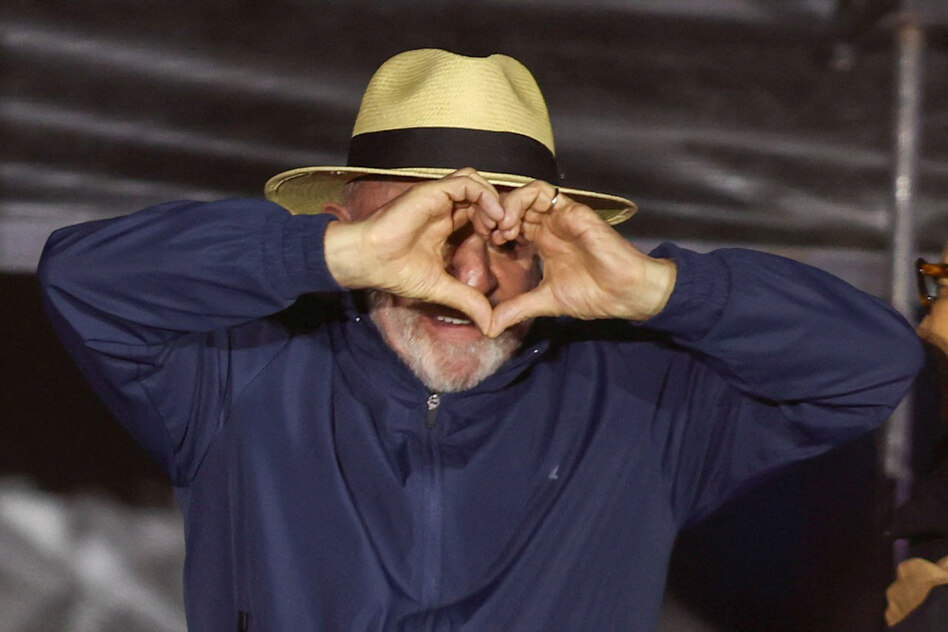
Two weeks before the first vote in the presidential election, Brazil's President Lula (Workers' Party PT) promises the poor more money: From now on there will be 15 percent more social assistance, known in Brazil as Bolsa Família. The higher contributions are to be paid out for the first time in the week before the second round of voting; more than 19 million families will benefit from this.
Lula's announcement comes at a tactically favorable time: challenger Flávio Bolsonaro has overtaken him in some polls for the runoff election and is currently campaigning in the Brazilian northeast - where a particularly large number of social welfare recipients and Lula voters live. The measure will cost the budget 5.8 billion reais this year.
The opposition complains that this is vote buying. Zé Trovão, federal representative and Bolsonaro's party comrade, called on the Supreme Electoral Court to suspend the increase until after the election because it undermines the candidates' equal opportunities.
The judge André Mendonca rejected the application without examining it: As a federal deputy, Trovão was not allowed to submit it. Presidential candidate Renan Santos, however, does. Santos complained to the Supreme Electoral Court that this actually legal adjustment of social assistance rates to inflation rates was now an expression of political interests in the election campaign and therefore not constitutional.
So that no one can think that he is against Bolsa Família, Flavio Bolsonaro immediately emphasized that if he won the election, he would maintain the increase. And he doesn't agree with Zé Trovao's actions. His father, Jair Bolsonaro, even had Congress approve a constitutional amendment in the 2022 election year in order to be able to increase social assistance by 50 percent by the end of the year and introduce further aid with a total cost of more than 40 billion reais. The higher grants should no longer apply in the following year.
Father Bolsonaro did not win the election, Lula came into office, maintained the higher payouts, and the “Kamikaze Law” was declared unconstitutional by the Supreme Federal Court two years later. It is called the “Kamikaze Law” because, among other things, the country’s debt brake had to be suspended. After the radical increase, the Lula government has not adjusted the amounts again to inflation since then.
But even if the increase is constitutional, it will cost the 2027 state budget more than 22 billion, which is not covered solely by the fact that the number of recipients has fallen by two million in recent years. Since the established budget framework cannot be exceeded, part of the sum should come from surpluses in the social security system, and further savings options are being examined.
Lula assures that the measures will not stimulate inflation. Financial experts such as investment banker Gabriel Barros criticize the approach as unsustainable: In addition to increased social assistance, the PT government had already introduced a debt repayment program this year and exempted households with incomes of up to 5,000 reais from income tax. So far, this has not resulted in any vote gain. 73 percent of recipients vote for Lula anyway, as a survey by the BTG Nexus Institute in September shows. But it's not about votes, says the government. The aim is to take care of the people.
Lula's government has already achieved one thing with the increased social welfare: it has dominated the public discourse for days and has pushed the serious judicial crisis at the Supreme Court that is shaking the country into the background: For the first time in weeks, the government is again the topic of conversation in a positive context.
Read the full story at the source
Source: taz