
Germany · taz · · 2h
Poverty while studying: half of the money goes to rent
Deutsch (original) · Auto-translated to English
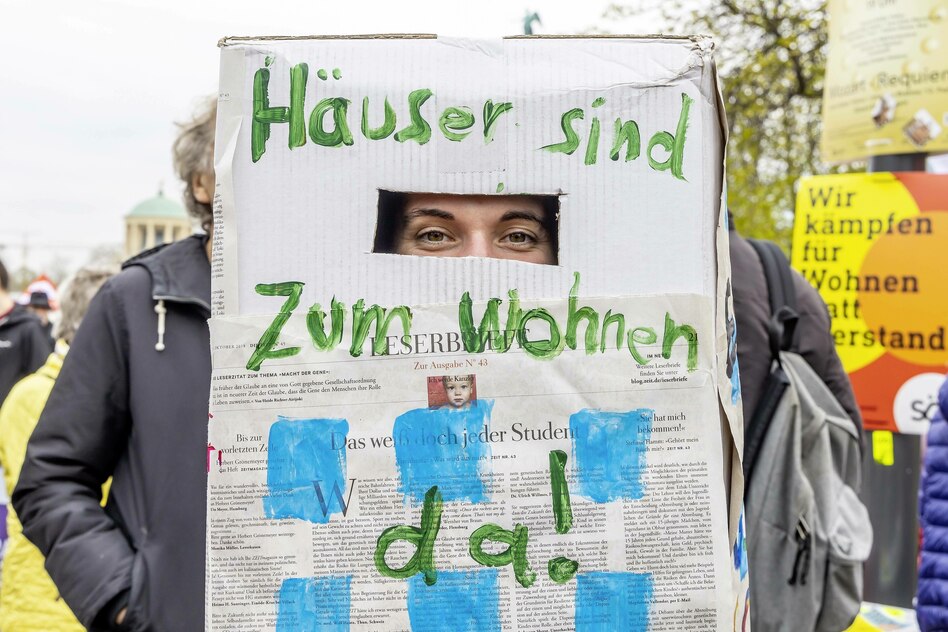
The new semester starts at the beginning of October at most universities. For many young people, the question then arises as to whether they can still afford to study. According to a current analysis by the Paritätischer Wohlfahrtsverband, almost 40 percent of students live below the poverty line. In the total population the number is 16 percent. This makes students one of the groups most affected by poverty in Germany.
“Poverty during studies is not a peripheral problem, but a structural one,” says study author Greta Schabram from the Joint Association of Students. She presents the results together with the German Student Union. “Housing costs in particular are a driver of poverty,” says Schabram. The analysis is based on data from the 2025 microcensus. It is particularly difficult for those students who live alone: more than eight out of ten of them live below the poverty line.
Those living alone have to pay almost half of their available money for rent. Housing is considered affordable if a maximum of a third of the net household income is spent on rent. This shows the precarious situation of students particularly clearly, says Schabram. Because with other living arrangements - such as with parents or roommates - their income is also included in the household income.
Schabram demonstrates the situation using the numbers: those who live alone while studying have a median housing cost of 461 euros. However, the current Bafög housing allowance is only 380 euros – 81 euros less. "And these are the figures for all of Germany. If we looked at large cities like Berlin, it would be even more dramatic," says Schabram.
Matthias Anbuhl, Chairman of the Board of the German Student Union, adds from his practical experience in social counseling for students: “Financial hardship is a problem for many students.” Many people have to work part-time in order to be able to afford their studies: “For people who live alone, over 40 percent of their income comes from their own employment,” says Anbuhl. If you have to work to that extent for food and rent, your studies will almost inevitably suffer.
Despite rising housing and living costs, the number of people receiving student loans is falling: in 2025, only 300,000 students received funding on average per month. “This is the lowest it has been in 20 years,” says Joachim Rock, general manager of the Joint Association. At the same time, the number of students has grown.
This is also due to the fact that 70 percent of those who are actually eligible for BAföG do not take advantage of the funding, says Rock. There are several reasons for this: "For example, how complex the application is. This can be a big hurdle, especially for people from non-academic families," says Rock.
“Many people underestimate their demands,” says Matthias Anbuhl from the student union. Or they didn't know that the Bafög repayment is capped at 10,000 euros. For others, this is exactly what puts them off. “If the poorest students don’t take student loans, the reason is often the fear of indebtedness,” says Anbuhl.
Rock emphasizes: Anyone who is eligible for BAföG will not receive any other basic security. “Bafög must therefore be able to secure one’s existence,” says Rock. But that's not it, as the current analysis also shows. The planned Bafög amendment, which is about to go through the parliamentary process, improves some things. But the steps are not far-reaching enough for education policy experts. For example, the flat rate housing allowance is to be increased, but it is based on figures from 2024. “So we are keeping up with the cost of living,” says Rock.
Read the full story at the source
Source: taz