
Germany taz
House of Representatives debate on November 9th: A foretaste of what is to come
In their speeches on the subject of anti-Semitism, Elif Eralp (Left Party) and Stefan Evers (CDU) show who will fight the key duels in the future. more...
Deutsch (original) ·Auto-translated to English
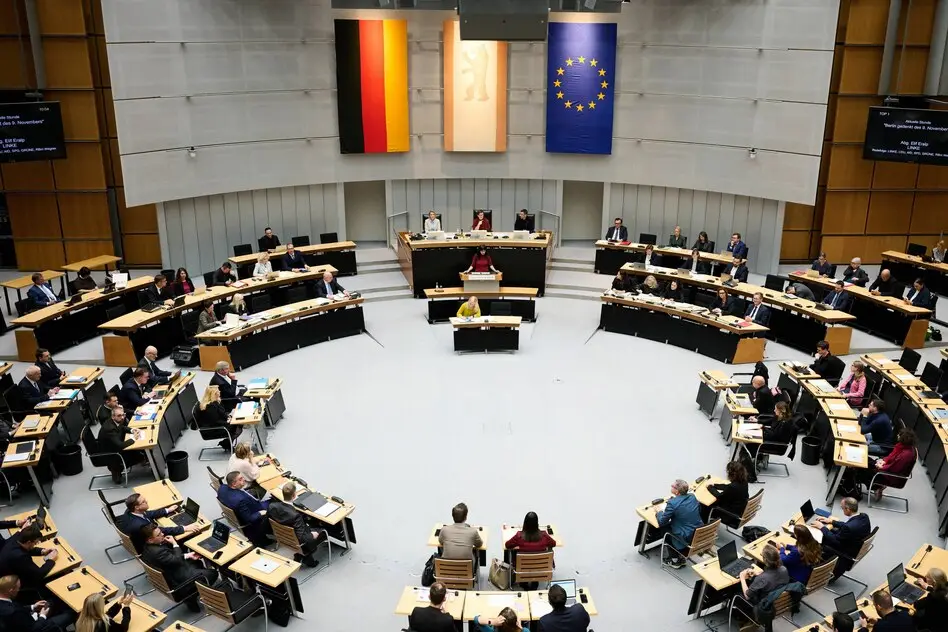
They will shape parliamentary debates in the near future – in whatever role. When Stefan Evers stands at the microphone in the plenary hall on Thursday, not as dual senator for finance and culture, but as CDU parliamentary group leader, he speaks directly behind the woman who, like him, wants to be the head of the Berlin state government.
Elif Eralp (Left Party) has just opened the debate about the meaning of November 9th and highlighted the topic of anti-Semitism for this multiple day of remembrance. Unfortunately, this can be found in all social and political milieus. “We have to take consistent action against this,” she says, receiving applause not from Evers, but from his CDU party friend Cornelia Seibeld, the Vice President of Parliament.
What sounds presidential at this moment and fits Eralp's desired role as Governing Mayor quickly changes to the speech of a parliamentary group leader - her current role. Eralp attacks the CDU, recalls its joint vote with the AfD on a motion in the Bundestag at the beginning of 2025 and suspected CDU votes in the election of the AfD state parliament president in Saxony-Anhalt.
Eralp reports that he received a lot of support at the November 9th memorial event. Many would associate her and a red-green-red government with the hope of a better life, she says. She follows this with words that make you sit up and take notice: “… and that’s exactly why I’m continuing.” Did Eralp want to quit? And with what exactly? That remains open, because Evers is already on the microphone as the next speaker.
He also begins in a more presidential manner and calls for moral courage when Jews are attacked. “Who gets up when it’s easier to stay seated?” asks the CDU parliamentary group leader in the plenary hall. No day poses this question more clearly than November 9th - 88 years ago, the systematic extermination of Jews began with planned attacks on synagogues and Jewish shops.
Evers points out that since the Hamas massacre in October 2023, the number of anti-Semitic incidents in Berlin has exploded. According to figures from the Rias research center, there were 2,197 in 2025. That's why he's "stunned" by what's currently happening, he says - and brings up the ongoing negotiations about a red-green-red coalition under Eralp's leadership. Left Party MP Vanessa Emde, who denies Israel's right to exist, cannot be seen in the plenary hall.
From Evers’ point of view, they don’t take enough action against anti-Semitism there. “Protecting Jewish life is not a bonus that is agreed upon after long negotiations,” he says. This alludes to a paper that was rather tenuously negotiated before the first explorations, in which the Left Party, the Greens and the SPD distance themselves from anti-Semitism.
Green parliamentary group leader Werner Graf sees it very differently than Evers when he takes the microphone a little later. He knows that “many people look with uncertainty and skepticism at what we are currently negotiating with the Left and the SPD.” But from Graf's point of view, they can be reassured: The Greens would not join such an alliance "if we were not sure that the new government coalition is clear in the fight against anti-Semitism."
The final words come from a man who will no longer play a leading role in future arguments in the plenary hall: CDU man Kai Wegner, who remains the governing mayor almost two months after the House of Representatives election. This morning, however, he manages to make clear a gap between the possible future allies.
Because Wegner says that the Berlin police deserve “applause for their commitment to protecting Jewish life.” As far as can be seen from the press gallery, this was almost universally applauded by members of the CDU and AfD as well as MPs from the Greens and SPD, but not the left-wing faction. Only after several seconds of applause from the other factions did Elif Eralp join in.
Parliament is scheduled to meet three more times, as it did this Thursday, in front of a row of Senate seats with a black and red line-up. According to the coalition negotiators' schedule, Eralp would finally be elected head of government at the end of January.