
World Pressenza
5th Cordillera Festival of Festivals: Celebrating Cultural Diversity, Preserving Heritage, and Strengthening One Cordilleran Identity
The sound of gongs echoed through the streets of Baguio City as dancers in traditional attire moved through Session Road, each step carrying stories passed down through generations. The city became mo
English (original) ·Read in Deutsch ⇄
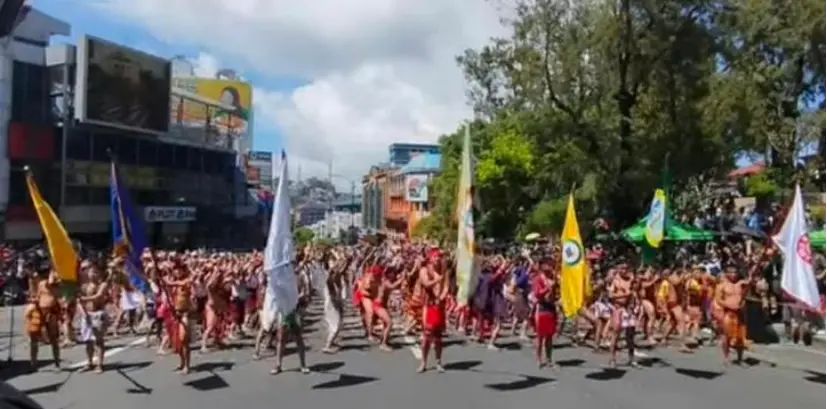
The sound of gongs echoed through the streets of Baguio City as dancers in traditional attire moved through Session Road, each step carrying stories passed down through generations. The city became more than a parade venue; it transformed into a living stage where the Cordillera’s diverse festivals converged in one vibrant celebration of culture, heritage, and unity.
On October 17, 2026, hundreds of performers from the region’s six provinces– Abra, Apayao, Benguet, Ifugao, Kalinga, and Mountain Province– and two cities, Baguio and Tabuk, gathered for the 5th Cordillera Festival of Festivals. Beginning at Melvin Jones Grounds and proceeding toward the Maharlika Livelihood Center and Session Road, the grand parade featured colorful costumes, indigenous music, traditional dances, and distinctive cultural expressions, highlighting the rich heritage and shared identity of Cordilleran communities.
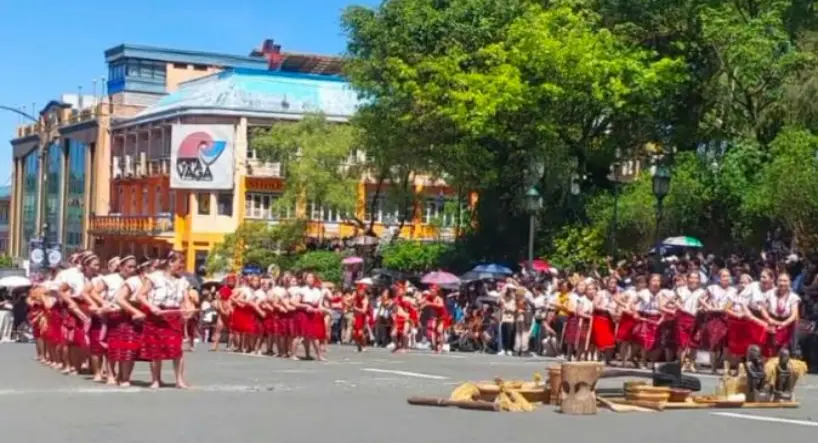
The grand parade began at Melvin Jones Grounds and continued toward the Maharlika Livelihood Center to Session Road.
Eight Communities, One Heritage
As the parade unfolded along Session Road, each contingent brought its own story to life through performances, traditional attire, and age-old customs. The presentations reflected both distinct identities and a shared Cordilleran heritage.
Abra showcased the Abrenian Kawayan Festival, celebrating bamboo as an enduring symbol of the province’s resourcefulness and cultural heritage. The presentation highlighted bamboo’s role in local livelihoods, craftsmanship, and everyday life, reflecting Abreños’ creativity and their close connection to the natural resources that sustain their communities.
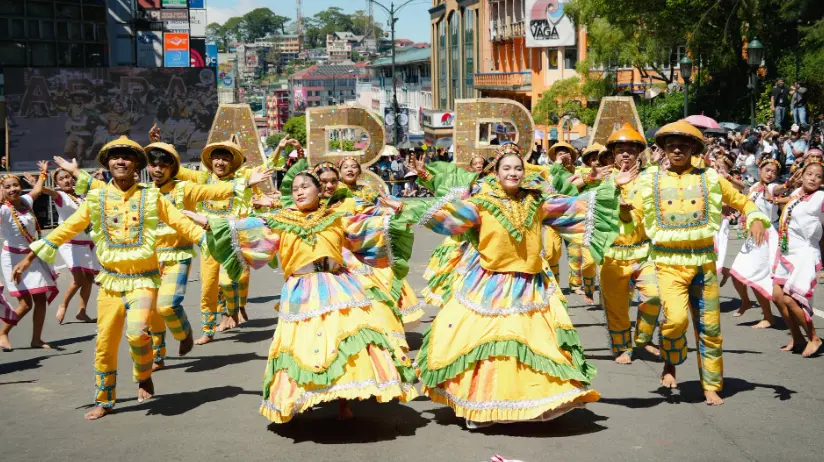
Abra showcases its Abrenian Kawayan Festival, celebrating bamboo, craftsmanship, and Abrenian cultural pride. Photo by Ariel Biala, PIO Baguio City.
Apayao presented the Say-am Festival, rooted in the traditions of the Isnag Indigenous Cultural Community. More than a commemoration of the province’s founding anniversary, it reflects a longstanding heritage of communal feasting, thanksgiving, and fellowship. Through its cultural presentations, Apayao continues to preserve and share the Isnag people’s rich identity and strong sense of community.
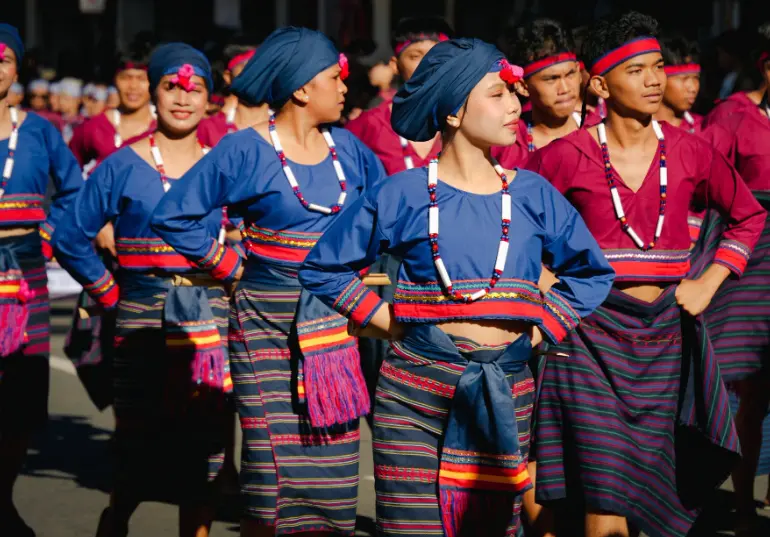
Apayao’s Say-am Festival performance highlights Isneg traditions, community unity, and cultural pride during the Cordillera Festival of Festivals. Photo by Audrey Villena – PIO Baguio City.
Benguet featured the Bendian of Kabayan, a traditional victory dance of the Ibaloi people that embodies unity, thanksgiving, and collective celebration. Through rhythmic movements, traditional music, and chants, the dance expresses gratitude and solidarity. The Bendian remains a living expression of Ibaloi heritage and community bonds.
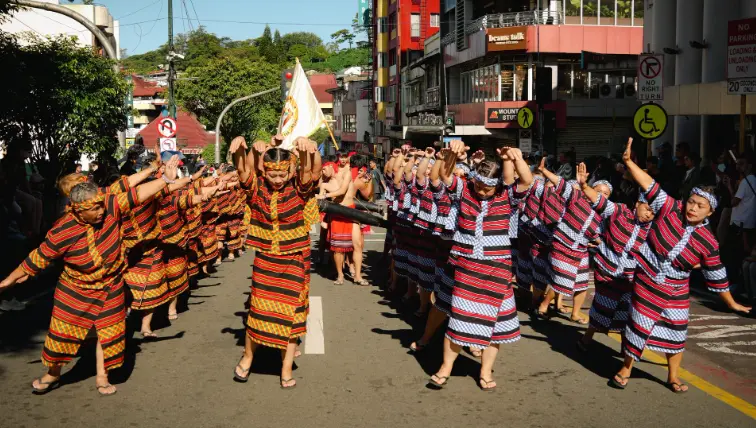
Through the rhythmic movements of the Bendian, Benguet brings the spirit of Kabayan to the streets of Baguio, celebrating Ibaloi heritage, gratitude, and collective strength. Photo by Ariel Biala – PIO Baguio City.
Ifugao presented the Gotad ad Ifugao Festival, an annual gathering that honors the province’s cultural heritage and shared identity. Rooted in the Gotad tradition, or communal feast, the celebration embodies thanksgiving, fellowship, and unity, offering audiences a glimpse of Ifugao customs that continue to shape its communities.
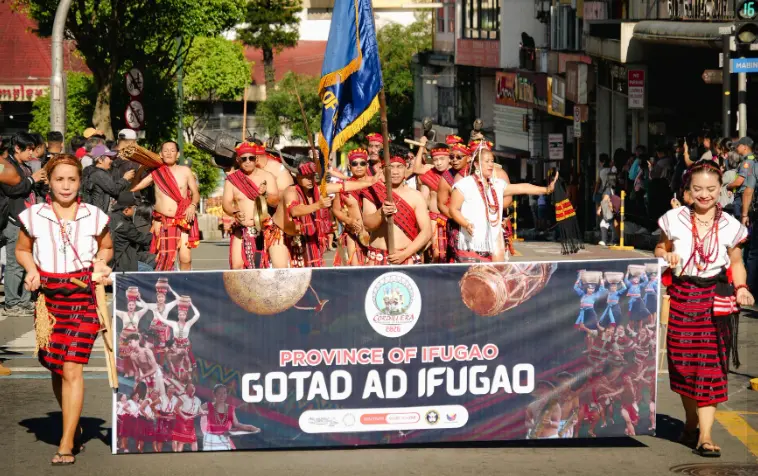
Ifugao’s contingent carries its banner during the 5th Cordillera Festival of Festivals parade in Baguio City, representing the Gotad ad Ifugao Festival and the province’s rich cultural heritage. Photo by Ariel Biala-PIO Baguio City.
Kalinga presented the Tachok-Salip Festival of Pasil, showcasing the province’s rich cultural heritage through traditional dances, gong music, chants, and indigenous attire, featuring the banga dance, whose graceful and coordinated movements expressed joy, unity, and the community’s enduring connection to the land. Through the steady rhythm of the gongs and the dancers’ movements, Kalinga shared living traditions that reflect cooperation, gratitude, resilience, and pride in Cordilleran identity.
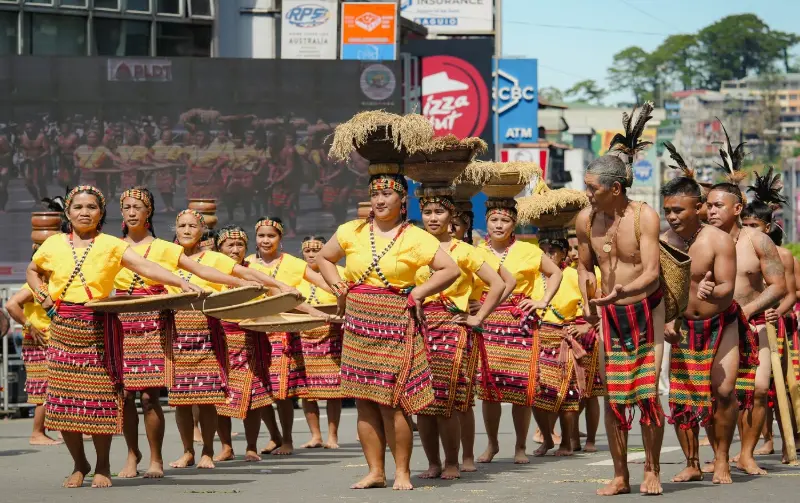
Kalinga’s Tachok-Salip Festival of Pasil features the banga dance, gong music, and coordinated movements that express joy, unity, and connection to the land. Photo by Audrey Villen- PIO Baguio City.
Mountain Province brought the Lang-ay Festival, showcasing Pasuk-ey, Central Bontoc’s customary summer thanksgiving festivity. Anchored in manerwap, an ancestral practice of invoking rain, Pasuk-ey reflects the community’s gratitude for nature’s bounty and its enduring relationship with the land and rice farming.
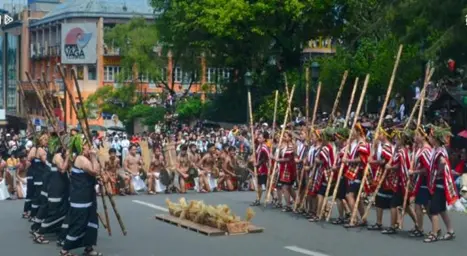
Mountain Province’s Pasuk-ey performance highlights Bontoc traditions, gratitude for nature’s blessings, and the enduring spirit of the Lang-ay Festival.
Baguio City brought the colors of Panagbenga, its celebrated Flower Festival, to the parade, telling a story of renewal and hope, reflecting the creativity, resilience, and unity of the Summer Capital of the Philippines.
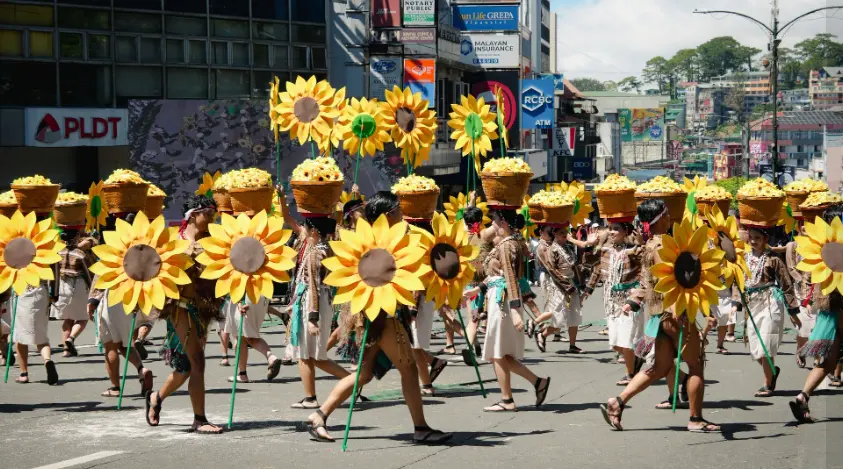
Baguio City’s Panagbenga-inspired presentation celebrates the city’s flowers, creativity, resilience, and community spirit. Photo by Ariel Biala PIO – Baguio City.
Tabuk City presented the Gabbok Festival, highlighting a sacred thanksgiving ritual performed in honor of a family’s firstborn child. Deeply rooted in Kalinga tradition, the ritual expresses gratitude for the gift of life while affirming the importance of family, community, and ancestral customs.
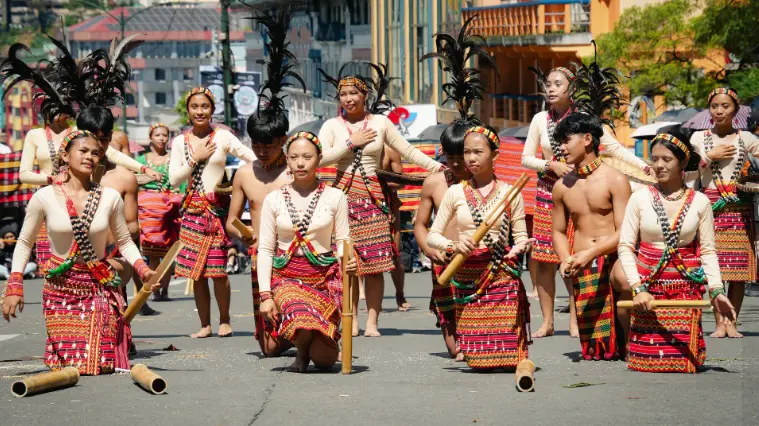
Tabuk City’s Gabbok Festival performance highlights Kalinga’s traditions of thanksgiving, family, and community. Photo by Ariel Biala – PIO Baguio City.
According to Department of Tourism–Cordillera Administrative Region Regional Director Jovita Ganongan, the Cordillera Festival of Festivals brings together the major celebrations of the region’s six provinces and two cities in one venue, highlighting their diverse traditions and shared Cordilleran identity. She emphasized that tourism should go beyond entertainment by helping visitors understand and respect local cultures while creating livelihood opportunities for communities without sacrificing their heritage and traditions.
Understanding the Rhythm of the Highlands
The theme, “Rhythm of the Highlands,” carries a meaning deeper than music and dance. Rhythm represents the heartbeat of Cordilleran communities, while highlands refers to the mountains, valleys, rivers, and ancestral lands where generations of families have lived.
The sounds of the gangsa, together with indigenous songs and dances, tell stories of history, belief, and daily life. These traditions express gratitude, respect for nature, cooperation, friendship, and unity. For Cordilleran peoples, music and dance are not merely entertainment; they celebrate important events, express beliefs, and remember the experiences of their ancestors.
The Festival revealed that the beauty of the Cordillera lies not only in its mountains and natural attractions, but also in its people, their kindness, strength, creativity, cultural knowledge, and deep connection to their roots.
Keeping Culture Alive
One important lesson is that culture should not be remembered only during special celebrations; it should remain part of everyday life.
In a rapidly changing world, technology, modernization, and globalization continue to influence how people communicate, work, and live. These changes bring opportunities, but they also make it more important to protect local languages, songs, dances, clothing, stories, and community practices.
Protecting culture is not the responsibility of elders, cultural leaders, and government agencies alone. Everyone has a role to play, especially the younger generation. Young people should be encouraged to learn their local languages, listen to the stories of their grandparents, understand traditional practices, and participate in cultural activities.
Communities can welcome progress while respecting the traditions of their ancestors. Development should not mean forgetting where one came from.
Education and Heritage Preservation
Festivals like the Cordillera Festival of Festivals offer learning opportunities beyond the classroom. For educators, they provide meaningful ways to connect students with their cultural roots while nurturing respect for the diverse traditions and identities of indigenous communities.
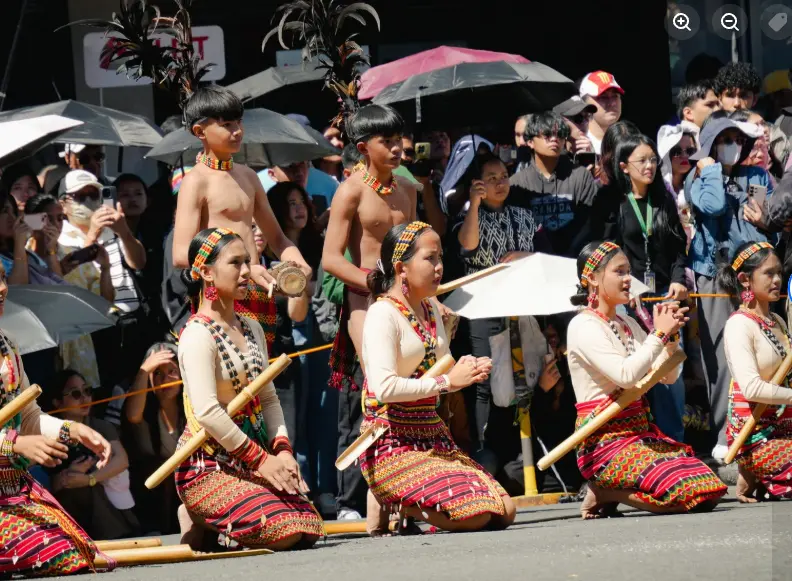
Festival goers experience Cordilleran culture beyond the classroom, gaining a deeper appreciation for indigenous traditions and community identity. Photo by Ariel Biala PIO- Baguio City.
Learning does not happen only through textbooks and classroom discussions. It also happens when students experience cultural performances, listen to elders, observe traditional practices, and engage with their communities. Through these encounters, learners gain a deeper appreciation of indigenous history, music, arts, dances, and customary practices, while developing values such as discipline, cooperation, cultural sensitivity, and respect for others.
Schools can help safeguard cultural heritage by integrating local history, indigenous knowledge systems, and traditional practices into meaningful learning experiences. Teachers may encourage students to interview elders, document oral histories, explore indigenous art forms, and join community celebrations. Such initiatives ensure that cultural knowledge is not merely remembered, but actively understood, respected, and transmitted.
This responsibility aligns with the United Nations Sustainable Development Goals. SDG 4, Quality Education, particularly Target 4.7, promotes education that fosters appreciation of cultural diversity and recognizes culture’s contribution to sustainable development. Likewise, SDG 11, Sustainable Cities and Communities, particularly Target 11.4, calls for strengthened efforts to protect and safeguard cultural and natural heritage.
Ultimately, education serves as a bridge between generations, connecting ancestral wisdom with the aspirations of today’s learners. By bringing cultural heritage into schools and communities, educators help cultivate a generation that values its roots while respecting the identities of others.
Different Cultures, One Cordillera
Perhaps the greatest message of the 5th Cordillera Festival of Festivals is that people can have different traditions and still live in unity. The six provinces and two cities of the Cordillera have their own languages, celebrations, and cultural practices, yet they share a common identity as Cordillerans.
The festival showed that cultural differences should not divide people. Instead, they should be respected and celebrated because they make every community unique. This message extends beyond the Cordillera: understanding and respecting differences helps build friendship, peace, and unity among communities everywhere.
The celebration also demonstrated how festivals can bring communities together, support local businesses, create livelihood opportunities, and introduce local culture to visitors.
A Heritage for Future Generations
The 5th Cordillera Festival of Festivals was more than a tourism event. It was a collective reminder of the importance of knowing our history, honoring our ancestors, and preserving the traditions that make our communities unique. We were reminded that cultural heritage extends beyond colorful costumes and lively celebrations. Every culture carries a story, every tradition holds meaning, and every generation shares the responsibility of protecting this legacy.
As educators and advocates of learning, we recognize the festival’s value in bringing communities together and strengthening our appreciation of Cordilleran identity. It represents our past, which shaped who we are; our present, which unites us in our diversity; and our future, which calls on us to pass our heritage on to the next generation.
We may speak different languages, uphold distinct traditions, and celebrate in different ways, but we share a common home in the Cordillera. Our cultures define our identities, our diversity strengthens our communities, and our unity inspires us to preserve what we have inherited.
By remembering our roots, respecting our traditions, and sharing our heritage with the world, we help ensure that the rhythm of the highlands will continue to resonate in the hearts of generations to come.
###################
About the Authors:
 Delfin G. Lasdacan. A Master Teacher II at Baguio City High School, specializing in Physical Education. A Doctor of Education in Educational Management (EdMgmt) student, a coach, sports officiating official, recreational leader, and fitness advocate committed to promoting physical fitness, sportsmanship, and an active lifestyle.

Jenefer A. Abul. An English teacher at Baguio City High School and a Doctor of Philosophy student in Administration and Supervision. As an adviser of the BCHS Debate Society, she works to empower learners through competitive debate and create opportunities for them to develop confidence, leadership, and a stronger voice.

Dixon B. Lid-ayan. A Senior High School Social Studies teacher at Baguio City High School, a Master of Arts in Education (MAEd) student, and a dedicated Sepak Takraw coach committed to promoting sports development, discipline, and a Mental Health advocate.