
Labour · Perspektive Online · · 3h
Turmoil in the German chemical industry: BASF wants to take over competitor Evonik
Deutsch (original) · Auto-translated to English
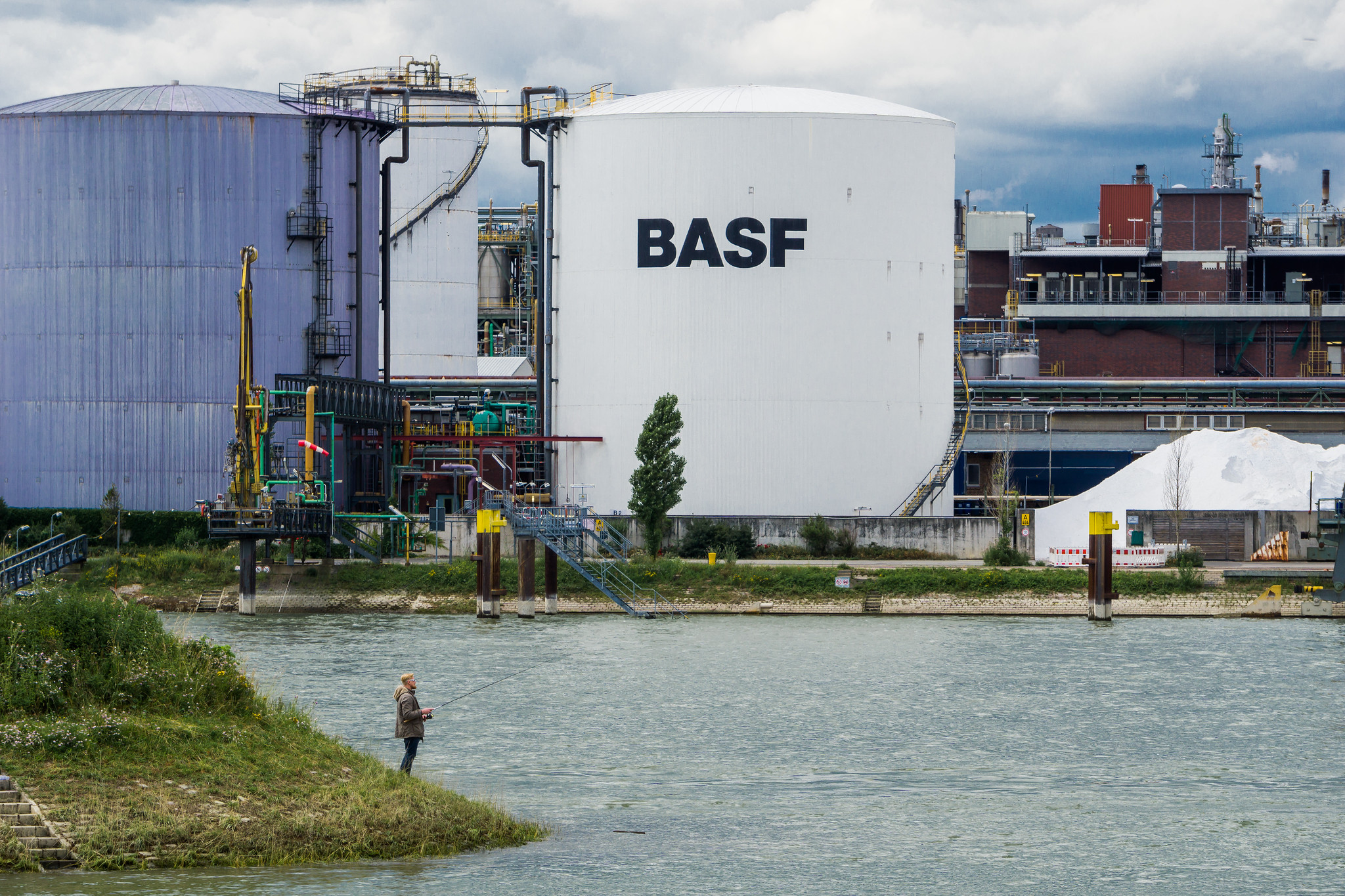
Germany's largest chemical company BASF wants to incorporate the Essen-based company Evonik. An initial takeover offer was unsuccessful, but the chemical giant is not letting go. At the same time, thousands of workers are worried about their jobs.
At the end of last week, the largest German chemical company BASF shook up the German chemical industry with a takeover offer. It's about the incorporation of the third largest chemical company Evonik.
The Evonik board has already rejected an initial takeover offer worth 10.3 billion euros: According to reports in the Financial Times, the board considers the offer “too low to justify formal negotiations.” BASF's offer, which amounts to 22.15 euros per share, is around 28 percent higher than the stock market listing before the first takeover speculation became known. Including debts, the Essen-based company would be valued by the Ludwigshafen-based chemical giant at around 14.2 billion euros.
Made for Germany: Merz promises further reforms at capital meetings
The specialty chemicals company Evonik does not take a public position. An Evonik spokesman did not want to comment on the takeover report in more detail and referred to onenoticefrom Friday last week. In it, Evonik confirms that it has received a so-called “non-binding approach” from BASF with regard to a potential takeover of Evonik. This is aimed at “a voluntary public takeover offer for all shares in the company”. At the same time, Evonik stated that there are currently no discussions taking place in this regard.
BASF with a clear goal
But even after the rejection, BASF continues to work on a takeover, reports the Handelsblatt. For the BASF board of directors headed by Markus Kamieth, the takeover is a “long-term and well-prepared project and not a quick fix,” according to a person “familiar with the plans,” according to Handelsblatt. The internal schedule calls for a transaction to be fully completed in 2028 at the earliest.
The takeover offer comes at a time when the German chemical industry is still coming to terms with the severe blows of recent years. In the years 2021 to 2025, the order volume fell by a fifth and recently reached a historic low with capacity utilization of 70 percent. In the last year aloneaccording to the Chemical Industry Association(VCI) 2,400 jobs cut. BASF has experienced a drop in sales of around a third to 57.9 billion euros within three years.
VW terminates collective agreements: austerity measures at the expense of the workers
The RAG Foundation plays an important role in the takeover, as it finances the legacy of hard coal mining, such as pumping water out of the tunnels. The state of North Rhine-Westphalia is represented on the foundation's board of trustees by Prime Minister Hendrik Wüst (CDU). With 43 percent of the shares in Evonik, the foundation is its largest shareholder. Although the foundation had announced that it would reduce its shares to 25.1 percent, it would still be able to block a merger. BASF would therefore have to get the RAG Foundation on board in the event of a takeover, as Evonik's dividend is a significant source of money for them.
Jobs at risk: unions are skeptical
Among the many parties involved in the merger is the state of North Rhine-Westphalia. “Every solution must be measured by whether it gives a future to the investments at the locations in North Rhine-Westphalia and the people who work there,” says Economics Minister Mona Neubaur.
The Mining, Chemical and Energy Industrial Union (IG BCE) is rather skeptical about the future of the “people who work there”. What may seem logical to shareholders and stock exchange traders does not necessarily make sense in view of the employees, the locations, the market and the domestic value creation, according to the chairman of IG BCE and also a member of the BASF supervisory board, Michael Vassiliadis. “For the employees and locations of BASF and Evonik, we need future perspectives and investment commitments,” he explains. “Both companies should be careful not to overtighten this screw.”
In fact, BASF is in a downsizing spiral: between 2024 and mid-2026, the company has already cut 7,000 jobs worldwide and further cuts have already been announced. As a result, fewer than 30,000 workers were employed at the headquarters in Ludwigshafen for the first time since 1954. The situation is similar at Essen-based competitor Evonik: It plans to lay off at least 3,000 workers by the end of 2029, 2,150 of them at German locations.
The takeover would only accelerate job cuts. Jochen Ott, chairman of the SPD parliamentary group in the North Rhine-Westphalia state parliament, also sees it this way: "With a takeover, jobs, locations and value chains are at stake. There cannot be such a sell-off of the Ruhr area."
While the jobs of thousands of people are at risk, the Evonik share price has been booming since the takeover interest was announced. This jumped by 3 percent to 20.62 euros. Evonik's specialty chemicals would significantly expand BASF's product range and thereby dominate potential competitors even more.
The postTurmoil in the German chemical industry: BASF wants to take over competitor Evonikappeared firstperspective.
Read the full story at the source
Source: Perspektive Online