
Germany · Perspektive Online · · 3h
Crisis in medium-sized businesses: More and more companies are moving their production abroad
Deutsch (original) · Auto-translated to English
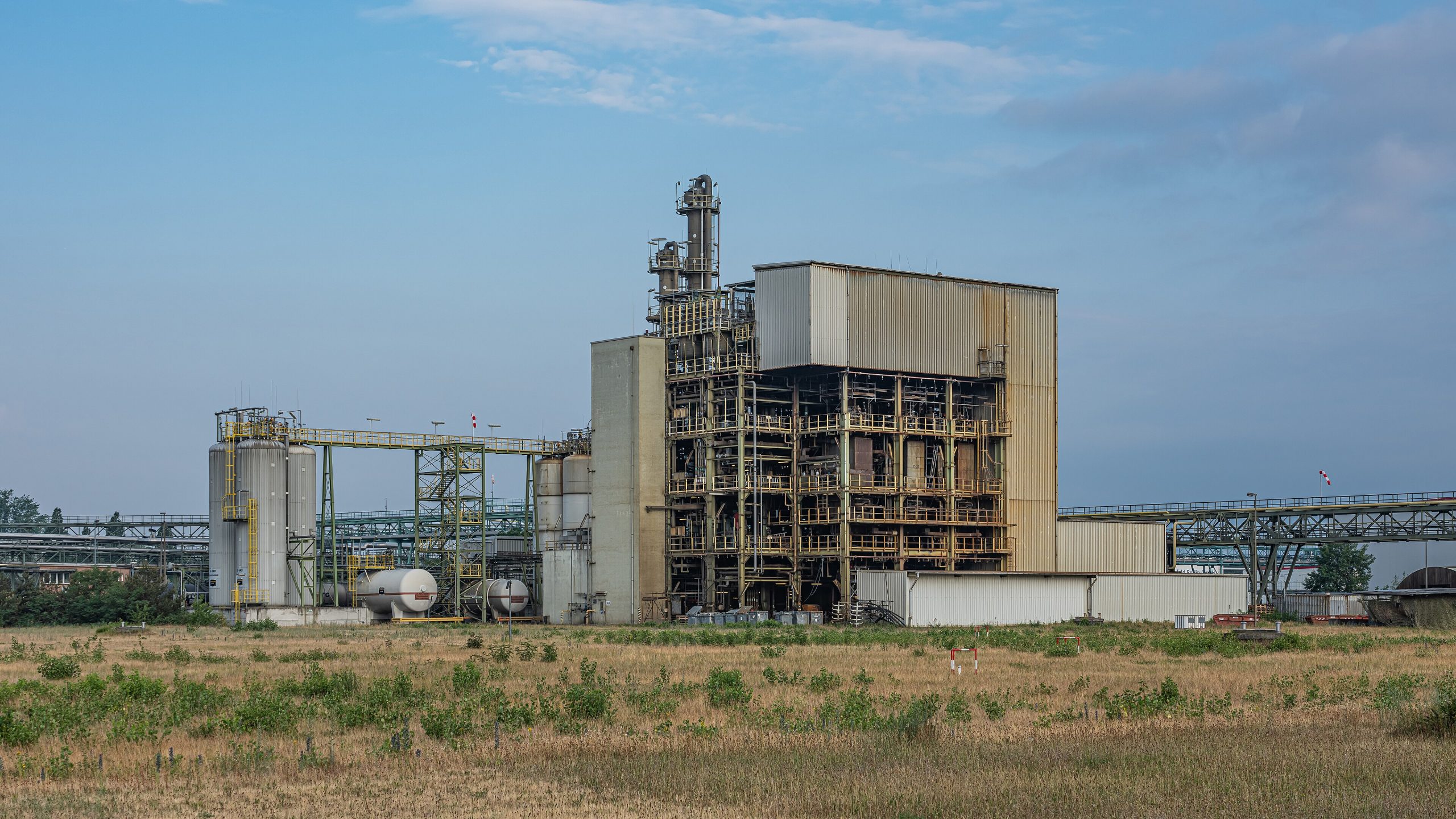
More and more German “medium-sized” companies are considering outsourcing their production abroad. Due to the economic crisis, industrial downsizing and competition between companies are increasing. – A comment from Dalia Ali.
The state development bankKfW(Credit Institution for Reconstruction) is one of the leading development banks in the world. On behalf of the federal and state governments, it releases financial resources for “economic, social and ecological transformation processes”. Investments amounting to 112.8 billion euros were made in 2024. In addition, KfW publishes a so-called “Internationalization report“ about the international activities of the German “middle class”, i.e. small and medium-sized industrial companies.
From 1700interviewedEight percent of industrial companies active abroad, including 600 with foreign business, stated that they had postponed their production at least partially within the last five years. Another 29 percent are planning to expand production abroad in the next five years. KfW chief economistDirk Schuhmacherjustifies the trend with the growing competitive pressure from China, the US customs policy and that “the location has lost its attractiveness”.
DIHK Day: Merz promises industrial companies redistribution from bottom to top
Chemistry and mechanical engineering are particularly affected
For example, Levaco Chemicals, a company that produces specialty and process chemicals in the Leverkusen Chemical Park, is forced to outsource production from Europe. Managing director Marius Mühlenberg complains about rising energy costs, scarce raw material markets and growing bureaucratic effort.
Heemphasized: “The actual problem is of a systemic nature: lack of planning security, excessive bureaucracy, lengthy approval procedures and infrastructural challenges.” A medium-sized company apparently cannot keep up with these challenges. At least not with large corporations, says Mühlenberg.
Many German mechanical engineers are also currently relocating their research abroad. OneOpinion pollof the Association of German Mechanical and Plant Engineering (Vdma) showed that 43 percent of the 400 member companies already organize their research and development outside of Germany. More than two thirds of those who are already conducting research abroad want to further expand their activities there.
International company locations such as China, India and the United States of America are the main contact points. One factor that plays a role is the planned cut in Industrial Community Research (IGF) in the 2027 federal budget. The IGF connects research institutes with companies in the respective industries.
Company bankruptcies at record high
But for many companies, moving production abroad is not enough to combat the crisis. According to the Federal Statistical Office, 12,812 German companies reported in the first half of the year aloneinsolvencyto. This means that the number of annual company bankruptcies has reached a high not seen since 2013. At that time, shortly after the economic crisis in 2011, 13,253 companies were insolvent in one year.
The German economy is currently in crisis again. Since 2022, the German economy has seen little to no growth. Therefore, the increasing number of company bankruptcies and an outflow of production from Germany does not primarily indicate the failure of individual companies, but rather the development of crises in capitalist imperialism.
Only half a percent growth – the federal government is also reducing the growth forecast
Monopolies win in competition
Companies and their spokespeople often cite excessive bureaucracy, long approval times or a lack of political action as the reasons for their crises. In reality, however, medium-sized companies are being crushed in competition with large corporations and emerging foreign competition.
Large corporations such as BASF or Siemens have enough resources to bridge the economic crises. These means include successful lobbying in politics for targeted subsidies, shifting production or opening up sales markets in other countries. Due to the globalization of monopoly companies and their worldwide sphere of influence, they are not dependent on a national economy, but are anchored on the world market in competition with other monopolies.
Locally based industrial companies do not have this level of influence and security. They are more affected by economic fluctuations at home, such as rising energy costs as a result of the war in Ukraine. In competition with the industrial monopolies they will always lose and will either be absorbed or destroyed. This trend is confirmed by the record number of insolvency applications and simultaneous billions in profits for large companies.
The postCrisis in medium-sized businesses: More and more companies are moving their production abroadappeared firstperspective.
Read the full story at the source
Source: Perspektive Online